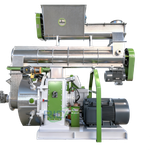
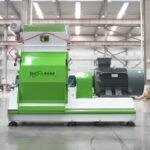

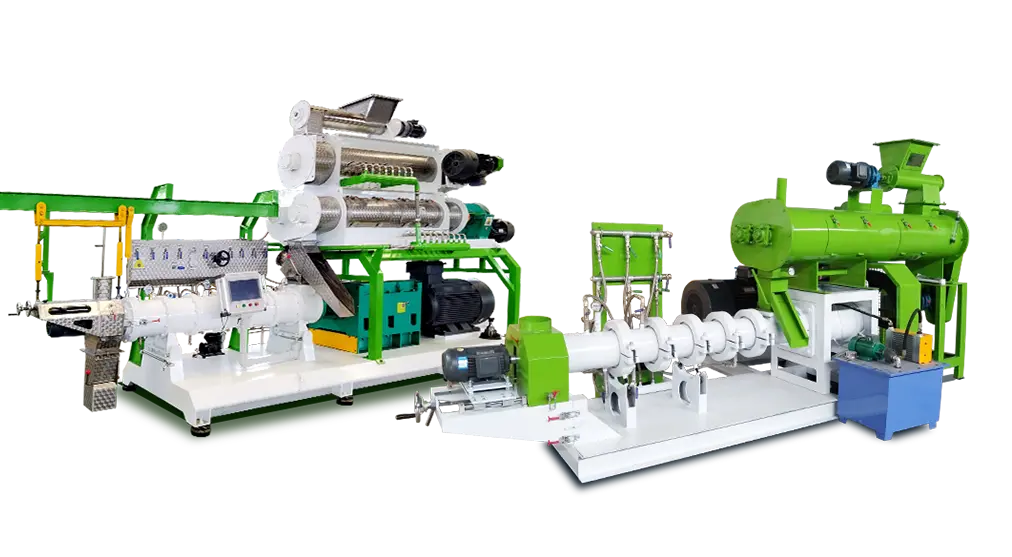
The aquaculture industry continues to embrace efficient feed processing solutions, and the floating fish feed extruder machine has become essential equipment for converting grains and proteins into nutritious, buoyant pellets. Modern fish farms rely on these machines to process materials like fishmeal, soybean meal, corn, and wheat into high-quality floating pellets that improve feed conversion ratios and reduce waste. The 1-60T/H floating fish feed production line stands at the heart of this process, transforming raw ingredients into valuable aquafeed for tilapia, catfish, seabass, and other farmed species.
Understanding Floating Fish Feed Extruder Machine Technology
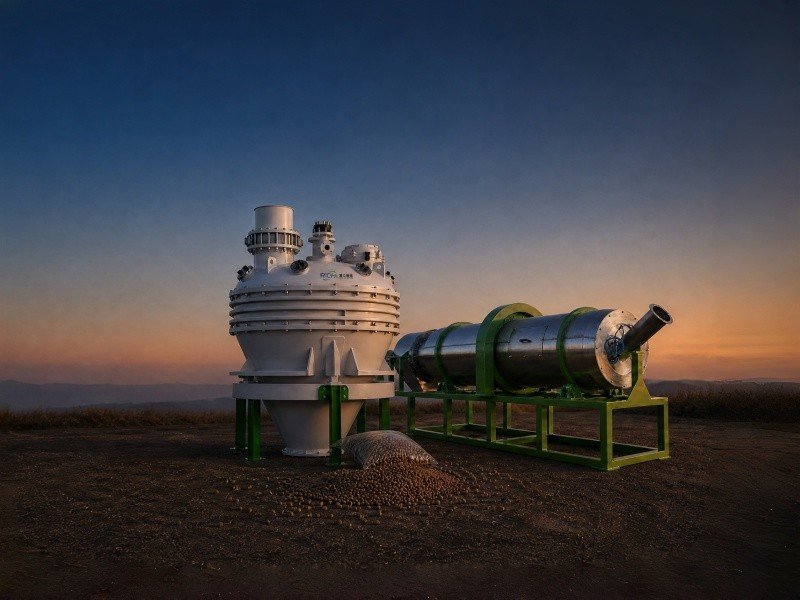
A floating fish feed extruder machine is specialized equipment designed to produce buoyant feed pellets through high-temperature, high-pressure extrusion. Unlike standard pellet mills that compress feed, the pellet machine uses a combination of heat, pressure, and mechanical shear to gelatinize starches and expand the feed matrix . This expansion process creates a porous structure that allows pellets to float on water for extended periods, typically exceeding 12 hours .
The extruder operates by forcing prepared material through a die under controlled conditions. As the material passes through the barrel, the screw design and preconditioning system ensure thorough mixing, cooking, and expansion . The result is pellets with uniform size, smooth surface, and consistent buoyancy that match the feeding behavior of surface-feeding fish species .
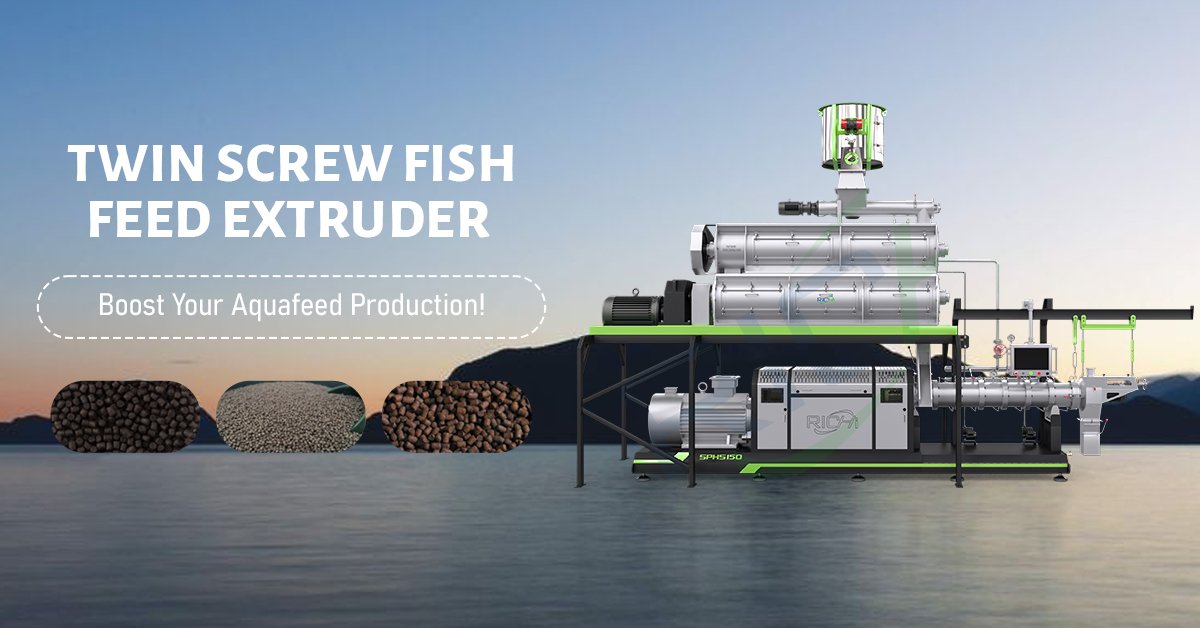
Two main extruder configurations dominate the market: single-screw and twin-screw designs. Twin-screw extruders offer greater flexibility and are generally preferred for commercial production of high-quality floating aquafeed . The twin-screw design handles a wider range of raw materials, provides better mixing and residence time control, and produces more consistent pellet quality .
For more detailed information on floating fish feed extruder machine options, you can important site for comprehensive resources.
1-60T/H Floating Fish Feed Production Line Models and Specifications
When evaluating 1-60T/H floating fish feed production line options, capacity and configuration are key considerations. The SPHS series twin-screw extruders from RICHI Machinery offer multiple models to suit different production needs . The SPHS150x2 model delivers 5.0-6.0 tons per hour with a 200 kW main motor, featuring a 150 mm screw diameter, robust dual-screw design capable of handling a wide range of raw materials common in aquafeed production .
For smaller operations, models like the DGP-160B produce 0.8-1.0 tons per hour with a 90 kW motor . Mid-range models from manufacturers like Dingrun include the DSE95 producing 1.5-2.0 tons per hour with a 90 kW motor, and the DSE120 achieving 3.0-3.5 tons per hour with a 132 kW motor . Larger industrial units can achieve 5-6 tons per hour with 200-250 kW motor power .
For more detailed information on 1-60T/H floating fish feed production line options, you can important site for comprehensive resources from Richi manufacture.
Complete Production Line Integration
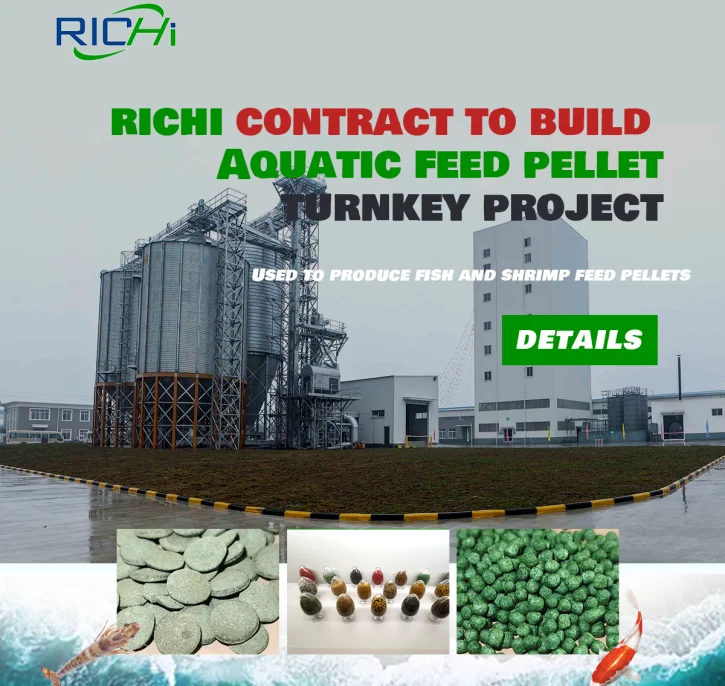
A comprehensive pellet machine solution integrates multiple stages beyond the extruder. The complete production line includes grinding systems for reducing particle size to 60-200 mesh for aquatic feed , mixing systems for blending ingredients such as fishmeal, soybean meal, and grains, the extruder for gelatinization and expansion, drying systems for moisture control, oil coating units for energy supplementation, and cooling and packing sections for final product handling .
The production process follows a structured sequence: raw materials are ground to proper particle size, then mixed according to nutritional formulations. The conditioned material is fed into the extruder where it is gelatinized and expanded into uniform pellets. Freshly formed pellets are dried to reduce moisture, coated with oil, cooled to stabilize, and packaged for storage and distribution .
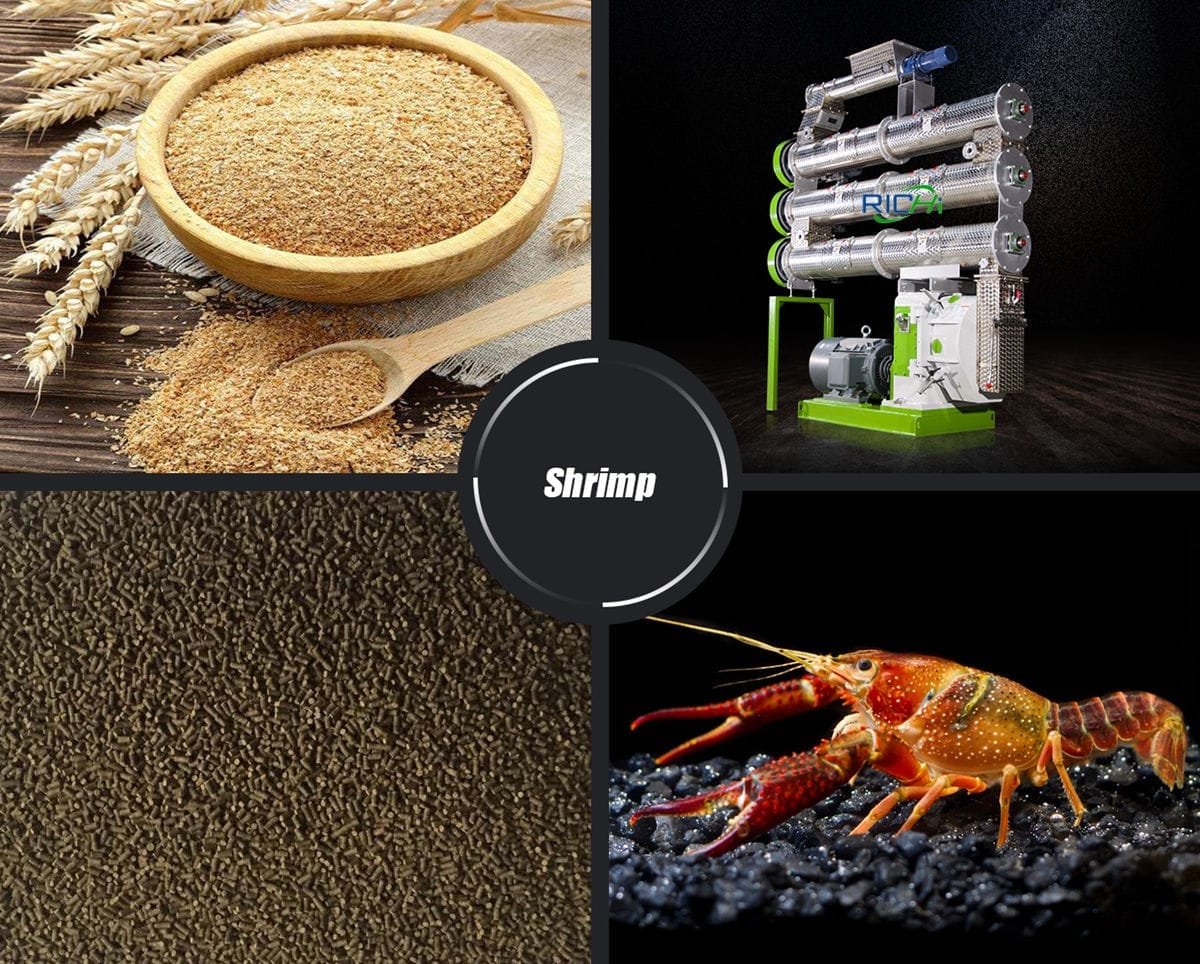
A typical fish feed formulation includes approximately 40% fishmeal, 25% soybean meal, 25% cereal grains (corn and wheat), and 10% vitamins and additives . The final pellet diameter can range from 0.6mm to 12mm to suit various fish species at different growth stages, with floating pellets for surface-feeding species like tilapia and catfish, and sinking pellets for bottom-feeders .
Quality Considerations and Best Practices
Achieving consistent floating pellet quality requires careful attention to several parameters. Raw material particle size must be reduced to 60-200 mesh for optimal extrusion . Moisture content and temperature control during extrusion directly impact pellet expansion and buoyancy. Freshly formed pellets require proper drying to stabilize and maintain quality during storage.
The forced lubrication and cooling system protects gears, axles, and bearings, extending service life . The screw adopts Alloy 38CrMoAL, processed with special nitriding treatment for excellent hardness and strength performance, capable of bearing high temperature and high pressure . Automated control systems enable consistent production quality while minimizing labor requirements.
Summary
Investing in a floating fish feed extruder machine and 1-60T/H floating fish feed production line offers a strategic opportunity to convert grains and proteins into valuable aquafeed. The combination of advanced pellet machine technology with integrated processing systems delivers consistent quality and operational efficiency. For detailed specifications and equipment options, you can important site for comprehensive manufacturing solutions tailored to your specific capacity requirements and raw material sources.
view details: https://www.richimanufacture.com/floating-fish-feed-extruder-machine/