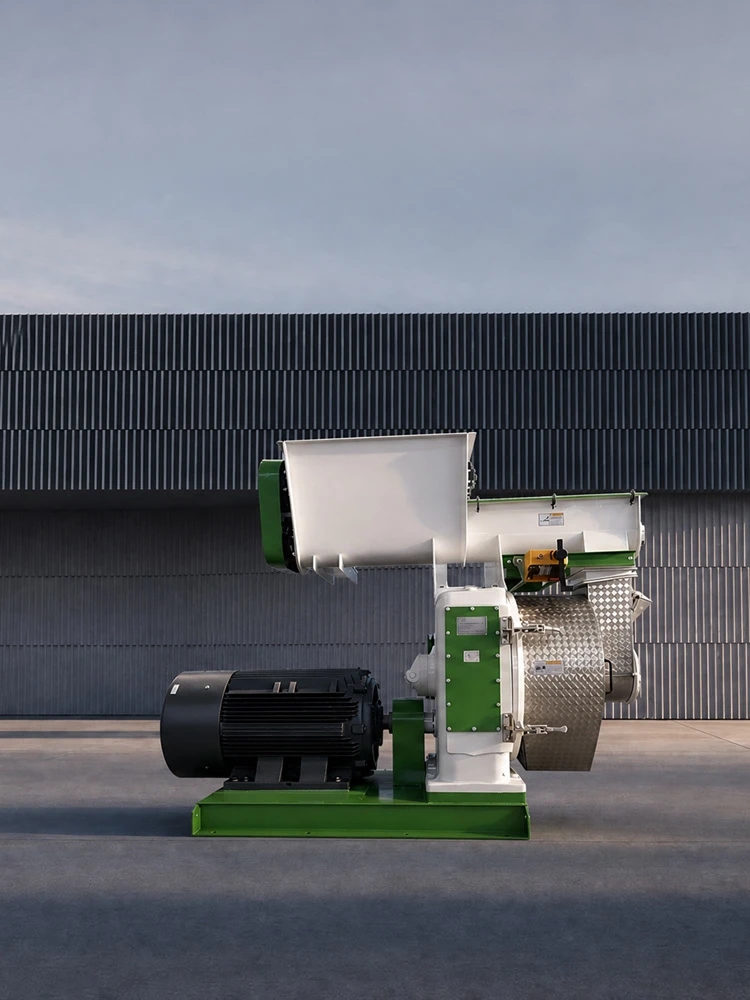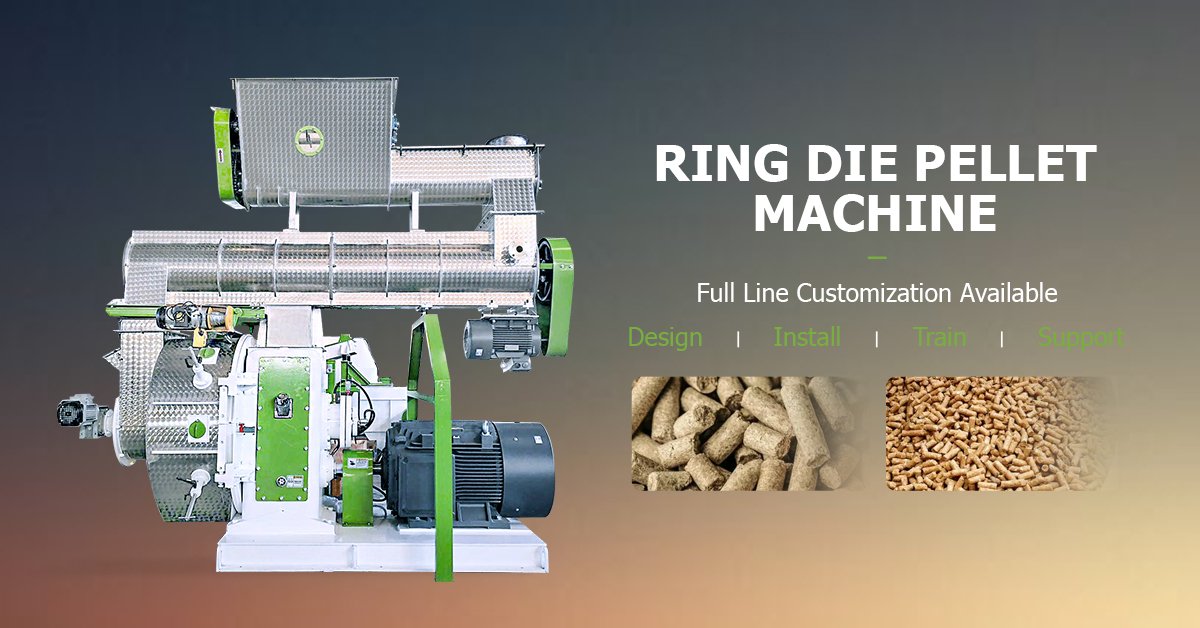
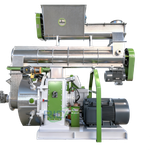





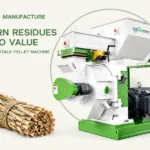
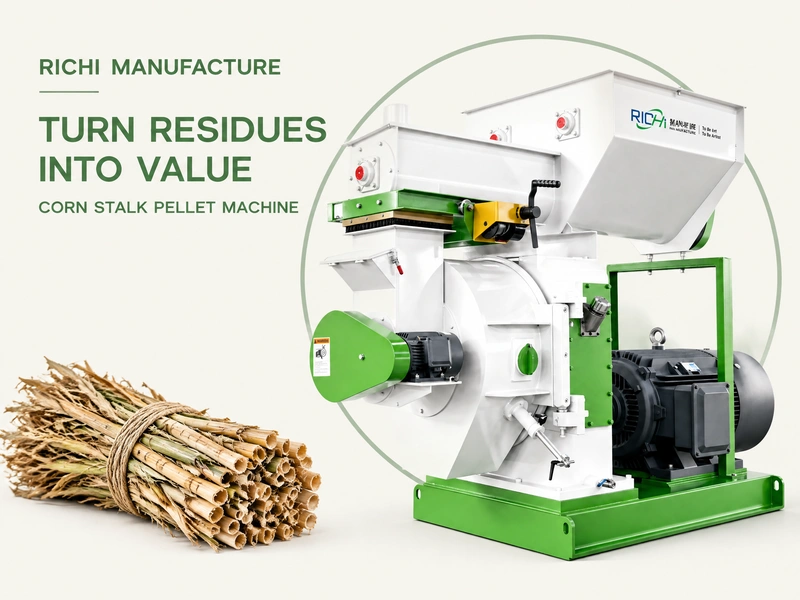
Industrial biomass production requires a different approach from small farm-level processing. At higher capacities, material supply, storage, conveying, drying, power consumption, maintenance, and finished-product logistics become closely connected. A reliable corn stalk pellet machine is therefore only one part of an industrial production strategy.
For investors evaluating an industrial straw pellet machine, the first priority should be creating a process that can operate consistently at the intended scale.
Capacity Must Match Supply
Industrial equipment can process large quantities of material, but the factory must have enough feedstock to keep the system supplied.
Corn stalk collection can be seasonal, so annual availability is more important than a single harvest estimate. The investor should understand how much usable material can realistically be collected after accounting for agricultural practices, competing uses, moisture, and transportation.
Storage may be required to maintain production between harvest periods.
Material Logistics Become Critical
At industrial scale, transportation can become a major operating expense. Loose stalks occupy substantial volume, meaning trucks may reach their volume limit before reaching their weight limit.
Locating the facility near major agricultural areas can therefore provide a significant logistical advantage.
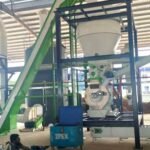
The receiving area should also be designed to handle irregular incoming material. Good material flow from storage to crushing, drying, and pelletizing can reduce bottlenecks.
Designing the Processing Route
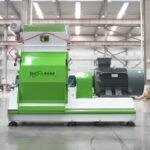
An industrial system commonly begins with raw material receiving and preparation. Size reduction creates a more uniform feedstock for subsequent processing.
If moisture is too high, drying becomes an important stage. After moisture adjustment, the prepared biomass is fed into the pellet mill.
The pressing stage compresses the fibers into dense pellets. Fresh pellets are hot after formation and generally require cooling before long-term storage. Screening and packaging can then prepare the product for shipment.
Readers looking for related technical material can find here additional information about biomass processing concepts, but the final configuration should always be customized to actual project conditions.
Why Stable Feeding Matters
At high capacity, small feeding problems can become major production losses. The pellet mill needs a steady supply of appropriately prepared material.
A forced feeding system can help maintain continuous material delivery. A well-designed conveying system also reduces interruptions between upstream preparation and pelletizing.
The control system should allow operators to monitor critical operating conditions and respond to changes in raw material characteristics.
Industrial Wear and Maintenance
Agricultural fibers can be abrasive, and industrial machines may operate for long periods. Dies, rollers, bearings, and transmission components therefore require planned maintenance.
The goal should not be to eliminate maintenance completely. Instead, the plant should make maintenance predictable and manageable.
Wear parts should be easy to inspect and replace. Spare parts should also be planned in advance, especially for facilities located far from the equipment supplier.
Integrating the Pellet Maker
The pellet maker determines the quality and consistency of the compressed product, but industrial efficiency depends on the relationship between all stages.
If the dryer cannot provide sufficient prepared material, the pellet mill will be underfed. If cooling is insufficient, finished pellets may not be ready for storage. If packaging cannot match production, finished product can accumulate and interrupt the process.
This is why industrial pellet production should be engineered as a complete material-flow system.
Energy and Product Economics
Large plants should pay close attention to energy consumption because motors, dryers, conveyors, fans, and other equipment can contribute significantly to operating costs.
The final product also needs a market capable of absorbing the planned output. Industrial capacity is only valuable when the pellets can be sold or consumed consistently.
The business model should therefore connect raw material supply, production capacity, energy costs, logistics, and customer demand.
Building for Long-Term Operation
A well-planned industrial biomass facility should be designed for reliable operation rather than maximum output on paper.
Stable material preparation, dependable pelletizing, manageable maintenance, and efficient product handling can provide a stronger foundation for long-term performance.
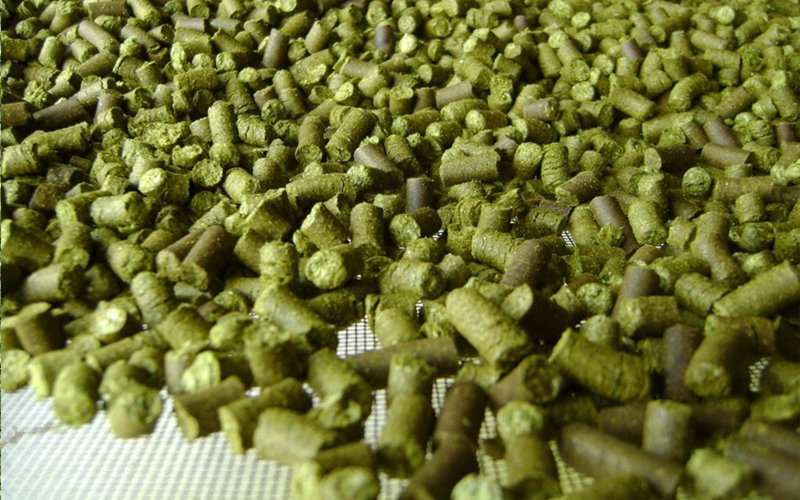
For investors with substantial agricultural residue resources, industrial corn stalk pellet production can transform a seasonal byproduct into a standardized biomass commodity while supporting more efficient resource utilization.
view details: https://www.richimanufacture.com/corn-stalk-pellet-machine/