




A biomass pellet plant should manage seasonal raw material variation as a supply-chain and process-control problem, not as a single pellet-mill adjustment. Moisture, particle geometry, ash, bark, soil contamination, bulk density, and storage age can all move during the year. Those changes affect receiving, drying, grinding, feeding, pelletizing, cooling, screening, storage, energy demand, and finished-pellet consistency.
The practical answer is to define an operating envelope for each material family, preserve enough storage and blending flexibility, measure critical properties before the material reaches the bottleneck, and maintain alternative process routes or settings for predictable seasonal conditions. A plant designed around one average laboratory sample will struggle when the real supply moves outside that average.
Build A Seasonal Raw Material Ledger
Start with twelve months of expected supply rather than a generic list of feedstocks. For each source, record delivery months, daily availability, storage method, typical and adverse moisture, particle form, contamination risk, bulk density, and commercial constraints. Separate measured data from supplier statements and engineering estimates. Where history is limited, define a sampling program during procurement so uncertainty becomes visible before equipment capacity is fixed.
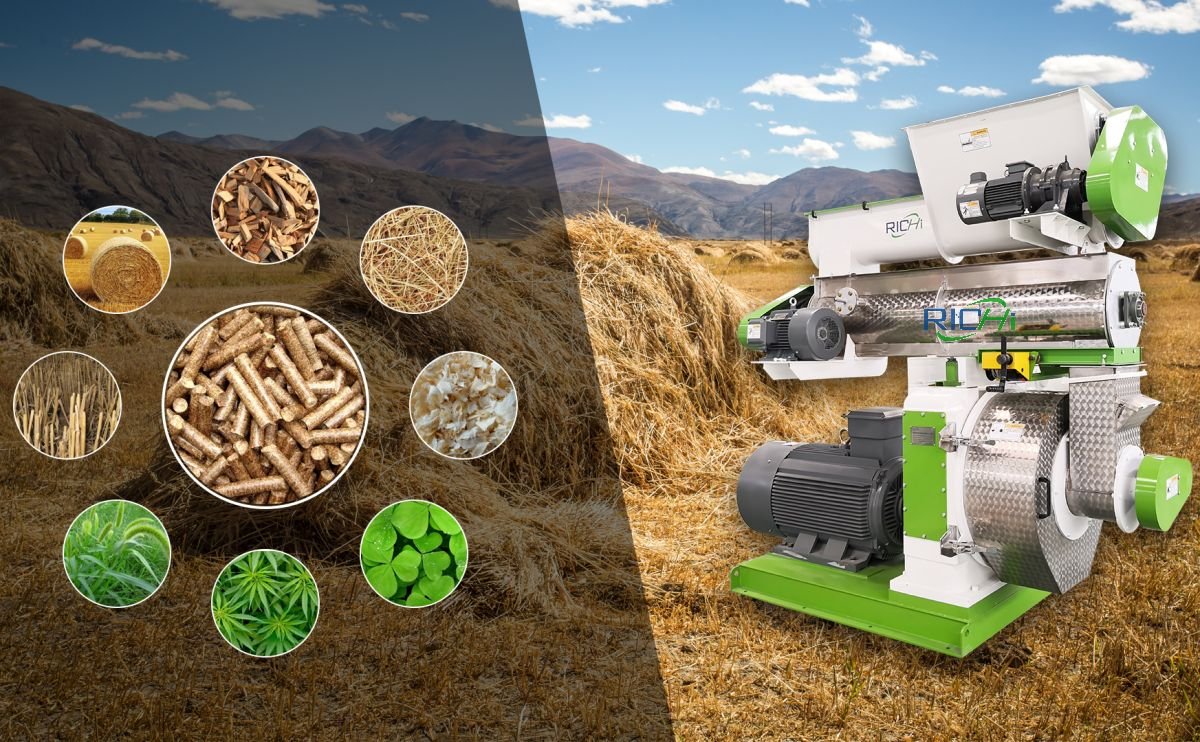
The ledger should show which properties change together. Rainy-season material may arrive wetter and carry more soil; dry-season residue may be brittle, dusty, and difficult to store safely. Fresh agricultural residues can behave differently after months in a pile. Forestry by-products from different mills may have similar names but different bark fractions or particle shapes. These combinations matter more than one isolated average value.
Define Acceptance Bands At Receiving
A receiving specification should state how a load is identified, sampled, tested, accepted, downgraded, segregated, or rejected. Moisture is important, but it is not the only gate. Oversize pieces, stones, metal, sand, treated wood, and excessive fines can create equipment damage, ash problems, or safety risks. The sampling method must account for variation within a truck or pile; a convenient surface sample may not represent the load.
Rapid measurements support operational decisions, while periodic laboratory checks verify the rapid method. The plant should maintain calibration samples, instrument checks, and clear responsibility for release. If a material falls outside the normal band but remains usable, it needs a controlled route and revised production plan. Accepting every load and asking the pellet mill to compensate is not a robust strategy.
Use Segregation And Blending Deliberately
Storage creates a buffer between irregular supply and continuous production. Separate materials when their moisture, ash risk, species, or source history requires different treatment. Segregation increases the number of piles or bins and complicates inventory management, but uncontrolled mixing can erase traceability and make process settings unstable. The number of storage zones should follow the material families that actually drive different process decisions.
Blending can smooth variation when ingredients are compatible and the blend can be measured. For example, a wetter lot may be combined with a drier lot to reduce dryer load, but the mass balance must consider actual moisture and dry matter. Blending should not be used to conceal contamination or avoid a rejection rule. Operators need target ratios, loading instructions, verification samples, and a method to prevent segregation during reclaim.
Protect Stored Biomass From Further Variation
Storage can improve supply continuity while introducing biological heating, mold, moisture migration, dry-matter loss, fire risk, and contamination. The design should consider pile geometry, floor drainage, roof coverage, ventilation, stock rotation, access for temperature inspection, and separation from ignition sources. Wet material should not remain in an uncontrolled pile simply because the dryer will operate later.
Inventory policy must balance resilience against degradation. A large buffer protects the plant from seasonal shortages, but long residence time can reduce material quality and tie up working capital. Define maximum storage periods by material and condition, use first-in-first-out where practical, and inspect older stock before release. The production plan should consume at-risk inventory without forcing unsafe handling or off-specification pellets.
Size Preparation Equipment For The Difficult Season
Chippers, shredders, hammer mills, screens, magnets, and separation devices must handle the physical form expected at the plant. Capacity stated for clean, dry sawdust may not apply to fibrous straw, bark-rich chips, or wet agricultural residue. Ask for the test basis behind performance claims. The preparation train should produce a controlled particle distribution without excessive fines or repeated recirculation.
Seasonal material may also change wear. Soil and mineral contamination can accelerate hammer, screen, die, and roller wear. Fibrous material can wrap around shafts or bridge in hoppers. The layout should support inspection, removal of foreign material, screen changes, and safe access to blockages. Maintenance planning should use processed tonnage and material abrasiveness, not calendar time alone.
Treat Drying As A Variable Load System
Dryer duty depends on incoming moisture, target moisture, dry-matter flow, ambient conditions, and heat-source performance. A seasonal design should calculate more than one operating point. The wettest credible material may define thermal duty, while the driest material may define turndown and fire-control requirements. If the dryer cannot operate stably at low load, bypass or blending arrangements may be needed for naturally dry feedstock.
Control should coordinate feed rate, temperature, residence time, airflow, and outlet moisture. A single temperature reading cannot represent all operating conditions. Sampling and moisture measurement after the dryer should be located where they can guide a timely correction. Overdrying wastes energy, increases dust, and can make pelleting difficult; underdrying can reduce pellet stability, limit throughput, and create storage problems.
Decouple Process Stages With Sensible Buffering
Small buffers can prevent every fluctuation in receiving, grinding, or drying from reaching the pellet mill immediately. They also allow upstream and downstream equipment to stop in a controlled sequence. However, large bins can encourage bridging, moisture segregation, or hidden residence time. Buffer volume, hopper geometry, live-bottom design, level measurement, and reclaim method should be matched to the worst-flowing material.
Mass-flow continuity matters more than the number of bins. A buffer that cannot discharge uniformly becomes a source of variation. During commissioning, test high-moisture, low-density, and fibrous materials rather than only the easiest feedstock. Confirm that level sensors, feeders, and interlocks behave correctly during partial filling, restart, and emergency stop.
Establish Recipe Windows For Pelletizing
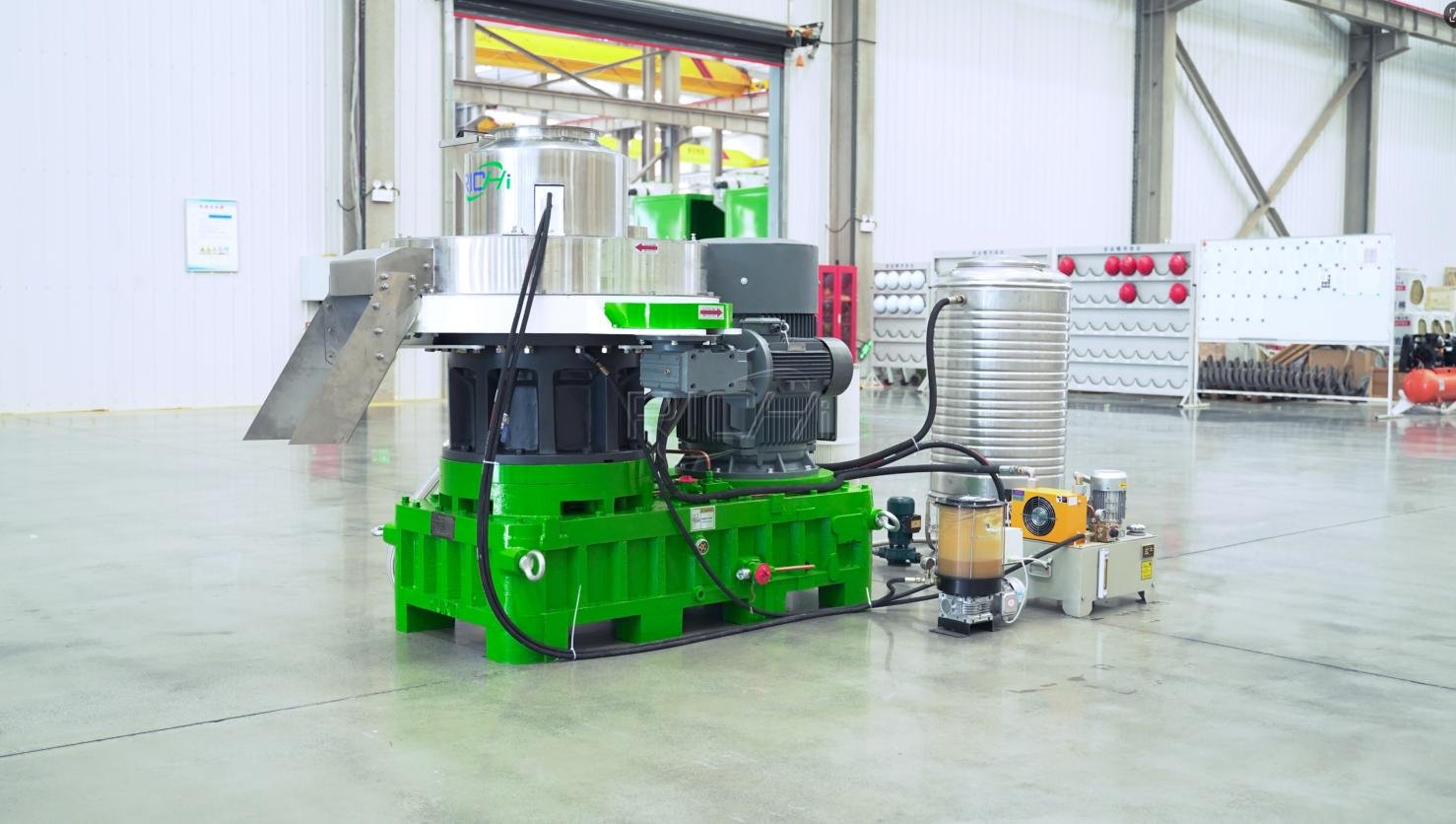
Each material family should have a controlled starting window for particle size, moisture, feeder speed, conditioning or water addition, die selection, roll setting, and motor load. These settings should be refined with operating evidence, not treated as permanent constants. A blend change can alter friction, compression behavior, temperature, throughput, fines, and durability even when the average moisture appears unchanged.
The operator needs clear limits and a defined response. Increasing moisture may improve binding for one material but cause blockage or weak pellets for another. A higher compression ratio can improve density but raise energy use and wear. Reducing feed rate may stabilize quality but affect the daily plan. Document these trade-offs so the shift team does not chase one quality measure while creating a different failure.
Verify Cooling, Screening, And Storage Under Each Condition
Seasonal ambient temperature and humidity influence cooling. Product leaving the cooler should be stable for screening, handling, and storage, but the acceptable condition must be defined for the local climate and product. Excessive cooling airflow can increase breakage or energy use, while insufficient cooling can allow condensation and caking later. Air distribution and bed depth need to remain stable as pellet flow changes.
Screen returns are a useful diagnostic. A rising fines rate may indicate raw material change, die condition, unstable feeding, poor cooling, or rough conveying. Recycle can recover material, but unlimited recycle masks a process problem and increases load. Track first-pass yield and define how recycled fines are identified and reintroduced without upsetting moisture or residence time.
Plan Utilities And Energy Around Seasonal Peaks
The most demanding season may require more dryer heat, grinding power, dust collection, mobile handling, and operating hours. Utility sizing should consider coincident loads and start-up sequences. A plant that has enough installed motor power can still suffer from voltage drop, inadequate transformer capacity, compressed-air instability, or a heat source that cannot follow rapid load changes.
Track energy by process stage and dry tonne rather than only total monthly consumption. This separates the effect of incoming moisture from mechanical inefficiency. When energy rises, compare material condition, production rate, recycle, wear, and downtime before changing equipment. Seasonal baselines make abnormal performance easier to identify.
Create A Seasonal Risk Register And Production Plan
The risk register should connect each predictable seasonal event to an owner, trigger, response, and recovery plan. Examples include late harvest, prolonged rain, frozen material, high soil contamination, dryer fuel interruption, pile heating, and an abrupt supplier change. The production plan should show minimum inventory, alternative materials, reduced-rate modes, maintenance windows, and product-priority rules.
A plan is credible only if the alternatives have been tested. An emergency feedstock may require different screens, drying duty, die settings, or emissions controls. Verify these constraints before the primary supply fails. Commercial teams should understand which customer specifications can be maintained under each mode so production is not pressured into releasing unsuitable pellets.
Use A Complete-Line Review During Procurement
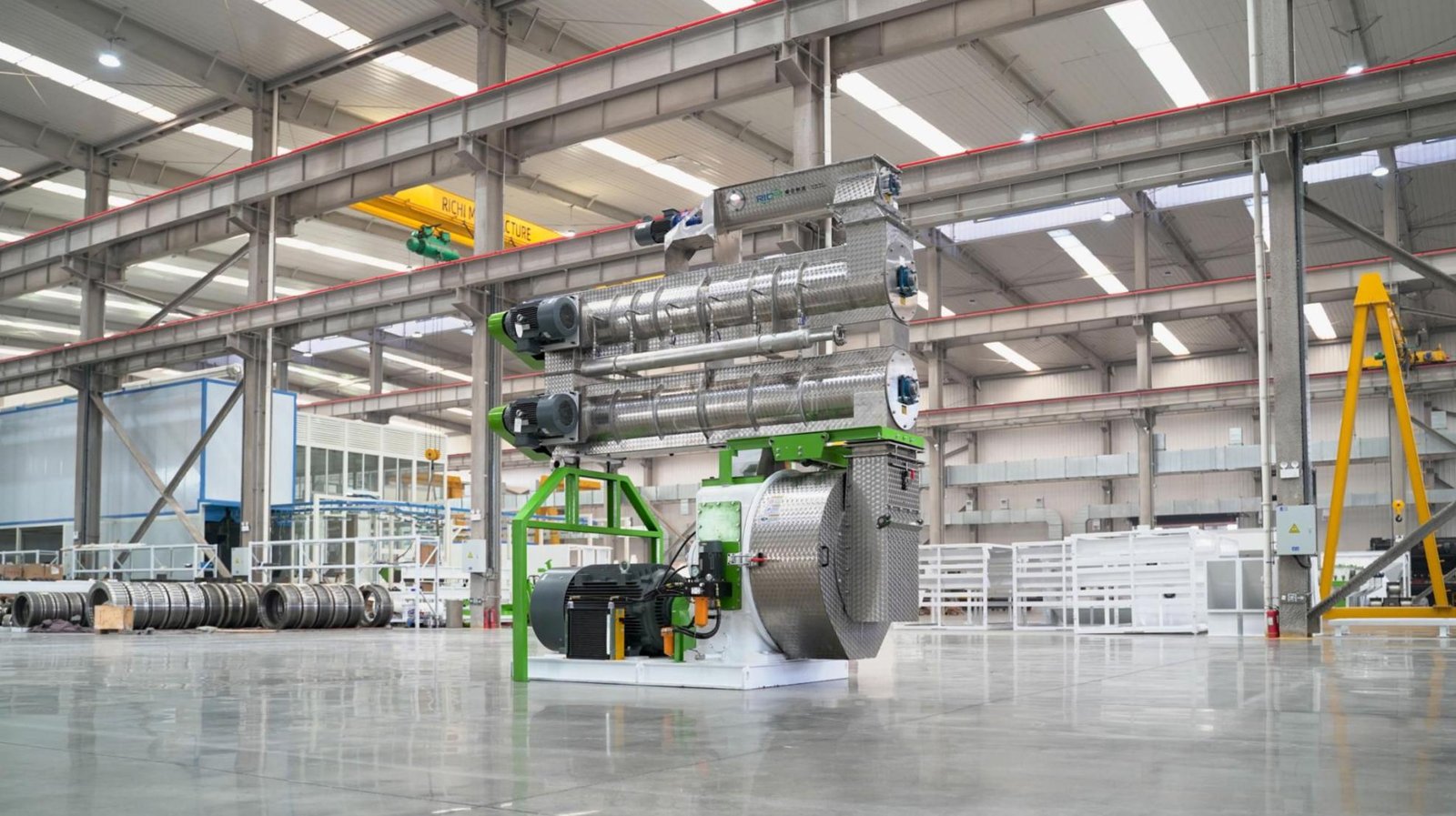
The process sequence described in this biomass pellet plant design provides a useful framework for reviewing raw material handling, size reduction, drying, pelletizing, cooling, screening, packing, and auxiliary equipment as one system. The buyer should overlay seasonal minimum, normal, and adverse material cases on every stage. RICHI Machinery or another supplier should state the operating assumptions behind each capacity and identify where extra testing is required.
Acceptance should include a documented material matrix, mass and moisture balances, bottleneck review, control narratives, cleanout access, safety interlocks, sampling points, spare-parts strategy, training, and performance tests with representative materials. A single short test with dry, clean feedstock does not demonstrate year-round readiness. Where the worst material is unavailable during commissioning, agree on a later verification method and responsibility for any necessary adjustment.
Final Decision Standard
A seasonally resilient biomass pellet plant is not one that claims to process every material at one fixed rate. It is one that knows the limits of each feedstock, detects variation early, routes and blends material intentionally, changes settings within controlled windows, and protects product quality when conditions become difficult. Design flexibility should be purchased where it reduces a defined seasonal risk, then supported with inventory discipline, maintenance, measurement, and operator training.