

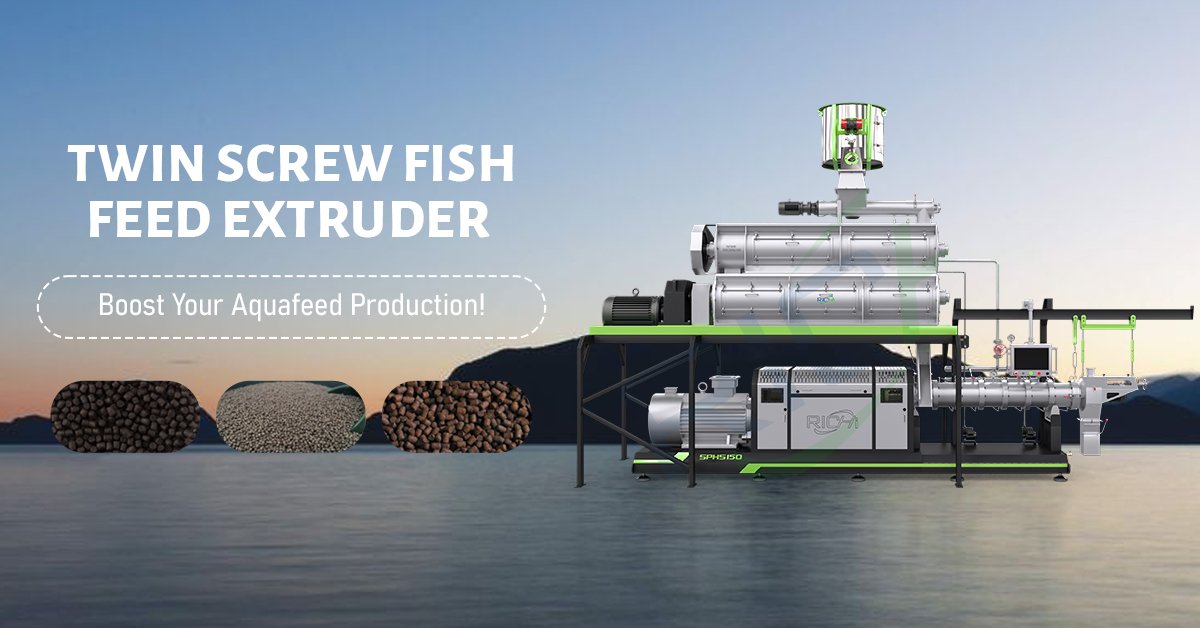
The Growing Importance of High-Quality Aquatic Feed Production
Aquaculture has become one of the fastest-growing food production industries worldwide. With increasing demand for fish, shrimp, and other aquatic products, farmers and feed manufacturers are constantly looking for better solutions to improve feed quality, reduce production costs, and achieve higher farming efficiency.
Among all factors affecting aquaculture performance, feed quality plays a critical role. The nutritional balance, floating ability, water stability, and digestibility of aquatic feed directly influence fish growth, feed conversion ratio, and overall profitability.
Traditional feed processing methods often struggle to meet the requirements of modern intensive farming systems. Uneven pellet size, poor water stability, and nutrient loss can result in unnecessary waste and increased operating costs. Therefore, advanced extrusion technology has become an important development direction for aquatic feed production.
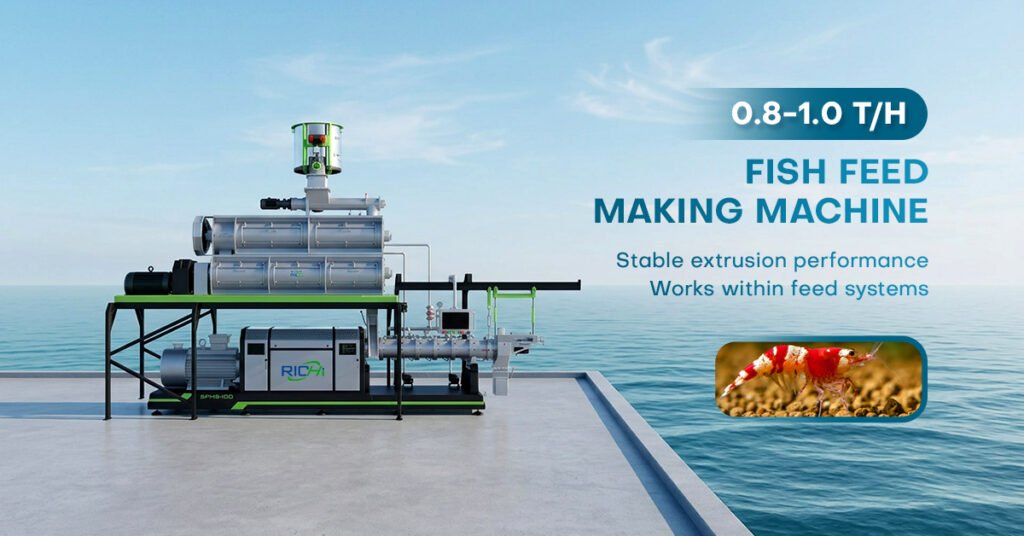
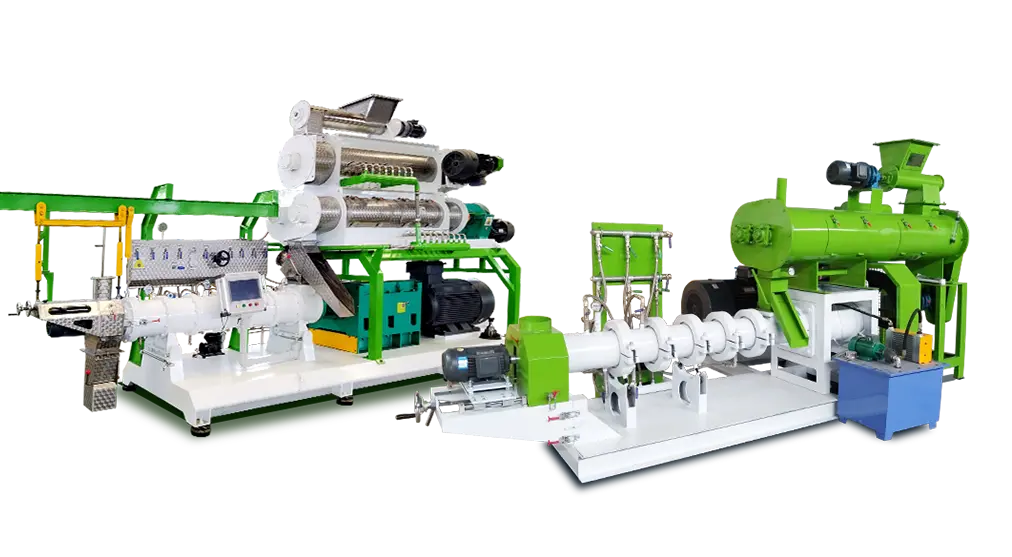
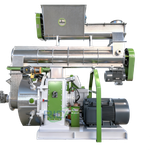
A professional floating fish feed extruder machine provides an effective solution by using extrusion processing to produce high-quality floating pellets with consistent size, excellent buoyancy, and improved nutritional performance.
Why Extrusion Technology Has Become Essential for Aquatic Feed Manufacturing
Extrusion is a processing method that combines mechanical pressure, heat, and moisture control to transform mixed feed ingredients into stable pellets. Compared with traditional pelletizing methods, extrusion offers greater flexibility and better control over final feed characteristics.
During the extrusion process, raw materials such as fish meal, soybean meal, corn, wheat, rice bran, and other nutritional ingredients are conditioned and compressed under controlled conditions. The high-temperature short-time treatment helps improve starch gelatinization, enhance digestibility, and reduce harmful microorganisms.
For aquaculture producers, these advantages create several important benefits:
- Better nutrient absorption
- Reduced feed waste
- Improved fish growth performance
- Higher water stability
- Flexible pellet size adjustment
Floating feed is especially popular in fish farming because farmers can easily observe feeding behavior and control feed quantity. This helps reduce overfeeding and maintain cleaner water conditions.
How Floating Feed Technology Supports Efficient Fish Farming
One of the biggest challenges in aquaculture is managing feed efficiency. Feed usually represents the largest operating expense in fish farming, meaning even small improvements in feed utilization can significantly influence profitability.
A modern fish feed extruder allows manufacturers to produce pellets with precise density control. By adjusting extrusion parameters, operators can create floating feed that remains on the water surface for a suitable period, allowing fish to consume more efficiently.
(Related Post: https://www.richipelletmill.com/twin-screw-fish-feed-extruder/)
The main advantages include:
Improved Feeding Management
Floating pellets allow farmers to monitor fish appetite and adjust feeding strategies according to actual conditions. This reduces unnecessary feed loss and prevents excessive organic accumulation in ponds.
Better Water Quality Control
When feed particles sink quickly and remain uneaten, they can increase ammonia levels and negatively affect aquatic environments. Floating feed technology helps minimize these issues by improving feed utilization.
Adaptable Feed Production
Different aquatic species require different nutritional formulas and pellet sizes. Advanced extrusion equipment can process various recipes for species including tilapia, catfish, carp, trout, and ornamental fish.
Key Factors to Consider When Choosing an Extrusion Solution
Selecting suitable aquatic feed equipment requires careful consideration of production requirements, raw materials, and future business goals.
Production Capacity Requirements
Different farms and feed factories have different output demands. Small farms may need compact production systems, while commercial feed manufacturers require larger industrial solutions.
For businesses targeting large-scale production, choosing equipment such as an industrial sinking fish feed pellet extruder for sale can provide higher efficiency and stable long-term operation.
Production capacity should match market demand while allowing room for future expansion.
Raw Material Compatibility
A good extrusion system should handle a wide range of ingredients. Modern aquatic feed manufacturers commonly use:
- Fish meal
- Soybean products
- Wheat flour
- Corn powder
- Rice bran
- Blood meal
- Animal protein sources
- Plant-based protein alternatives
The ability to process different formulations allows manufacturers to respond quickly to market trends.
Energy Efficiency and Operating Cost
Energy consumption is an important factor affecting production profitability. Advanced extrusion systems focus on improving motor efficiency, reducing material waste, and optimizing production processes.
A well-designed production line should include proper grinding, mixing, extrusion, drying, cooling, and packaging systems to maintain consistent product quality.
The Role of Drying and Post-Processing in Floating Feed Quality
Extrusion is only one part of complete aquatic feed production. After extrusion, pellets usually contain higher moisture content and require drying to achieve proper storage stability.
The drying process helps:
- Reduce moisture levels
- Extend shelf life
- Maintain pellet structure
- Improve transportation performance
After drying, many manufacturers apply oil coating technology to increase nutritional value and improve feed attractiveness.
A complete production system combines multiple stages, including raw material preparation, extrusion, drying, cooling, screening, coating, and packaging.
This integrated approach allows feed producers to deliver stable and high-quality products to the market.
Market Opportunities Behind Advanced Fish Feed Equipment
The global aquaculture industry continues to expand, creating strong demand for efficient feed production technologies.
Countries with developed fish farming industries are increasingly investing in automated feed production facilities. At the same time, emerging markets are building local feed manufacturing capabilities to reduce dependence on imported products.
Regions such as Southeast Asia, South America, Africa, and the Middle East are experiencing growing demand for professional aquatic feed equipment.
For investors and feed manufacturers, upgrading production technology can provide several business advantages:
- Higher production efficiency
- More competitive product pricing
- Better feed quality control
- Expanded market opportunities
Reliable equipment suppliers also play an important role by providing technical support, production solutions, and customized designs.
Companies researching professional pellet processing solutions can Richi machinery manufacture technology information to understand different equipment options and production applications.
Innovations Driving the Future Development of Aquatic Feed Production
The future of aquatic feed manufacturing will focus on automation, sustainability, and precision control.
Several trends are shaping the industry:
Automation and Smart Control
Modern production lines increasingly use automatic control systems to monitor temperature, moisture, pressure, and production speed. This improves consistency and reduces dependence on manual operation.
Sustainable Feed Ingredients
With increasing attention toward environmental protection, feed manufacturers are exploring alternative ingredients such as plant proteins, insect proteins, and agricultural by-products.
Extrusion technology provides flexibility to process these new formulations effectively.
Customized Feed Solutions
Different fish species have unique nutritional requirements. Future feed production will focus more on customized formulas designed for specific growth stages and farming environments.
How Businesses Can Build a Competitive Aquatic Feed Production Strategy
Investing in aquatic feed equipment requires more than purchasing a single machine. Successful projects usually involve careful planning based on:
- Target species
- Local market demand
- Available raw materials
- Expected production capacity
- Investment budget
- Future expansion plans
A complete evaluation helps businesses choose suitable equipment and avoid unnecessary costs.
Manufacturers should also consider after-sales service, spare parts availability, and technical guidance when selecting suppliers.
Reliable cooperation can help ensure stable operation throughout the equipment lifecycle.
Those interested in learning more about advanced aquatic feed solutions can find out here now for additional information about extrusion technology applications.
Conclusion
The development of extrusion technology has transformed modern aquatic feed production by improving pellet quality, reducing waste, and supporting more efficient fish farming operations.
A professional extrusion system enables manufacturers to produce floating feed with better digestibility, water stability, and nutritional performance. As global aquaculture continues to expand, investing in reliable feed processing technology will become increasingly important.
Whether for a growing fish farm or a commercial feed manufacturing business, choosing the right equipment and production strategy can create long-term value and stronger market competitiveness.
With continuous innovation in automation, ingredient processing, and sustainable production methods, advanced aquatic feed extrusion technology will continue to play a key role in the future of global aquaculture.