
Wood Pellet Machine Ramp-Up Acceptance: What to Record Before Commercial Production
A wood pellet machine is not ready for commercial production simply because it can produce…
A wood pellet machine is not ready for commercial production simply because it can produce…
Hemp cultivation and processing can generate stems, stalks, leaves, and other plant residues. When these…
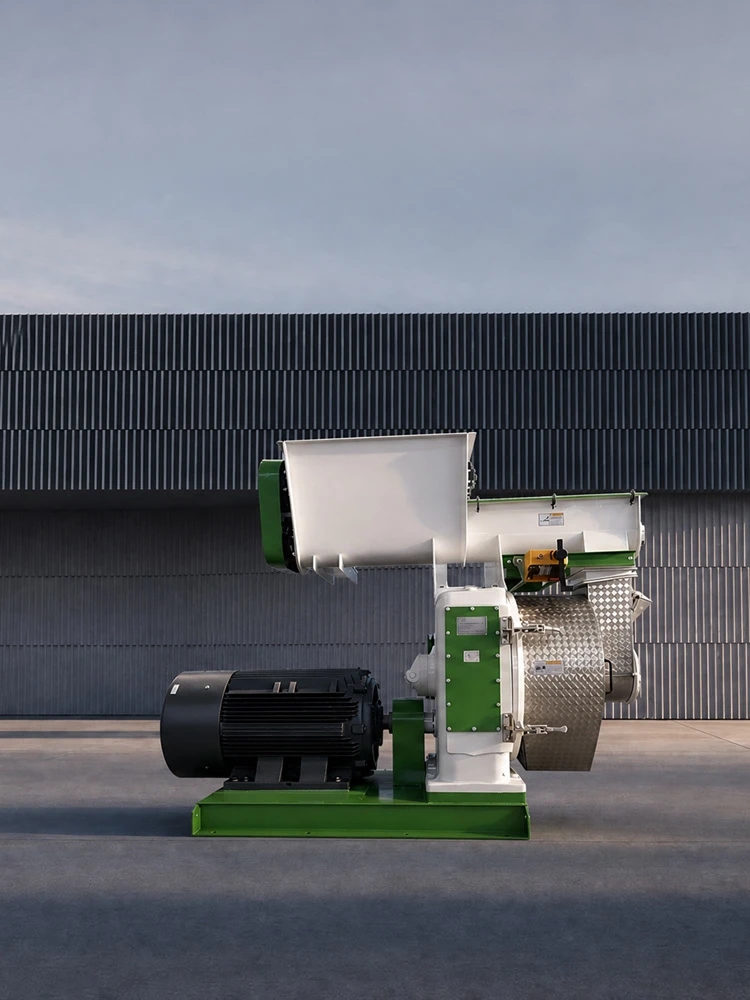
Peanut shells are one of the agricultural residues that can be converted into useful biomass…
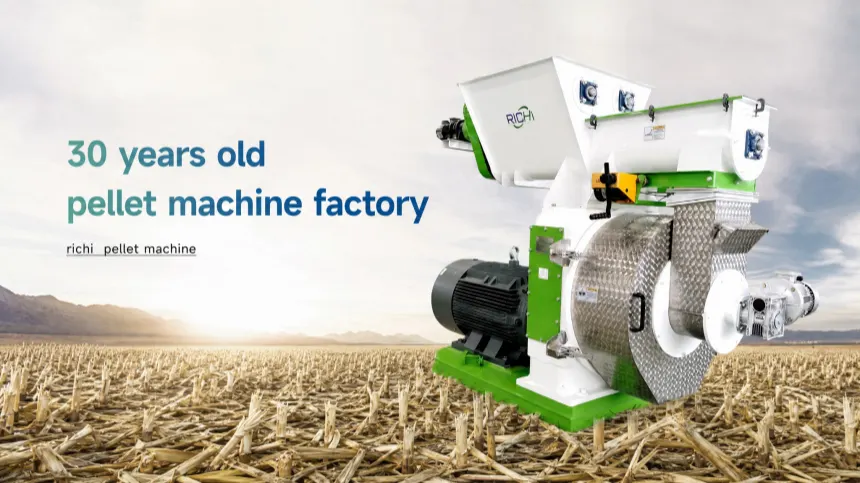
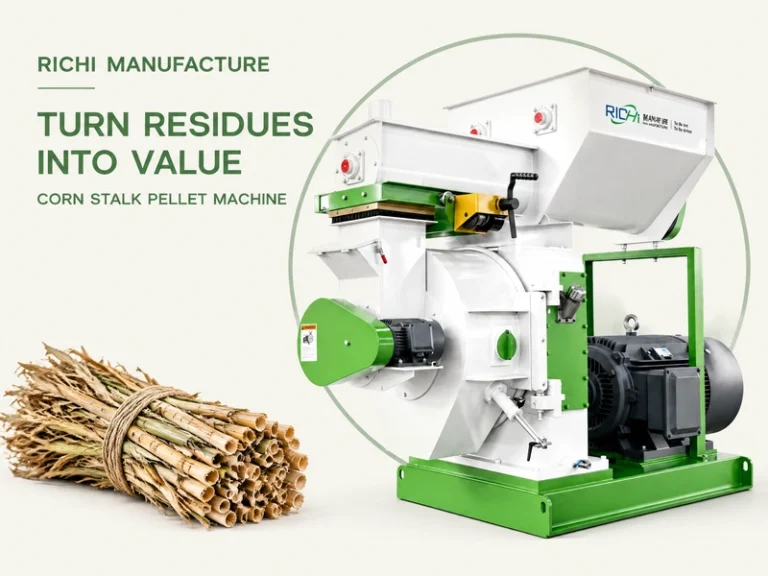
Every year, after the combines leave the field, a massive amount of material remains. Corn…
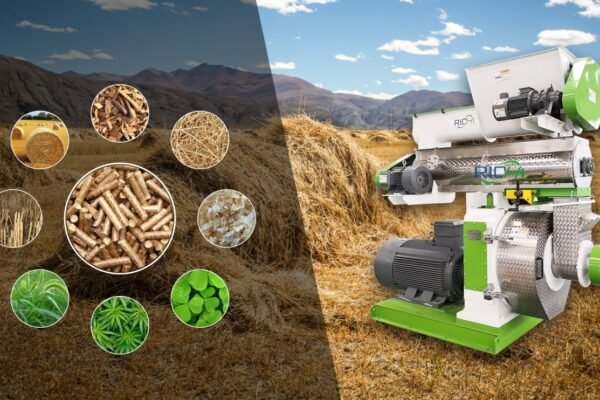
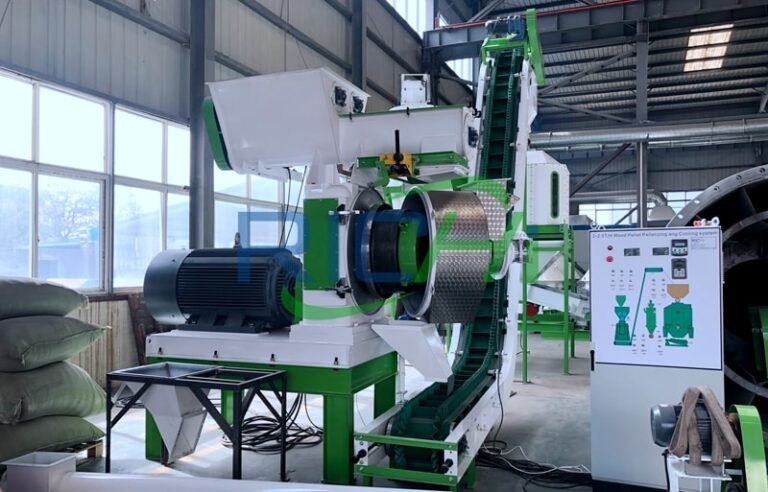
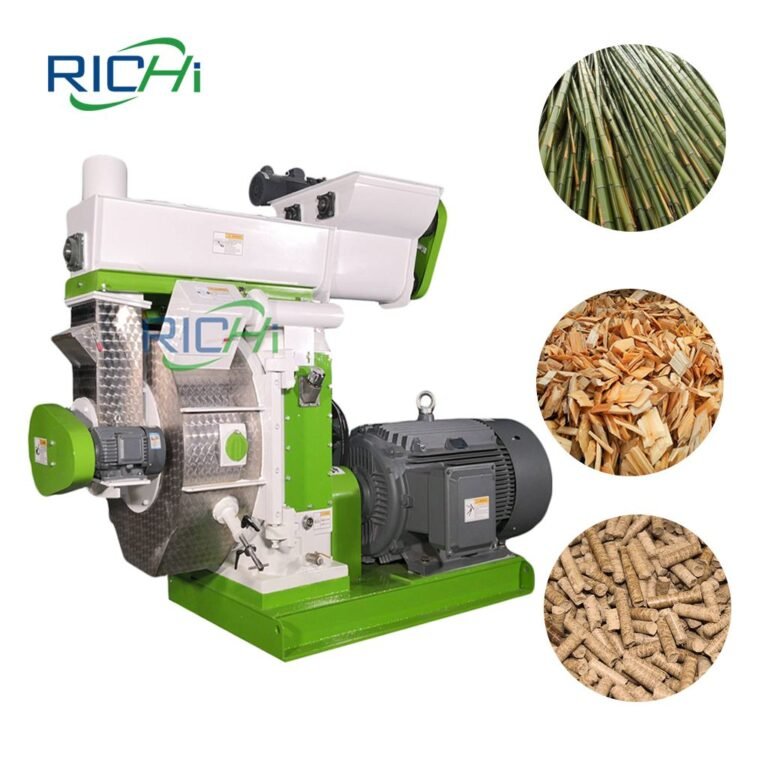
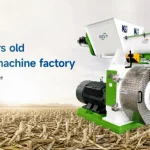
A wood pellet machine is not ready for commercial production simply because it can produce acceptable pellets during a short trial. The more important milestone is whether the plant can reproduce stable output with the same raw-material preparation, operating settings, utility conditions, and operator actions over an extended run. That is why the ramp-up stage…
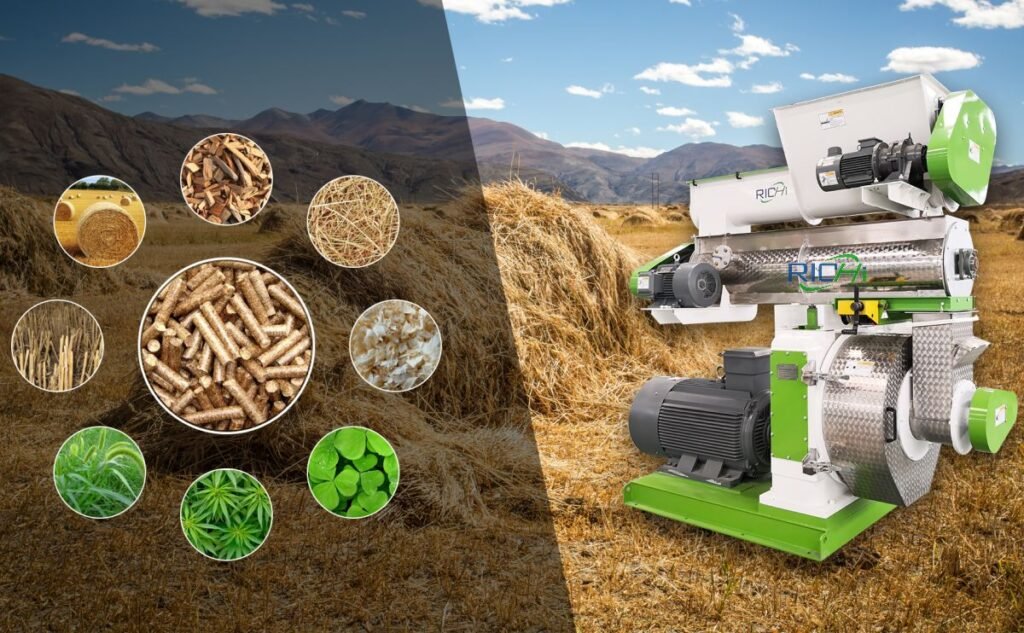
Hemp cultivation and processing can generate stems, stalks, leaves, and other plant residues. When these materials accumulate in large quantities, their low bulk density can make transportation and storage inconvenient. Pelletizing provides a way to compress suitable hemp residues into a denser biomass fuel. A hemp pellet machine is used to compress prepared hemp material…
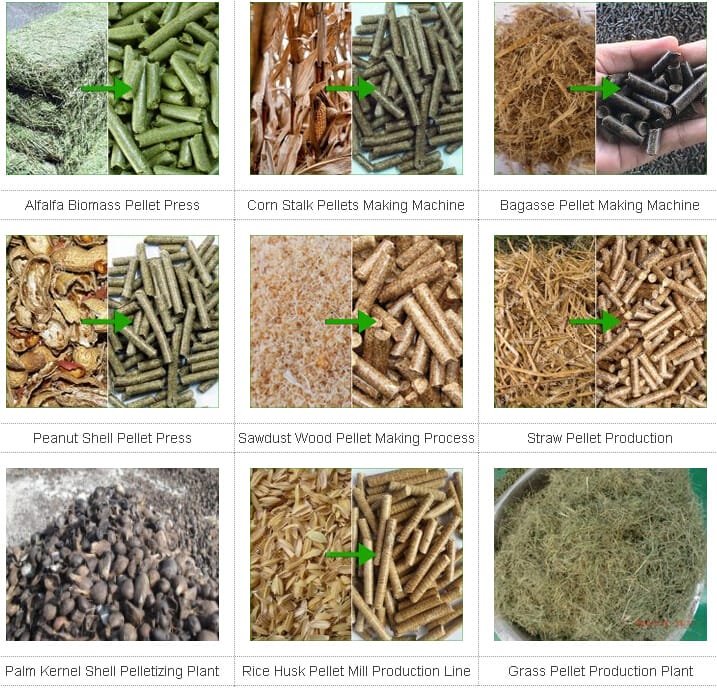
Peanut shells are one of the agricultural residues that can be converted into useful biomass fuel. In regions with significant peanut production, large quantities of shells are generated during processing. If these residues are not properly managed, they may occupy storage space or create disposal challenges. Pelletizing provides one possible way to make better use…
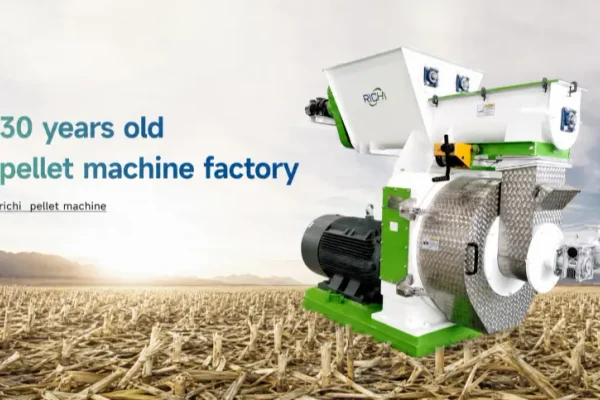
Every year, after the combines leave the field, a massive amount of material remains. Corn stalks, leaves, and cobs sit in rows across millions of hectares. Some of it gets grazed. Some gets plowed back. A large share is simply burned. Very little of it is treated as a resource, even though it contains energy,…
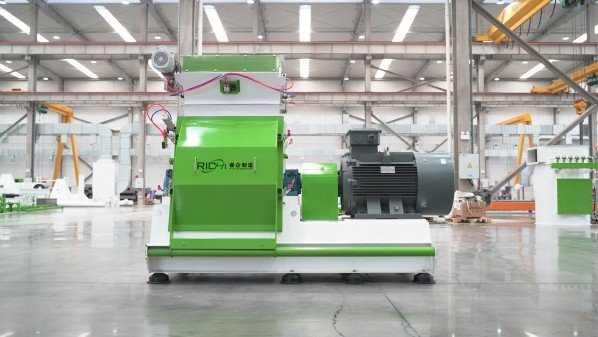
Wood crushing is an important process in biomass processing, wood pellet production, briquette manufacturing, wood recycling, and renewable fuel production. Logs, branches, wood chips, sawdust, shavings, bark, forestry residues, and other wood waste often need to be reduced to a suitable particle size before they can be dried, pelletized, briquetted, burned, or used in other…
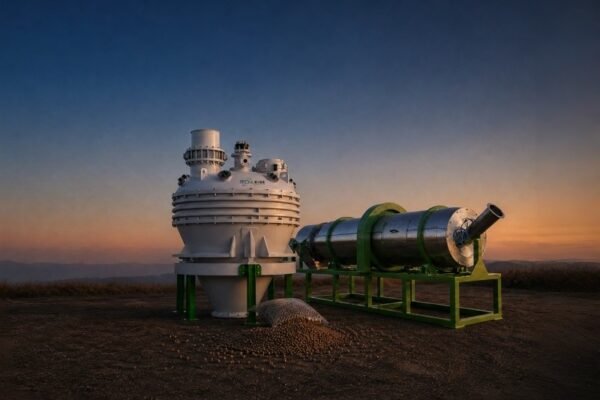
Liquid Application Is Becoming a Key Part of Feed Processing Fish feed production is no longer limited to grinding raw materials and forming pellets. As formulations become more specialized, manufacturers increasingly need accurate systems for handling oils, fats and other liquid ingredients. An oil sprayer machine provides a practical way to introduce these ingredients into…
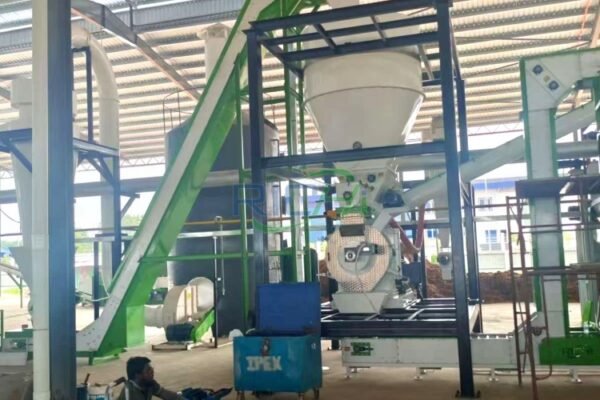
If you run a palm oil mill, you know the scene. The fresh fruit bunches come in by the truckload. The fruit is stripped, the oil is extracted, and what remains is a mountain of empty fruit bunches—EFB. They pile up in the yard. They get pushed to the back of the property. Some are…
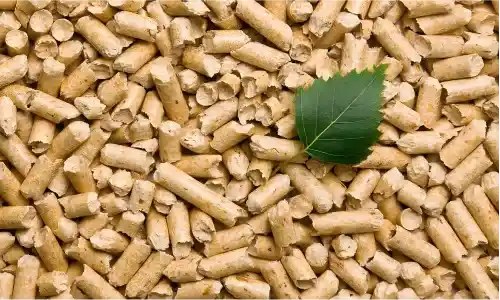
Agricultural production generates enormous amounts of straw and other crop residues every year. Wheat straw, rice straw, corn stalks, barley straw, sorghum stalks, and similar materials are often left in fields, burned, composted, or used as low-value animal bedding. While these approaches can be useful in some situations, a large portion of agricultural waste still…
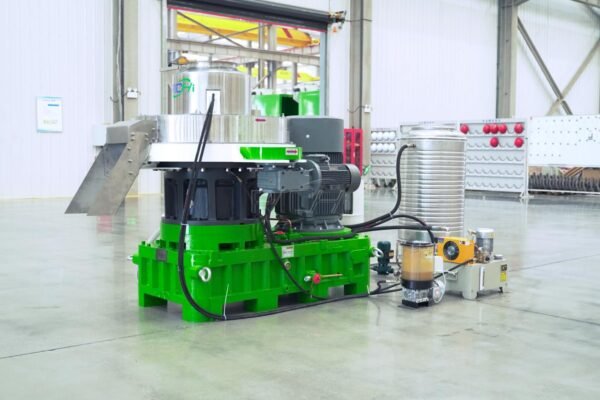
Vegetable waste looks simple as a pelletizing raw material because it is organic, fibrous, and widely available, but its behavior inside a pellet production line can vary sharply from one batch to another. Leafy residues, stems, peels, trimmings, rejected vegetables, and mixed market waste may all be called vegetable waste, yet they can differ greatly…

Industrial biomass production requires a different approach from small farm-level processing. At higher capacities, material supply, storage, conveying, drying, power consumption, maintenance, and finished-product logistics become closely connected. A reliable corn stalk pellet machine is therefore only one part of an industrial production strategy. For investors evaluating an industrial straw pellet machine, the first priority should…