
Livestock production depends heavily on the availability of high-quality feed. Whether raising cattle, sheep, goats, horses, rabbits, or other farm animals, efficient feed management is one of the most important factors affecting animal growth, health, and profitability. As feed costs continue to rise and farmers seek more sustainable feeding solutions, improving feed efficiency has become a major focus in modern animal husbandry.
Grass is one of the most valuable natural feed resources available to livestock producers. It contains essential nutrients such as fiber, protein, minerals, and energy that support animal development. However, traditional grass feeding methods often face several challenges, including seasonal availability, difficult storage, nutrient loss, and low transportation efficiency.
Grass pelletizing provides an effective solution to these challenges. By processing loose grass, hay, alfalfa, and other forage materials into compact pellets, farmers can improve feed utilization, reduce waste, and maintain more stable feed quality throughout the year. A modern grass pellet mill plays a key role in this process by compressing processed grass materials into dense pellets with consistent size and nutritional characteristics.
This article explains how grass pelletizing improves livestock feed efficiency and why more farmers and feed producers are adopting grass pellet production technology.
1. The Importance of Feed Efficiency in Livestock Production
Feed efficiency refers to how effectively animals convert feed nutrients into body weight gain, milk production, egg production, or other valuable outputs. Higher feed efficiency means animals can achieve better production results with less feed consumption.
Improving feed efficiency provides several benefits:
- Lower feed costs
- Faster animal growth
- Better nutrient utilization
- Reduced feed waste
- Increased farm profitability
Feed usually represents the largest operating expense in livestock production. Therefore, improving the nutritional value and utilization rate of feed materials is essential for maintaining competitive farming operations.
Traditional forage feeding methods often result in uneven feed intake and nutrient loss. Grass pelletizing helps solve these problems by creating a more efficient and manageable feed form.
2. Challenges of Traditional Grass Feeding
Fresh grass and loose hay are widely used in livestock feeding, but they have limitations.
Seasonal Availability
Grass production depends heavily on climate conditions. During dry seasons, winter periods, or drought conditions, fresh forage may become limited.
Difficult Storage
Loose grass and hay occupy large storage areas. Improper storage can lead to:
- Mold growth
- Nutrient degradation
- Reduced feed quality
Transportation Problems
Loose forage has low density, making transportation expensive and inefficient.
Uneven Nutrient Distribution
Animals may selectively consume certain parts of loose grass, leaving behind less desirable portions.
High Feed Waste
Loose forage can easily fall onto the ground and become contaminated.
Grass pelletizing addresses these issues by transforming forage materials into a concentrated and stable feed product.
3. What Is Grass Pelletizing?
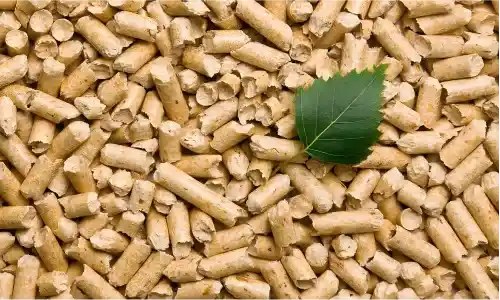
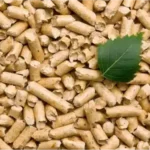
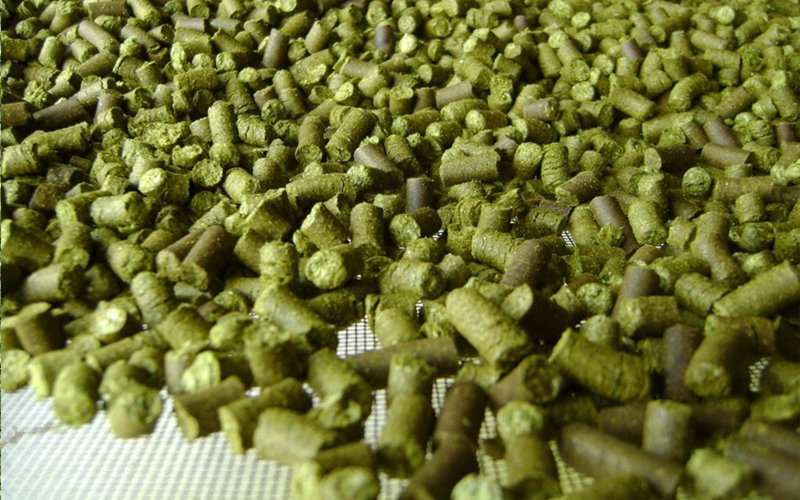
Grass pelletizing is the process of converting grass materials into compact cylindrical feed pellets through mechanical compression.
The process usually includes:
- Grass collection
- Drying
- Crushing
- Mixing
- Pelletizing
- Cooling
- Screening
- Packaging or storage
During pelletizing, prepared grass materials pass through a die under high pressure. The compression force binds the particles together, forming durable pellets.
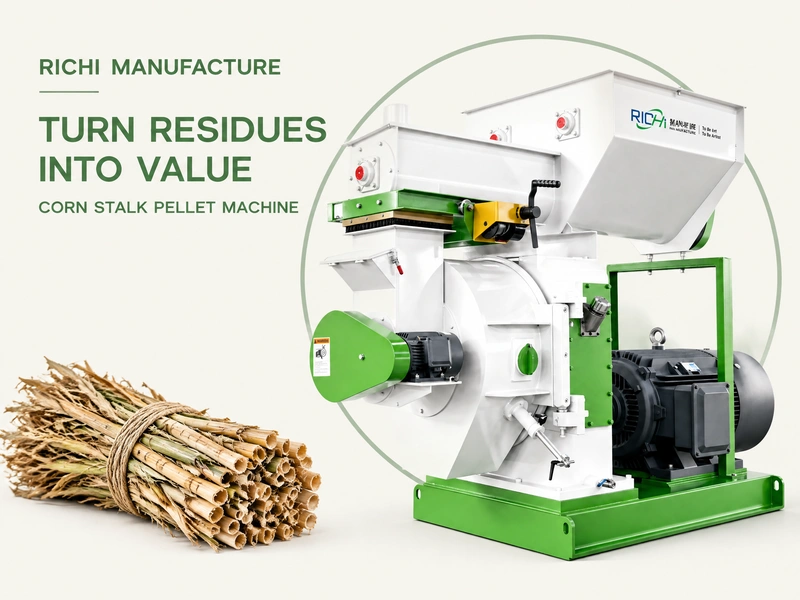
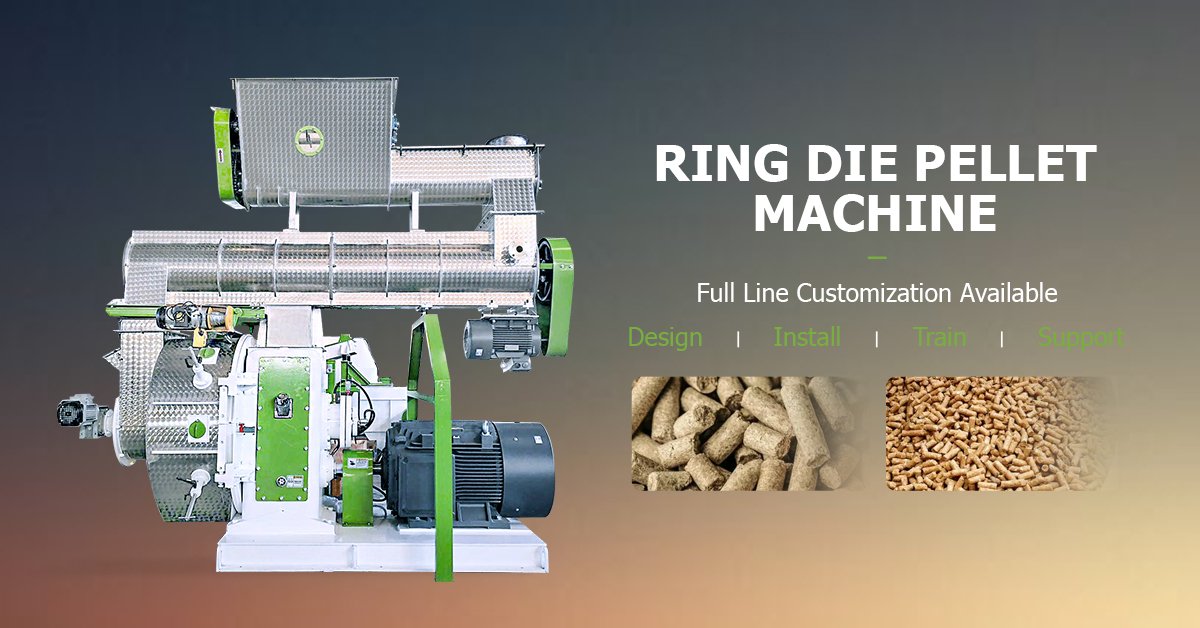
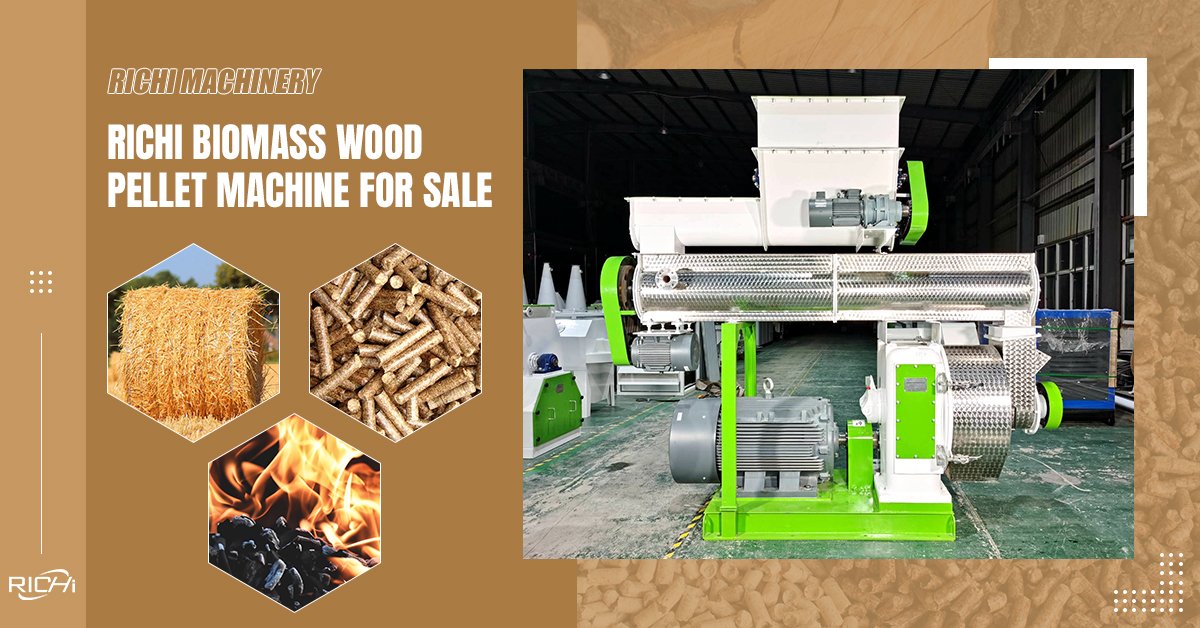
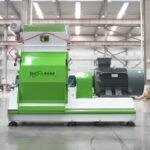
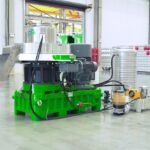
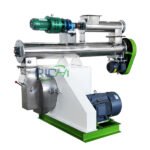
A grass pellet mill is the core equipment used in this process. It applies mechanical pressure through rollers and dies to produce uniform forage pellets suitable for livestock feeding.
The pelletizing process improves the physical characteristics of grass while preserving its nutritional value.
https://richipelletizer.com/grass-pellet-mill
4. Improving Nutrient Utilization
One of the biggest advantages of grass pelletizing is improved nutrient utilization.
Loose grass contains valuable nutrients, but animals may not consume all parts evenly. Some stems or coarse materials may be rejected, causing nutrient waste.
Grass pellets solve this problem by grinding and compressing the entire forage material into a uniform product.
Benefits include:
Complete Feed Consumption
Animals consume all components of the pellet, including leaves, stems, and fine particles.
Better Nutrient Balance
Uniform processing creates more consistent nutrient distribution.
Reduced Selective Feeding
Animals are less able to choose only specific parts of the feed.
Improved Digestibility
Smaller particle sizes created during processing increase the surface area available for digestion.
As a result, animals can obtain more nutrients from the same amount of feed.
5. Increasing Feed Density and Reducing Waste
Grass pelletizing significantly increases feed density.
Loose grass and hay have a large volume compared with their actual nutritional value. Compressing grass into pellets reduces volume and increases storage efficiency.
Higher density provides several advantages:
- More feed stored in limited space
- Lower transportation costs
- Easier handling
- Reduced feed losses
During feeding, pellets are less likely to scatter compared with loose forage. This reduces contamination and waste.
For large livestock farms, reducing feed loss can significantly improve overall production efficiency.
6. Extending Feed Storage Life
A major challenge in livestock production is maintaining feed availability throughout the year.
Grass pellets provide a practical solution because they are easier to store than fresh grass or loose hay.
Properly produced pellets have:
- Lower moisture content
- Better structural stability
- Reduced risk of spoilage
- Longer storage periods
Farmers can produce grass pellets during periods of abundant forage supply and store them for use during seasons when fresh grass is unavailable.
This improves feed security and reduces dependence on seasonal forage production.
7. Supporting Balanced Livestock Nutrition
Different livestock species have different nutritional requirements. Grass pellets can be customized by adjusting raw materials and formulas.
For example:
Cattle Feed
Grass pellets provide fiber necessary for rumen health and digestion.
Sheep and Goat Feed
Pelletized forage improves nutrient intake and reduces feed selection.
Horse Feed
Grass pellets provide a convenient alternative to traditional hay.
Rabbit Feed
Processed forage pellets support balanced nutrition and efficient feeding.
Manufacturers can combine grass with other ingredients such as:
- Alfalfa
- Corn
- Soybean meal
- Minerals
- Vitamins
This allows producers to create feed products designed for specific animal requirements.
8. Improving Feed Management Efficiency
Managing loose forage can require significant labor. Workers must handle, transport, and distribute large volumes of material.
Grass pellets simplify feed management.
Advantages include:
Easier Transportation
Pellets can be moved using standard feed handling systems.
Automatic Feeding Compatibility
Pellets work well with automated feeding equipment.
Reduced Labor Requirements
Less manual handling is needed compared with loose hay.
Better Inventory Management
Pellet quantities are easier to measure and control.
For commercial livestock farms, improved feed management can reduce operating costs and increase productivity.
9. The Role of Grass Pellet Mill Technology
The performance of pelletizing equipment directly affects feed quality and production efficiency.
A reliable grass pellet mill provides several important functions:
Efficient Compression
Strong compression creates pellets with good durability and density.
Stable Production
Advanced machines can operate continuously with consistent output.
Adjustable Pellet Size
Different livestock species require different pellet sizes. Modern pellet mills allow flexible production options.
Reduced Energy Consumption
Efficient designs lower operating costs.
Long Service Life
High-quality components reduce maintenance requirements.
Choosing suitable pelletizing equipment is essential for producing high-quality grass feed pellets.
10. Factors Affecting Grass Pellet Quality
Several factors influence the quality of grass pellets.
Raw Material Quality
Fresh and clean grass produces better feed pellets. Contaminated materials may affect animal health.
Moisture Content
Proper moisture improves pellet formation and durability.
Particle Size
Uniform particle size helps create stronger pellets.
Compression Ratio
The die design affects pellet density and hardness.
Cooling Process
Proper cooling improves pellet stability and storage performance.
By controlling these factors, producers can manufacture pellets with excellent feeding value.
11. Reducing Feed Costs
Feed cost reduction is one of the main goals of livestock producers.
Grass pelletizing helps lower costs through several methods:
Better Feed Conversion
Animals utilize nutrients more effectively.
Reduced Waste
Less feed is lost during storage and feeding.
Lower Transportation Expenses
Higher-density pellets reduce logistics costs.
Improved Raw Material Utilization
Low-value forage resources can become valuable feed products.
For farms with access to grass resources, pellet production can provide a cost-effective feeding strategy.
12. Promoting Sustainable Livestock Farming
Sustainable livestock production requires efficient resource utilization and reduced environmental impact.
Grass pelletizing supports sustainability by:
Utilizing Local Forage Resources
Farmers can use locally available grasses instead of relying heavily on imported feed ingredients.
Reducing Waste
Pellet production makes better use of harvested forage.
Improving Resource Efficiency
Animals obtain more nutrients from processed feed.
Supporting Circular Agriculture
Grass and agricultural residues can be converted into valuable feed products.
These advantages make grass pelletizing an important technology for sustainable livestock development.
13. Applications of Grass Pellets in Different Farming Systems
Grass pellets can be used in various livestock production systems.
Small Farms
Small farmers can produce or purchase grass pellets to maintain feed supply during difficult seasons.
Commercial Livestock Farms
Large farms benefit from easier storage, transportation, and automated feeding.
Feed Manufacturers
Feed companies can use grass pellets as ingredients in specialized animal feed products.
Pasture-Based Operations
Grass pellets provide backup feed when pasture quality declines.
The flexibility of grass pellets makes them suitable for many agricultural applications.
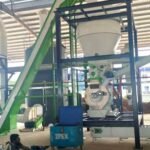
14. Establishing a Grass Pellet Production System
For businesses interested in producing grass feed pellets, a complete production system should be carefully designed.
Typical equipment includes:
- Grass crusher
- Dryer
- Mixer
- Grass pellet mill
- Cooler
- Screening machine
- Packaging equipment
The system design depends on:
- Raw material availability
- Production capacity
- Target livestock market
- Investment budget
Professional equipment suppliers can provide customized solutions to ensure efficient operation and high-quality pellet production.
(Learn more about complete alfalfa pellet production line )
15. Future Development of Grass Pellet Feed
As livestock industries continue to focus on efficiency and sustainability, grass pellet feed is expected to become increasingly important.
Future trends include:
- Greater use of automated feeding systems
- Development of customized forage pellets
- Improved pelletizing technology
- Integration with precision livestock farming
- Increased utilization of agricultural biomass resources
Advanced pellet production technology will continue helping farmers improve feed efficiency and reduce production costs.
Conclusion
Grass pelletizing is an effective method for improving livestock feed efficiency by increasing nutrient utilization, reducing feed waste, improving storage performance, and simplifying feed management. By converting loose grass into compact and uniform pellets, farmers can create a more stable, economical, and sustainable feed supply.
The grass pellet mill is the key equipment that makes this transformation possible. Through efficient compression technology, it produces high-quality forage pellets that meet the nutritional needs of different livestock species.
As the demand for efficient and sustainable animal production continues to grow, grass pelletizing will play an increasingly important role in modern livestock farming. By adopting advanced pellet production technology, farmers and feed manufacturers can achieve better resource utilization, lower costs, and improved livestock performance.