





A bamboo pellet mill project is viable only when the plant can deliver a consistent prepared feed to the press and move the finished pellets safely into storage or dispatch. Bamboo is not simply another form of wood waste: its long fibers can bridge in hoppers, its silica content can increase abrasion, and its bulk form changes considerably between shavings, chips, flakes and leaves. The installation plan should therefore be built around the material route and the factory’s operating conditions, not around the pellet mill footprint alone.
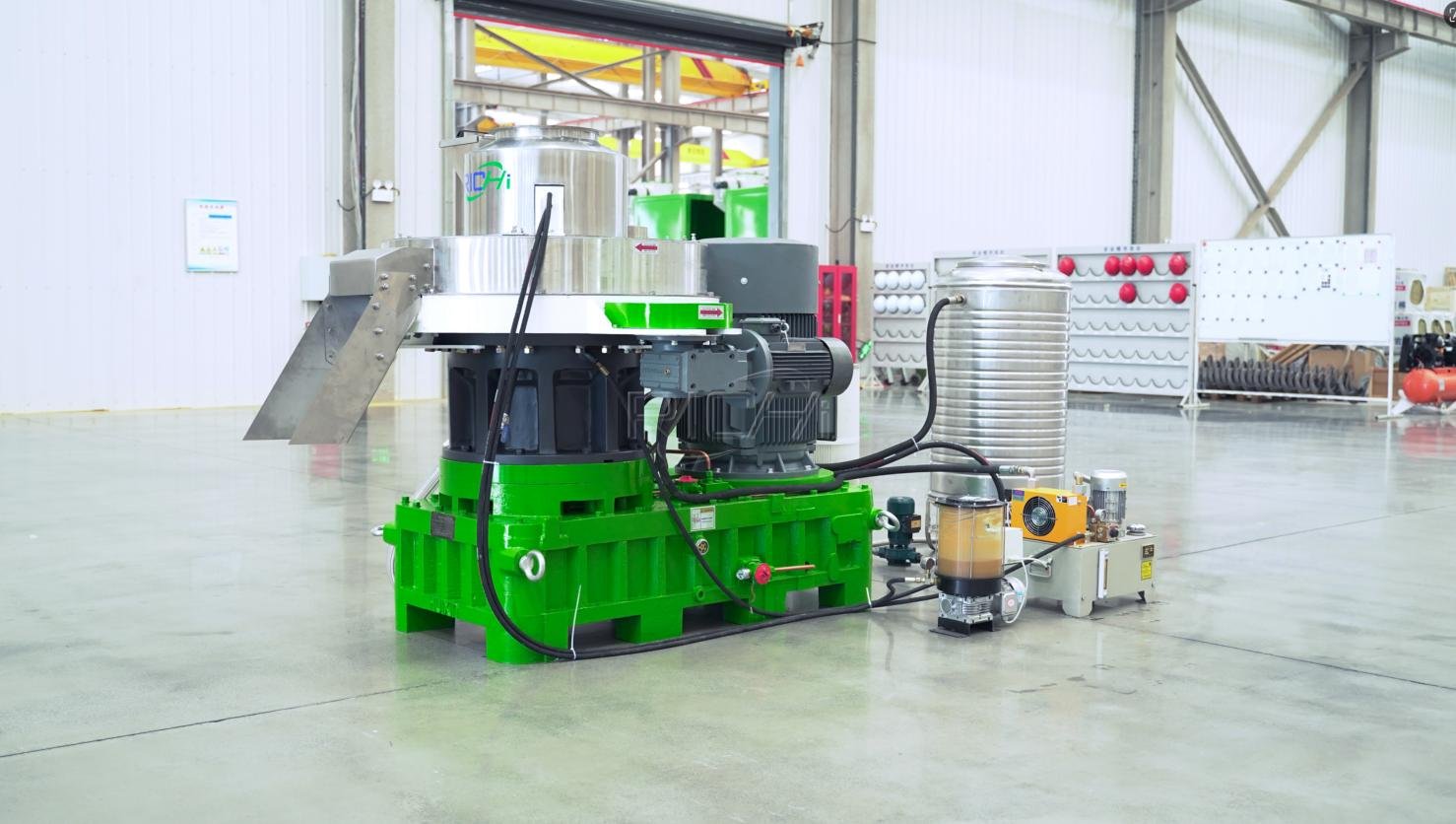
RICHI’s bamboo pellet mill range covers reference line outputs from 0.2 to 4 t/h, with MZLH models using 22–250 kW main motors and finished pellet diameters of 4–12 mm. The product information describes an arch-breaking feeder, forced feeder, grooved pressure rollers and adjustable cutter. The published output is a whole-line reference under rated conditions; actual capacity depends on the bamboo form, moisture and preparation quality. These details should be translated into a site-specific installation and commissioning plan.
Confirm the Material Route Before Equipment Arrives
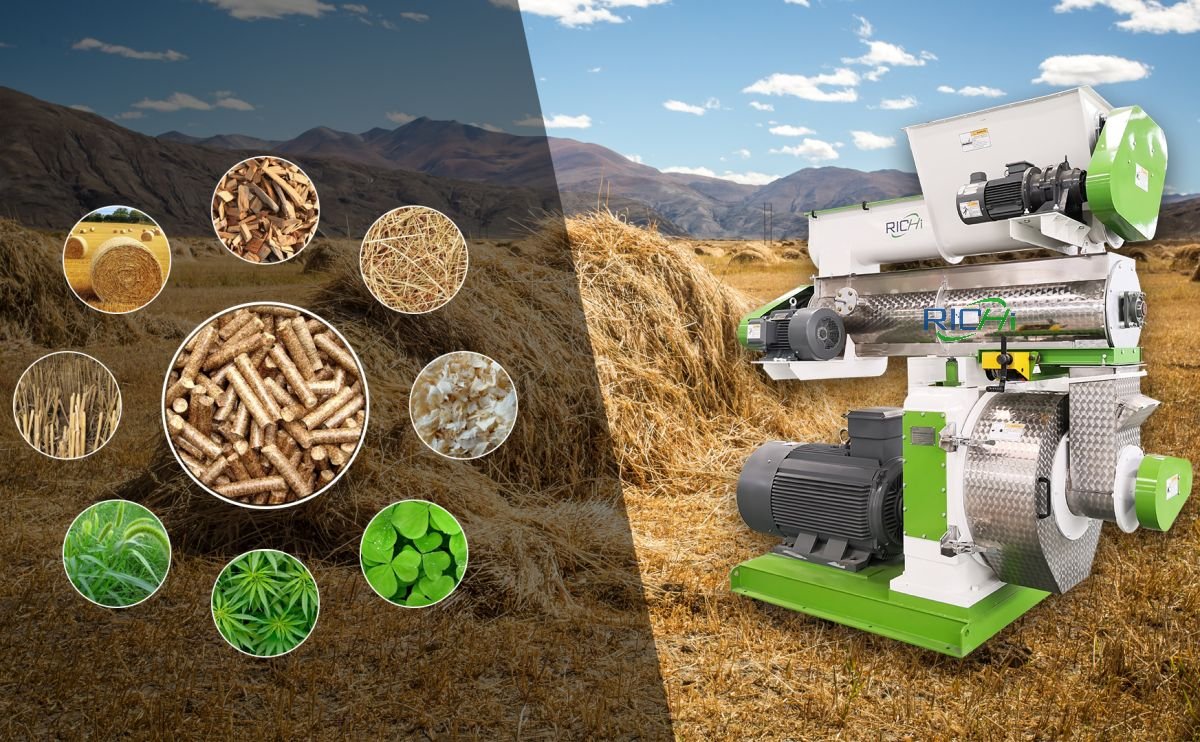
The first installation decision is where the plant will receive and prepare bamboo. Shavings and small chips may need screening and controlled metering, while large joints, thick flakes or long strips can require cutting or coarse crushing before fine grinding. Leaves and mixed residues may have different bulk density and moisture behavior. Prepare a material map showing each source, incoming form, expected daily volume, contamination and the equipment required before the pellet mill.
Bamboo can also be blended with rice husks, corn straw, branches or sawdust, but blending should be controlled rather than used to hide inconsistent feedstock. Define a recipe range and identify how each material enters the process. Separate receiving bays or bins help operators keep batches traceable. If the plant changes between bamboo-only and mixed biomass, the control sequence and cleanout points should be designed before installation.
The site survey should confirm truck access, unloading space, covered raw-material storage, loader turning radius and the route from storage to the crusher. Bamboo is bulky, so the volume handled by conveyors and hoppers may be more restrictive than the mass flow suggests. Check the capacity of the receiving pit and metering conveyor at peak delivery, not just at average production.
Engineer the Feed Preparation Area for Fiber and Abrasion
Long bamboo fibers can wrap around shafts or obstruct transfer points. The coarse cutting and grinding section should reduce material to a stable size distribution without generating unnecessary fines. The final screen should be selected with the die and pellet diameter in mind. A target that works for short bamboo shavings may not work for thick joints or mixed leaves, so representative material tests should guide the screen selection.
Silica and soil contamination affect wear. Install appropriate cleaning and magnetic separation where the incoming material profile justifies them, and provide safe access for removing collected contaminants. The floor plan should make it possible to inspect the screen, hammers, rotor and conveyor transitions without dismantling unrelated equipment. Record screen changes and wear-part inspections because they influence both particle size and operating cost.
Dust collection should be coordinated with crushing, screening, transfer and pelletizing. Decide where extraction hoods are required, how ducts will cross the building and where filters can be serviced. Dust discharge and housekeeping need a defined procedure. The collector should not be treated as an optional accessory added after the machines are installed, because duct routing and maintenance access are part of the plant layout.
Prepare the Press Foundation and Utility Interfaces
Before foundations are poured, verify the approved general arrangement, machine loads, anchor positions, floor elevations and maintenance clearances. The pellet mill requires room to remove the ring die, rollers and feeder components. Confirm the lifting path for heavy parts and ensure that platforms or overhead lifting equipment can reach the service points. A compact foundation that blocks die replacement can create long maintenance stops later.
The electrical schedule should include the main motor, arch-breaking feeder, forced feeder, conveyors, crusher, dust collector and downstream cooler and screen. Confirm voltage, frequency, starting method, protection, cable sizing, earthing and control interfaces. The published machine models have different motor ratings, so the selected model must be matched to the site’s transformer and distribution capacity rather than using a generic electrical allowance.
Create an interface register that identifies who supplies the transformer, distribution panel, field cables, external conveyors, building steel, dust ducting, lifting equipment and civil works. Also define responsibility for unloading, installation labor, alignment, commissioning support and operator training. Clear scope boundaries reduce the risk of a machine arriving before its utilities or foundations are ready.
Set Up Feeding and Pelletizing as One Controlled Operation
The widened inlet and variable-frequency arch-breaking feeder described for the bamboo pellet mill are intended to keep fibrous material moving toward the forced feeder. The forced feeder then pushes material into the pelletizing chamber. During installation, check the orientation of the hopper, feeder, chute and drive motors. Transfer chutes should avoid ledges where bamboo fibers can accumulate.
The grooved pressure rollers help grip bamboo fibers, while the ring die determines pellet diameter and compression behavior. The die should be selected for the intended material blend and product specification. Do not assume that changing only the hole diameter will preserve output: compression ratio, moisture, particle size and fiber condition all affect the load and forming result. Confirm the die specification in the technical submittal before installation.
The cutter position controls pellet length. Set the initial clearance according to the equipment procedure and verify the result during a controlled trial. If long fibers wrap around the cutter or produce uneven lengths, investigate particle preparation and cutter alignment before making repeated adjustments. Record the accepted die, roller and cutter settings for each approved bamboo blend.
Plan Cooling, Screening and Product Handling Around Saleable Output
Pellets leaving the press are hot and may be fragile. The cooler should be sized for the expected discharge and pellet dimensions, with enough residence time to stabilize the product before screening. Conveyors should minimize unnecessary drops that create breakage. The screen separates fines and off-size pellets; if fines are recycled, the return rate must be monitored so it does not overload the press.
Finished-product storage should protect pellets from moisture pickup and mechanical damage. Confirm the silo or warehouse capacity against dispatch frequency, bag size and bulk-loading method. The packing station needs enough space for bag handling, pallet movement and dust extraction. A press rated at a certain output does not guarantee the same packaged output if cooling, screening or packing is undersized.
Commission in Stages and Record the Operating Window
Commissioning should begin with mechanical checks: alignment, anchoring, lubrication, guards, fasteners, motor rotation and safe access. Test emergency stops, overload protection and interlocks before introducing material. Run no-load checks where allowed by the equipment procedure. Verify that upstream feeding stops if the pellet mill or downstream equipment is unavailable.
The first loaded trial should use representative bamboo from the normal supply, not specially selected clean and dry material. Record material form, moisture, particle size, blend ratio, feeder frequency, motor current, die specification, roller setting, cutter clearance, pellet diameter, fines and saleable output after cooling and screening. These records show whether a limitation comes from preparation, feeding, forming or downstream handling.
Define acceptance before the trial: test duration, target output, pellet dimensions, moisture, sampling method, utility conditions and how start-up interruptions are treated. If the project uses several bamboo forms, test each major blend separately. A short peak-output reading on dry shavings does not establish stable performance on wet chips or mixed bamboo residues.
Train Operators Around Bamboo-Specific Risks
Operators should understand how fiber length, moisture and contamination affect feeding and die load. Training should cover safe clearing procedures, feeder adjustment, lubrication, die and roller inspection, cutter adjustment, cooler operation and screening. Emphasize that blockages must only be cleared after isolation and lockout according to site rules. No production target justifies reaching into moving equipment.
Create shift records for raw-material batch, moisture, screen condition, feeder setting, motor load, output, fines and stoppages. These records help distinguish a change in bamboo supply from mechanical wear. Keep a spare-parts list for the selected model and identify critical components with their exact specifications. Spare-parts planning should reflect operating hours and supplier lead times.
Use a Project Readiness Review Before Ramp-Up
Before commercial operation, confirm that the receiving area, raw-material stock, utilities, safety systems, dust collection, process controls, packaging and finished-product storage are all ready. Close open installation items and verify that operators can perform routine checks. Ramp up output gradually while monitoring motor load, feeder stability, pellet quality and downstream accumulation.
A useful handover package contains approved drawings, equipment list, electrical schedule, lubrication chart, die and roller specifications, operating settings, maintenance intervals, spare-parts list, training record and trial results. It should also state which material conditions and product specifications were validated. This prevents later capacity disputes caused by comparing different raw materials or operating assumptions.
Bamboo Feedstock Route Decision
Separate bamboo shavings, chips, flakes, joints and leaves at receiving. Shavings may need screening and metering; large joints and thick flakes need coarse cutting before fine grinding; leaves and mixed residues may require a separate blend ratio. For every batch, record moisture, particle size, contamination and storage location. If a new batch increases feeder interruptions, compare its fiber length and moisture with the approved reference material before changing the die or feeder settings. Keep stones, metal and plastic out of the grinder and ring die.
Use a trial to validate each materially different bamboo blend. Record feeder frequency, motor current, die specification, pellet size, fines and saleable output after cooling and screening. A result achieved on dry shavings should not be used as the capacity basis for wet chips or long joints.
Bamboo Mill Installation Readiness Checklist
Before energizing the machine, verify foundation level, anchor torque, motor rotation, feeder alignment, guards, lubrication and clearance for ring-die removal. Test the arch-breaking feeder and forced feeder independently, and confirm that upstream feeding stops if the press or cooler becomes unavailable. Confirm the dust collector, screen and packing section can handle the expected discharge. During the first loaded trial, increase feed gradually and stop if fibers wrap around the cutter, material accumulates above the forced feeder or motor load rises abnormally. Record all accepted settings in the handover file.
Conclusion: Treat Installation as a Process Integration Task
A bamboo pellet mill project succeeds when raw-material receiving, fiber preparation, feeding, pelletizing, cooling, screening and dispatch work as one balanced system. The machine’s wear-resistant components matter, but their performance depends on the material delivered to them and the way the factory is installed, operated and maintained.
For model options and component details, review the RICHI bamboo pellet mill range. Prepare representative bamboo samples, expected blend ratios, moisture data, target pellet size, required output, site layout and utility information before finalizing the installation scope.