

Introduction: Meeting the Needs of Modern Sheep Farming
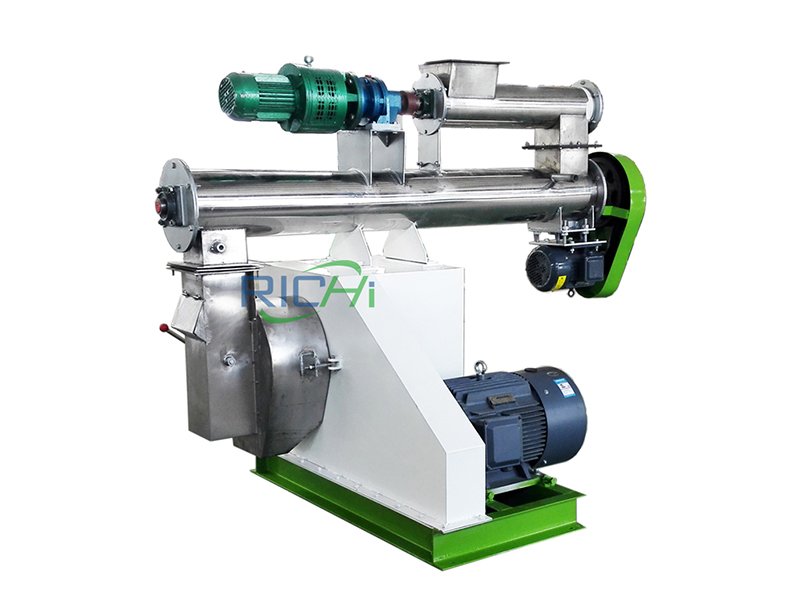
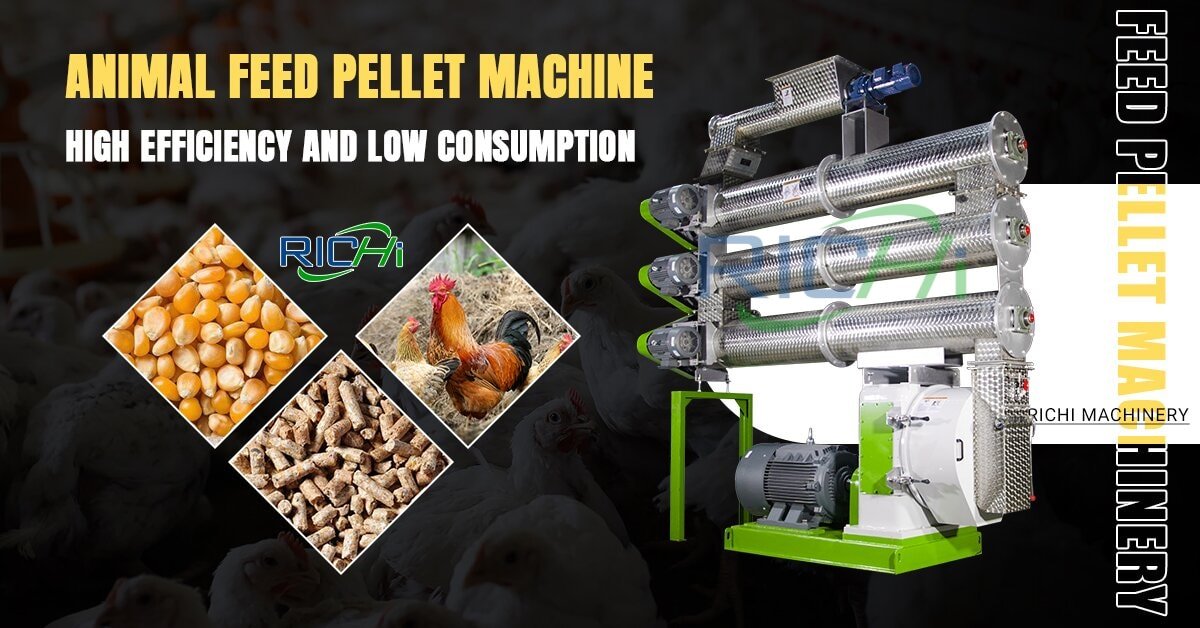
Sheep farming has evolved significantly in recent years, especially with the increasing demand for efficient feed utilization and cost control. A sheep feed pellet machine plays a vital role in converting rough agricultural residues into compact, nutrient-balanced pellets suitable for ruminant digestion.
Unlike traditional feeding methods that rely on loose forage or manually mixed feed, pelletized feed ensures consistent nutrient distribution and better intake efficiency. This helps farmers improve weight gain performance while reducing feed waste, which is especially important in large-scale sheep production systems.
Integration in Modern Livestock Feed Systems
In diversified farms, sheep are often raised alongside other livestock species such as rabbits, cattle, or goats. This creates the need for flexible equipment capable of handling different feed formulations. A livestock feed pellet machine provides this adaptability by allowing adjustments in compression ratio, pellet size, and raw material composition.
For farms managing multiple species, feed production efficiency becomes a critical factor. The same system can be used to process different formulations for various animals, reducing equipment investment costs and improving production flexibility. This integrated approach is now widely adopted in modern agricultural operations.
Combined Applications for Sheep and Rabbit Farmin
Many farms are now shifting toward multi-species production systems where feed flexibility is essential. In such setups, a rabbit pellet making machine becomes highly valuable because it can be configured to produce both high-fiber sheep feed and fine-textured rabbit pellets using different molds and processing settings.
This dual-purpose capability reduces the need for separate machines and simplifies production management. For example, sheep feed requires coarse fiber retention for proper rumen function, while rabbit feed requires finer grinding and higher digestibility. A well-designed system can handle both requirements efficiently, making farm operations more streamlined and cost-effective.
Key Benefits of Sheep Feed Pellet Technolog
One of the most important advantages of using pelletized feed for sheep is improved digestibility. The pelletizing process breaks down raw fibers and improves nutrient accessibility, allowing animals to absorb more energy from the same feed input.
Another benefit is storage efficiency. Pellets are easier to transport, less prone to spoilage, and occupy less space compared to loose forage. This is especially beneficial for farms operating in regions with seasonal feed shortages or limited storage capacity.
In addition, modern machines are designed for stable continuous operation. They support long production cycles with minimal downtime, making them suitable for both medium and large-scale sheep farming enterprises.
Choosing Reliable Equipment and Industry Support
Selecting the right supplier is essential for ensuring long-term production stability and equipment performance. A reliable manufacturer provides not only durable machines but also technical support and system optimization guidance.
One well-known supplier in the industry is Richi Machinery. Richi Machinery specializes in designing customized feed processing solutions that meet the needs of different livestock sectors. Their sheep feed systems are engineered for high efficiency, stable output, and compatibility with various raw materials, ensuring consistent performance under different farming conditions.
Working with experienced manufacturers also reduces operational risks and helps farmers scale production more efficiently in the future.
Practical Learning and Further Exploration
For farmers and investors looking to better understand feed production technology, detailed resources and technical insights are essential. If you want to explore more real-world applications, system configurations, and operational tips, you can try these out through specialized industry resources that provide in-depth guidance on pellet production systems.
These insights help users better understand how to optimize feed formulas, improve pellet quality, and reduce production costs in real farming environments.
Conclusion: A Smart Step Toward Efficient Livestock Farming
The sheep farming industry is increasingly moving toward precision feeding and automated production systems. A sheep feed pellet machine offers a reliable solution for improving feed utilization, reducing waste, and enhancing overall farm productivity.
When integrated with flexible systems such as livestock feed pellet machine setups and multi-purpose equipment like sheep rabbit pellet making machine configurations, farmers can build a highly efficient and scalable production model. With the right technology and support, livestock farming becomes more sustainable, productive, and economically viable in the long term.