

Why Sawdust Is an Ideal Pellet Feedstock
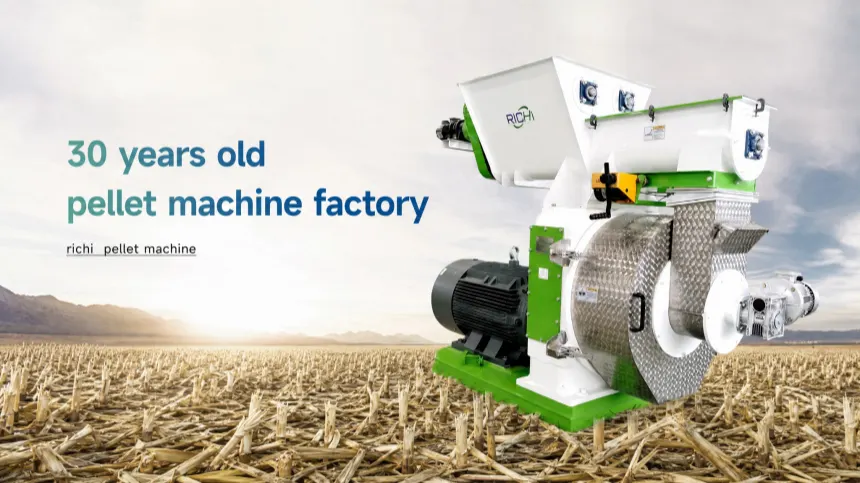
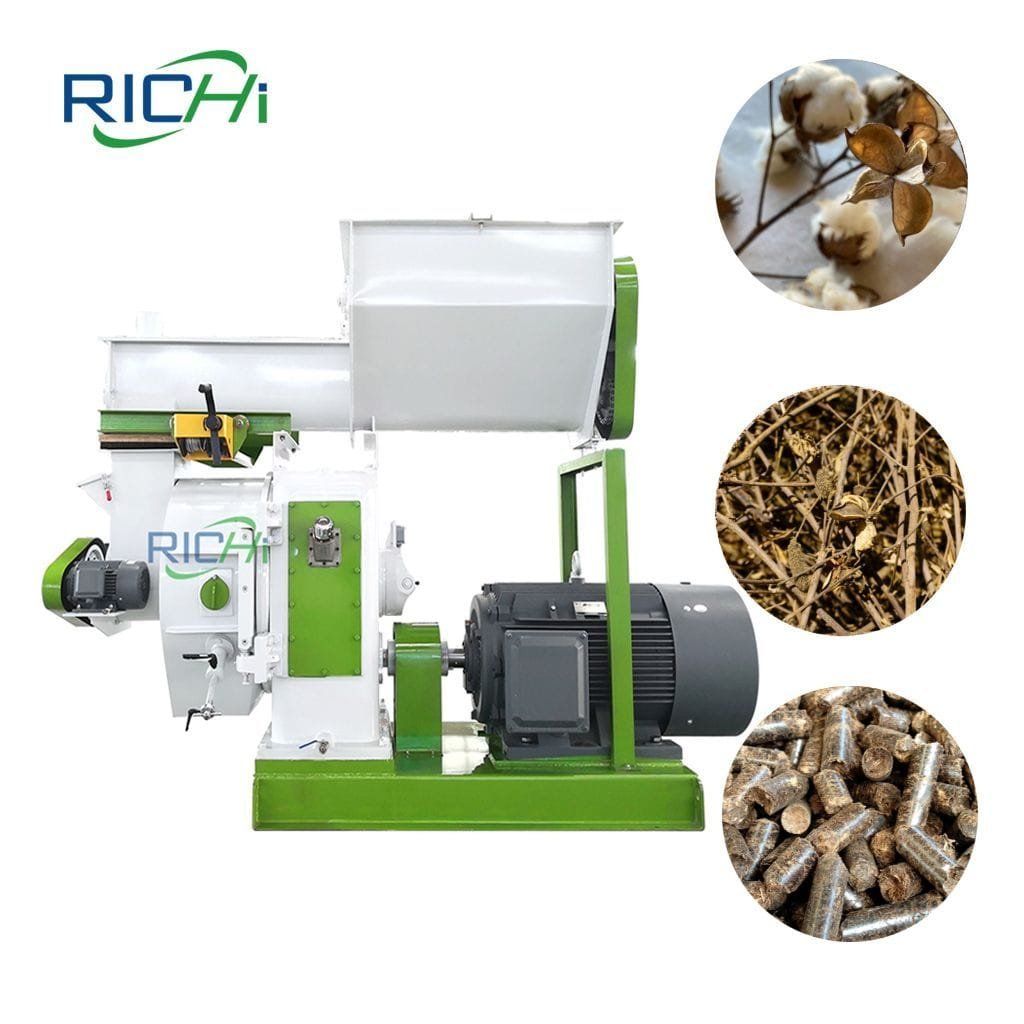
Sawdust, a ubiquitous by-product of the timber and woodworking industries, is one of the most cost-effective and readily available feedstocks for biomass pellet production. A high-performance sawdust pellet machine can process this fine-particle waste material into dense, uniform pellets with excellent combustion properties. Because sawdust naturally has low moisture content and small particle size, it often requires less pre-processing than coarser wood materials, reducing overall production costs.
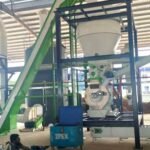
Designing an Efficient Wood Pellet Processing Plant
The layout and configuration of a wood pellet processing plant built around sawdust feedstock differs in several respects from plants designed for chipped wood or agricultural residues. Since particle size reduction is often minimal, the emphasis shifts to moisture control: sawdust from green lumber may have moisture content exceeding 50%, necessitating robust drying capacity before the pelleting stage. Drum dryers or belt dryers, sized to match the pellet mill’s throughput, are central to plant design.
Post-pelleting processes—cooling, screening, and packaging—are standard regardless of feedstock type. However, fine dust generation is higher with sawdust, making effective dust collection systems both an operational necessity and a regulatory compliance requirement.
Selecting the Right Machine for Your Sawdust Operation
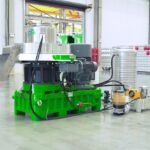
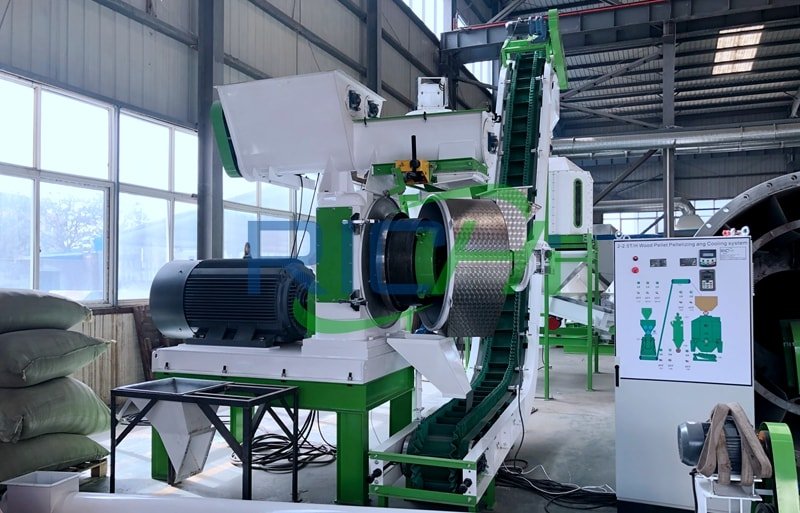
Sawdust’s fine particle size generally makes it compatible with both flat-die and ring-die pellet machines, but ring-die mills are preferred for commercial-scale production due to their higher throughput, more consistent pellet quality, and better suitability for continuous-duty operation. Die selection—particularly hole diameter and compression ratio—should be calibrated to sawdust particle size distribution and target pellet density.
For expert guidance on matching machine specifications to sawdust characteristics, click to find out more by consulting with experienced application engineers who can recommend the optimal configuration based on your specific wood species and moisture profile.
Richi Manufacture’s Sawdust Pelleting Solutions
With decades of experience processing diverse biomass materials, Richi manufacture has developed specialized dies and roller configurations optimized specifically for sawdust pelleting. Their engineering team analyzes feedstock samples before recommending equipment, ensuring that die compression ratio, ring-die inner diameter, and motor power are precisely matched to maximize output quality and energy efficiency.
Richi also provides comprehensive plant design services for sawdust pellet operations, including material flow simulation, utility consumption analysis, and environmental impact assessment to support permit applications.
Profitability of Sawdust Pellet Production
Sawdust pellet production enjoys favorable economics in regions where timber processing is active and sawdust disposal is a cost burden for mills. By converting a waste stream into a premium energy product, operators can simultaneously eliminate disposal costs and generate revenue from pellet sales. Premium-grade sawdust pellets—meeting ENplus or PFI certification standards—command the highest market prices and access export markets in Europe and Asia.
With careful equipment selection, efficient plant design, and a reliable supply of quality sawdust feedstock, a sawdust pellet plant can achieve an attractive return on investment within a competitive timeframe.