





Industries around the world are facing growing pressure to reduce carbon emissions and improve sustainability. As a result, renewable biomass fuel has become one of the fastest-growing sectors in industrial energy.
Among the many available biomass resources, rice husk is especially attractive because of its enormous global supply. Rice-producing countries generate millions of tons of husk every year, creating a reliable raw material source for biomass fuel production.
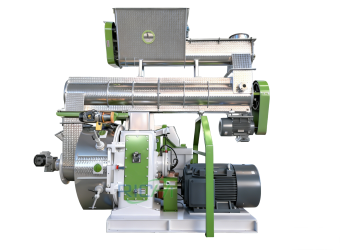
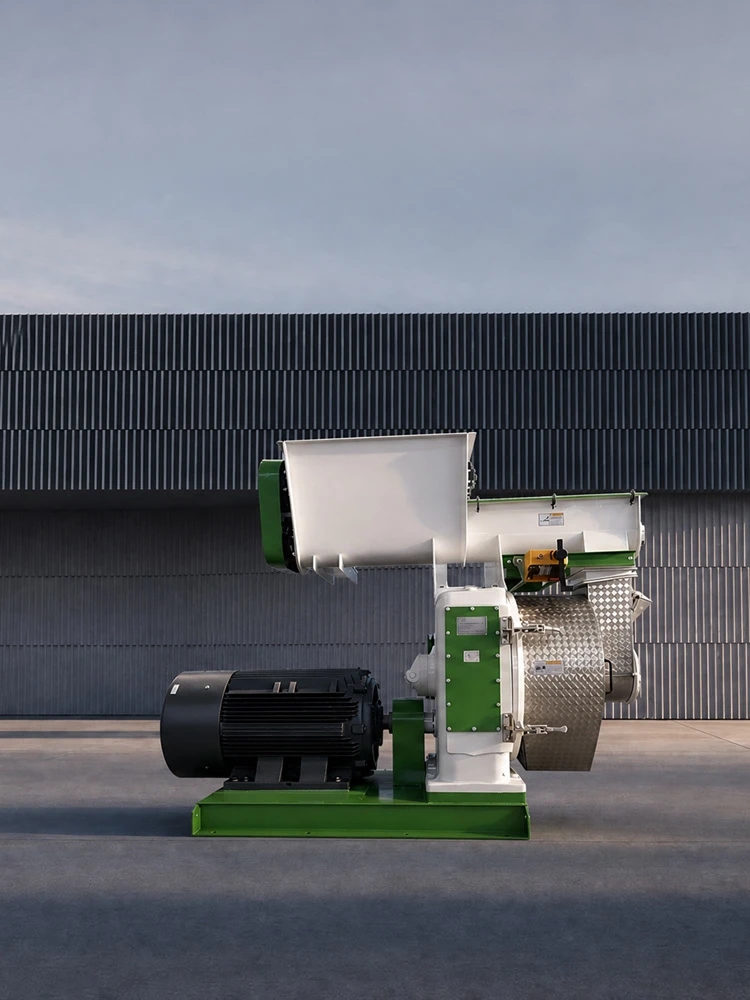
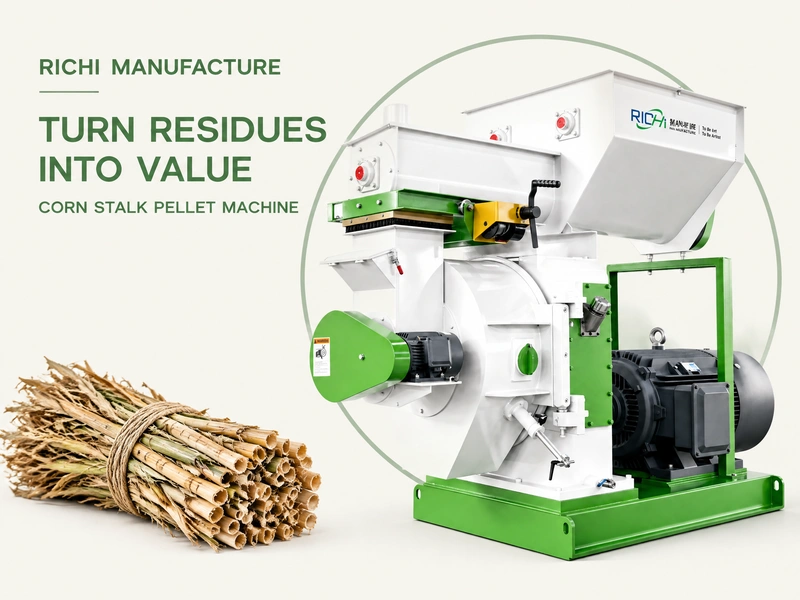
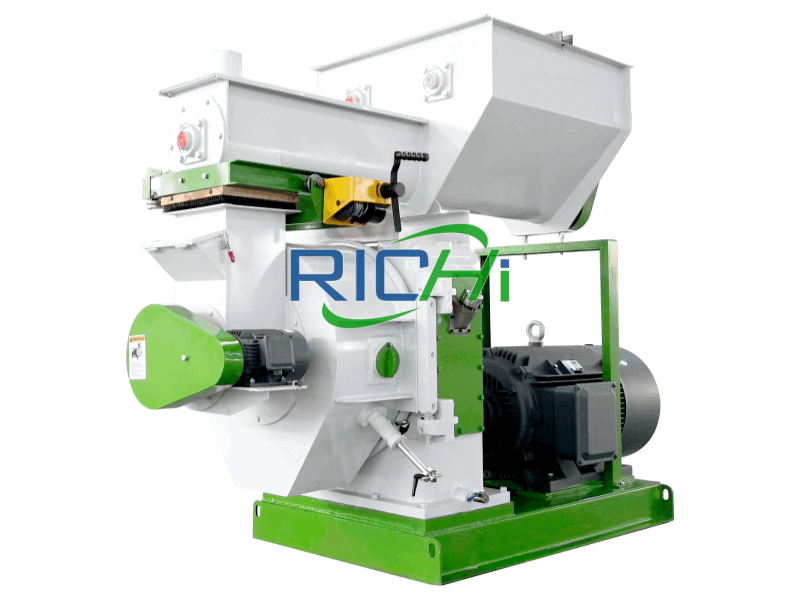
The rapid expansion of the biomass industry has significantly increased demand for the husk pellet mill.
The Economic Value of Rice Husk Processing
Rice husk was once considered a low-value agricultural residue. Today, advanced pelletizing technology allows producers to convert this byproduct into profitable biomass fuel.
Pelletized rice husk offers several commercial advantages:
- Higher energy density
- Easier transportation
- Lower storage costs
- Better combustion efficiency
- Stronger export potential
This transformation has created new opportunities for rice mills, biomass investors, and renewable energy developers.
How Industrial Pellet Plants Operate
A modern biomass pellet facility typically includes several major processing stages.
Raw Material Collection
Rice husk is transported from agricultural processing facilities.
Drying
Moisture levels are adjusted for optimal pelletizing.
Pellet Compression
Ring die pellet mills compress biomass into dense cylindrical pellets.
Cooling and Screening
Pellets are stabilized and cleaned.
Packaging and Delivery
Finished products are prepared for industrial customers.
A high-capacity 5-6 T/H industrial straw pellet plant solution can often be adapted for multiple agricultural biomass materials, including rice husk and straw blends.
Why Industries Prefer Biomass Pellets
Cleaner Combustion
Biomass fuel produces lower emissions than coal.
Stable Fuel Feeding
Pellets support automated boiler systems.
Renewable Energy Compliance
Many industries use biomass fuel to meet environmental targets.
Lower Transportation Costs
Pellets are more compact than loose biomass.
Sustainable Resource Utilization
Agricultural waste gains commercial value.
These benefits continue increasing industrial demand for pellet fuel.
Important Factors for Pellet Plant Success
Raw Material Stability
Consistent feedstock supply is essential.
Equipment Durability
Rice husk requires wear-resistant pellet systems.
Energy Efficiency
Optimized systems lower production costs.
Skilled Operation
Experienced operators improve production consistency.
Technical Support
Reliable service minimizes downtime.
Many companies entering the biomass industry invest in advanced pellet machine for sale solutions with intelligent automation and customized engineering.
The Role of Technology in Biomass Expansion
Modern pellet plants increasingly adopt advanced technologies.
PLC Automation
Automated control systems improve operational efficiency.
Intelligent Monitoring
Real-time data analysis reduces production instability.
Heavy-Duty Components
Improved materials extend equipment lifespan.
Energy-Saving Motors
Efficient motors reduce electricity consumption.
Technology continues driving major improvements across the biomass industry.
International Demand for Biomass Pellets
Global pellet consumption continues increasing.
European Markets
Renewable heating policies support biomass imports.
Asian Markets
Industrial growth increases renewable fuel demand.
African Markets
Biomass projects help reduce dependence on wood fuel.
South American Markets
Agricultural industries create abundant biomass resources.
Investors researching international biomass opportunities often review project cases and technical a knockout post articles to better understand market trends.
Common Operational Challenges
Equipment Wear
Rice husk abrasion affects dies and rollers.
Moisture Fluctuations
Incorrect moisture reduces pellet quality.
Dust Management
Proper ventilation systems are important.
Energy Costs
Efficient system design lowers operational expenses.
Professional engineering support helps reduce these operational risks.
Biomass Fuel and Environmental Sustainability
Biomass pellets contribute to environmental sustainability by:
- Recycling agricultural waste
- Reducing open-field burning
- Supporting renewable energy development
- Lowering greenhouse gas emissions
- Promoting cleaner industrial heating
Governments worldwide continue supporting renewable biomass initiatives through energy transition policies.
Future Trends in Pellet Manufacturing
Future pellet production systems are expected to focus on:
- Greater automation
- AI-assisted production optimization
- Improved energy efficiency
- Better wear-resistant materials
- Smart maintenance monitoring
These innovations will help biomass producers achieve higher efficiency and lower operational costs.
(Related Post: https://biomasspelletizer.com/peanut-shell-pellet-machine/)
Conclusion
Rice husk pellet production represents a major opportunity within the renewable energy industry. Advanced pelletizing systems transform agricultural waste into valuable industrial fuel while supporting environmental sustainability and cleaner energy development.
As global demand for biomass fuel continues increasing, businesses investing in modern pellet production technology are positioned for strong long-term growth. Efficient equipment, intelligent automation, and reliable operational management will remain essential factors in building successful biomass pellet manufacturing projects.