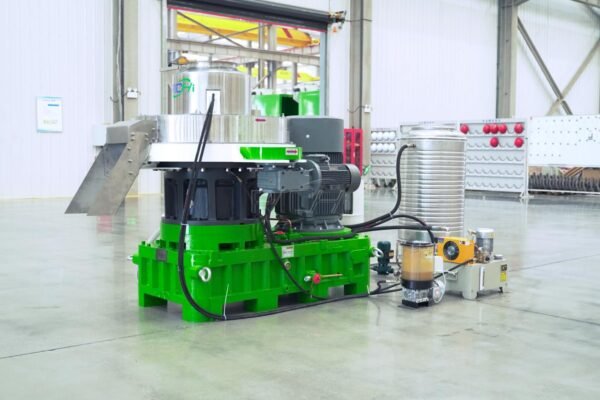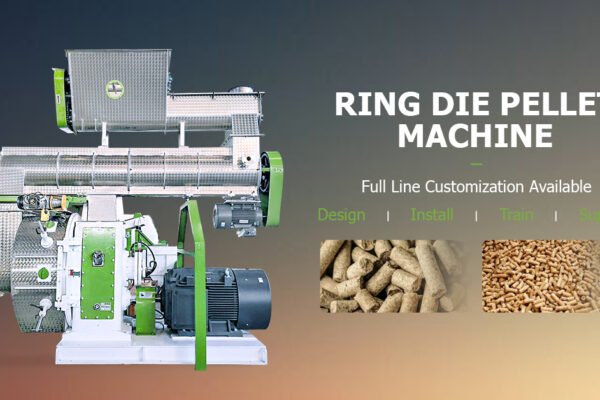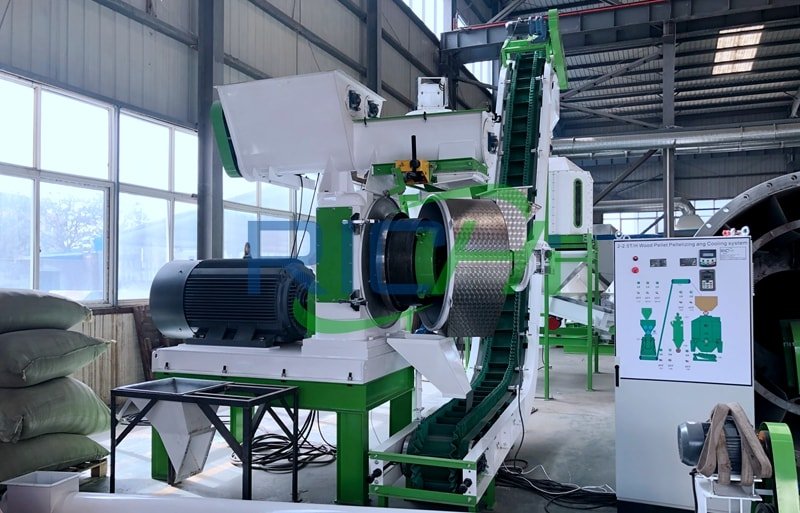


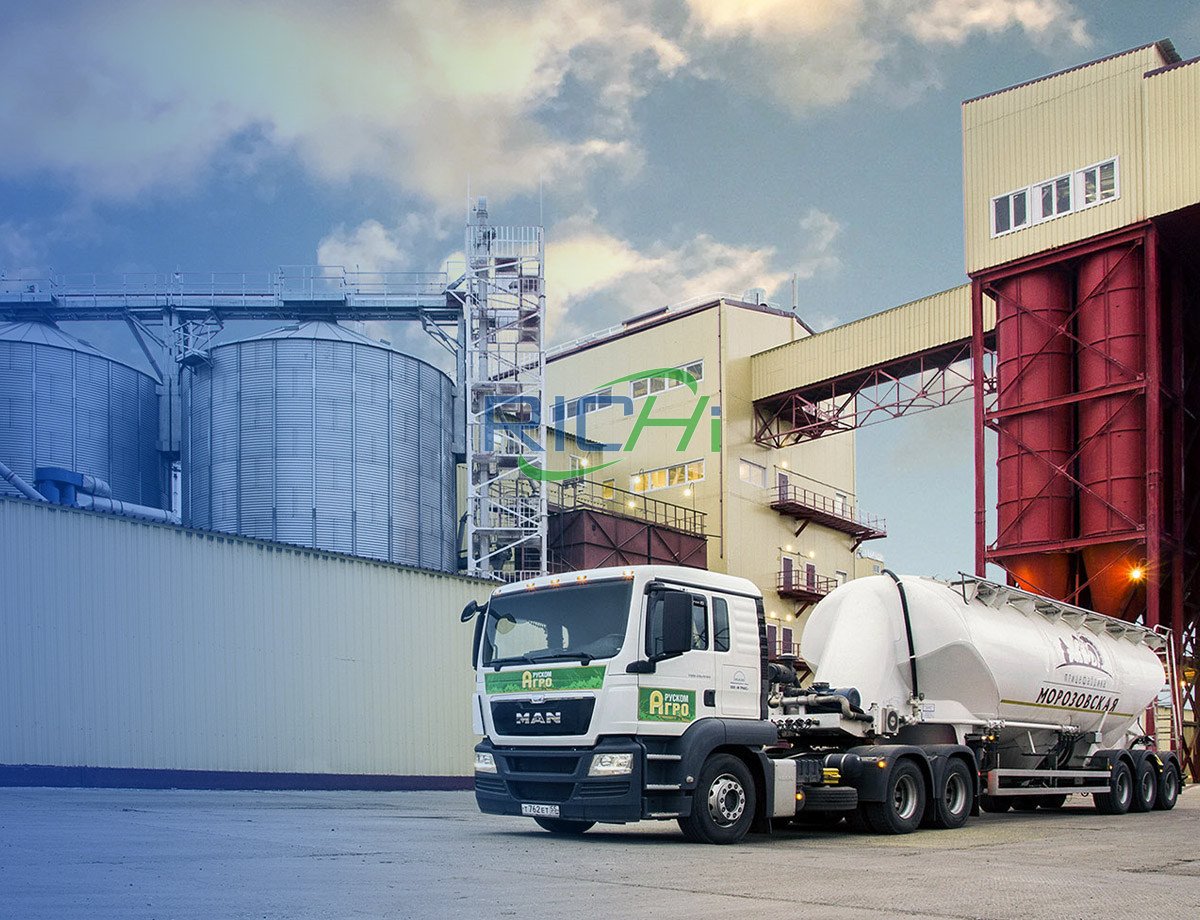
animal feed processing plant in New Zealand

Water Resource Requirements and Cost Implications for a 2 t/h Aqua Feed Plant in Different Regions

The aquaculture industry has experienced remarkable growth worldwide, leading to an increased demand for efficient and cost-effective aqua feed production. A 2 tons per hour (t/h) aqua feed plant represents a medium-scale investment, and its water resource requirements can significantly impact operational costs. This article examines how water resource needs influence the costs of operating…

Read Full News

How to Choose Grass Pellet Machine?

Selecting the right grass pellet machine is crucial for efficient and cost-effective production of grass pellets, whether for animal feed or biomass fuel. With various options available in the market, it’s essential to consider several factors to ensure you choose a machine that best suits your needs. This comprehensive guide will walk you through the…

Read Full News
biomass pellet mill for vegetable waste pelletizing

Why Should Engineering Capability Matter As Much As Machine Manufacturing Capability?

Pellet plant buyers often spend most of their evaluation time on machines: pellet mill power, die size, grinder capacity, cooler model, gearbox brand, and steel thickness. Those details matter, but a complete plant succeeds or fails as a system. Engineering capability determines whether the individual machines are selected correctly, arranged logically, connected safely, supplied with…

Read Full News

Wood Pellet Mill Machine: Understanding the Technology Powering the Global Biomass Pellet Industry

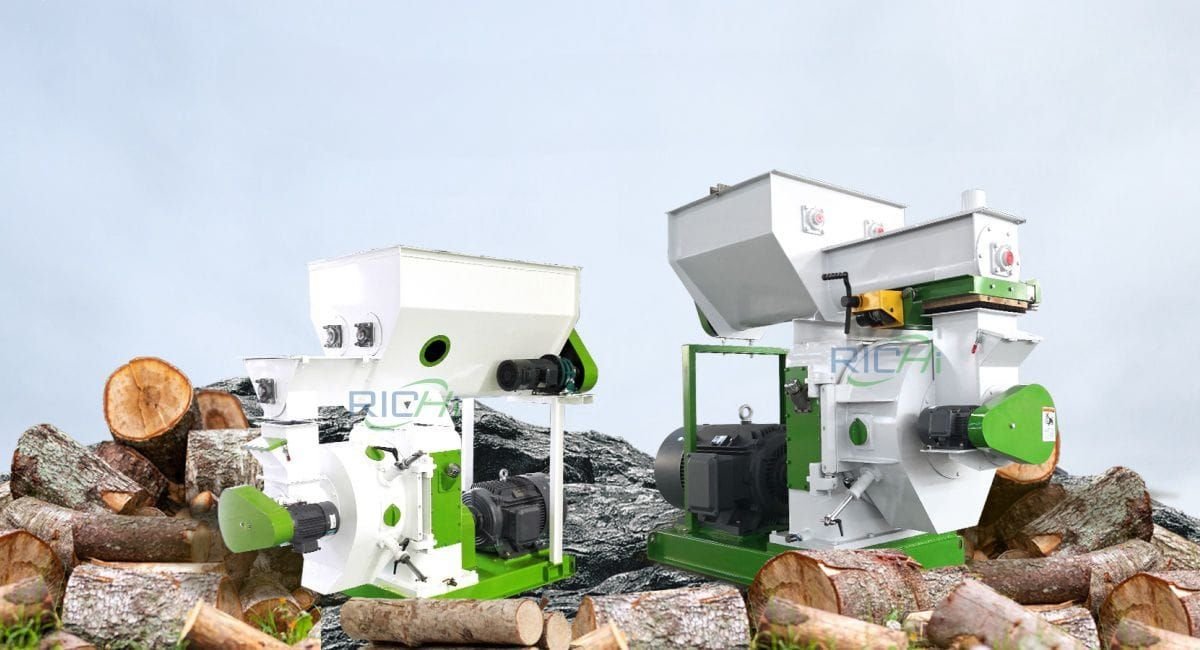
Introduction to Wood Pellet Mill Machines A wood pellet mill machine is a specialized mechanical system designed to convert wood-based biomass materials into compact, energy-dense pellets through compression and extrusion. These machines form the core of modern biomass pellet plants and play a vital role in renewable energy production, waste utilization, and sustainable industrial development….

Read Full News

What Should You Consider Before Turning Hay into Pellets?

Hay is one of the most widely available fibrous agricultural materials, but handling it efficiently can become challenging when production volumes increase. Loose hay occupies considerable storage space, varies in moisture, and can be difficult to transport and feed automatically. Converting it into pellets offers a practical way to improve density, consistency, handling, and storage….

Read Full News

Sawdust Pellet Machine: Turning Wood Waste into Profitable Biomass Fuel

Why Sawdust Is an Ideal Pellet Feedstock Sawdust, a ubiquitous by-product of the timber and woodworking industries, is one of the most cost-effective and readily available feedstocks for biomass pellet production. A high-performance sawdust pellet machine can process this fine-particle waste material into dense, uniform pellets with excellent combustion properties. Because sawdust naturally has low moisture…

Read Full News
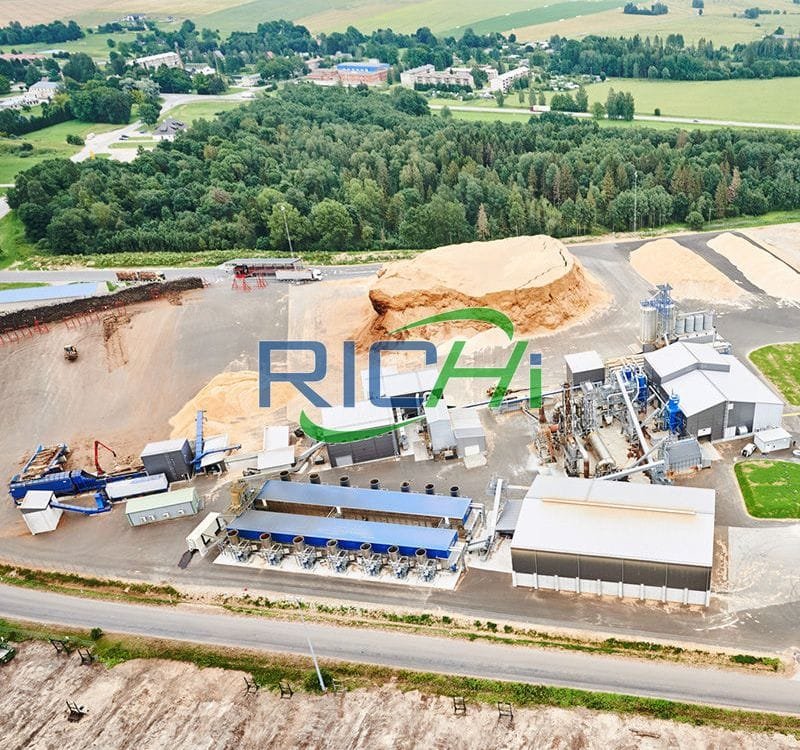
wood pellet plant construction

About wood pellet plant construction

Constructing a wood pellet plant is pivotal in advancing our journey towards sustainable energy. From site selection to commissioning, every step demands meticulous planning and adherence to rigorous standards. Let’s dive into the intricacies of building these facilities. As the world embraces renewable energy, wood pellet making lines stand as beacons of sustainability. By upholding…

Read Full News

What Maintenance Tasks Are Required For Sinking Fish Feed Pellet Mills, And How Often Should They Be Performed?

Sinking fish feed pellet mills require regular maintenance to ensure that they run efficiently and produce high-quality pellets consistently. Right here are several of the maintenance tasks that are required for sinking fish feed pellet mills, and how often they must be performed: 1. Lubrication. The bearings, rollers, and various other moving parts of a…

Read Full News

    * We understand that privacy is important to you, so we will only answer the questions you ask and will not disclose your information to third parties.