





As the world seeks cleaner and more sustainable energy solutions, biomass pellets have emerged as an important renewable fuel source. Produced from organic materials such as wood waste, agricultural residues, and forestry by-products, biomass pellets offer an environmentally friendly alternative to fossil fuels. Their high energy density, ease of transportation, and lower carbon footprint make them increasingly popular in residential heating, industrial boilers, and power generation facilities.
Governments, industries, and energy producers worldwide are investing heavily in biomass pellet production to reduce greenhouse gas emissions and promote sustainable development. This article explores how biomass pellets contribute to sustainable energy development, their environmental and economic benefits, and the growing role of pellet manufacturing technologies in the renewable energy sector.
Understanding Biomass Pellets
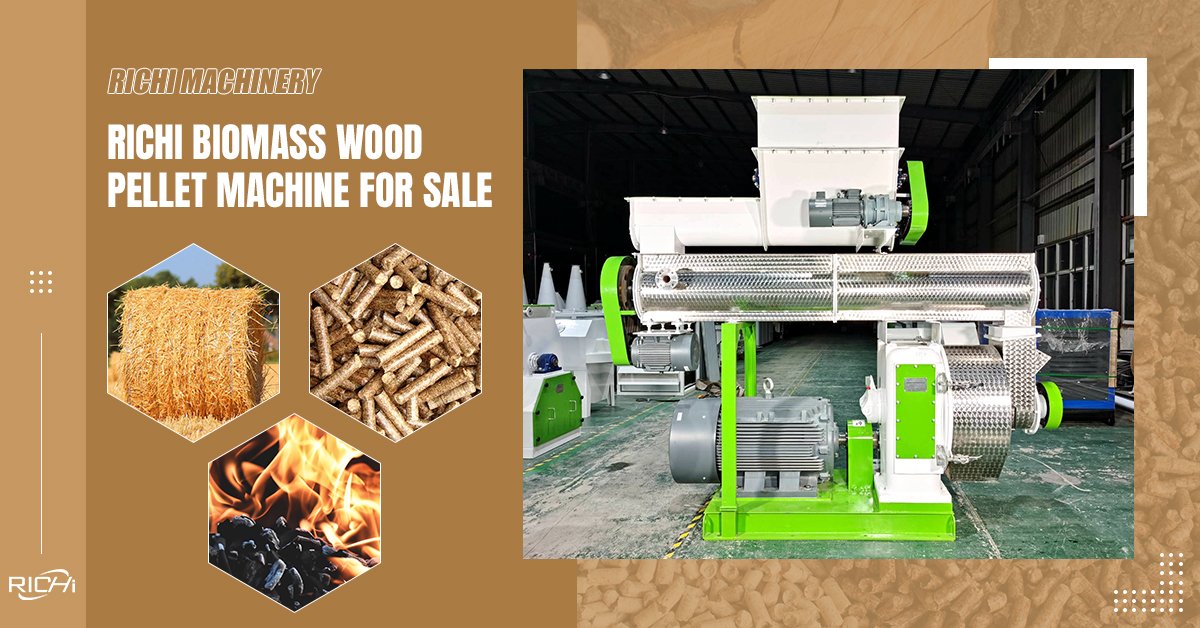
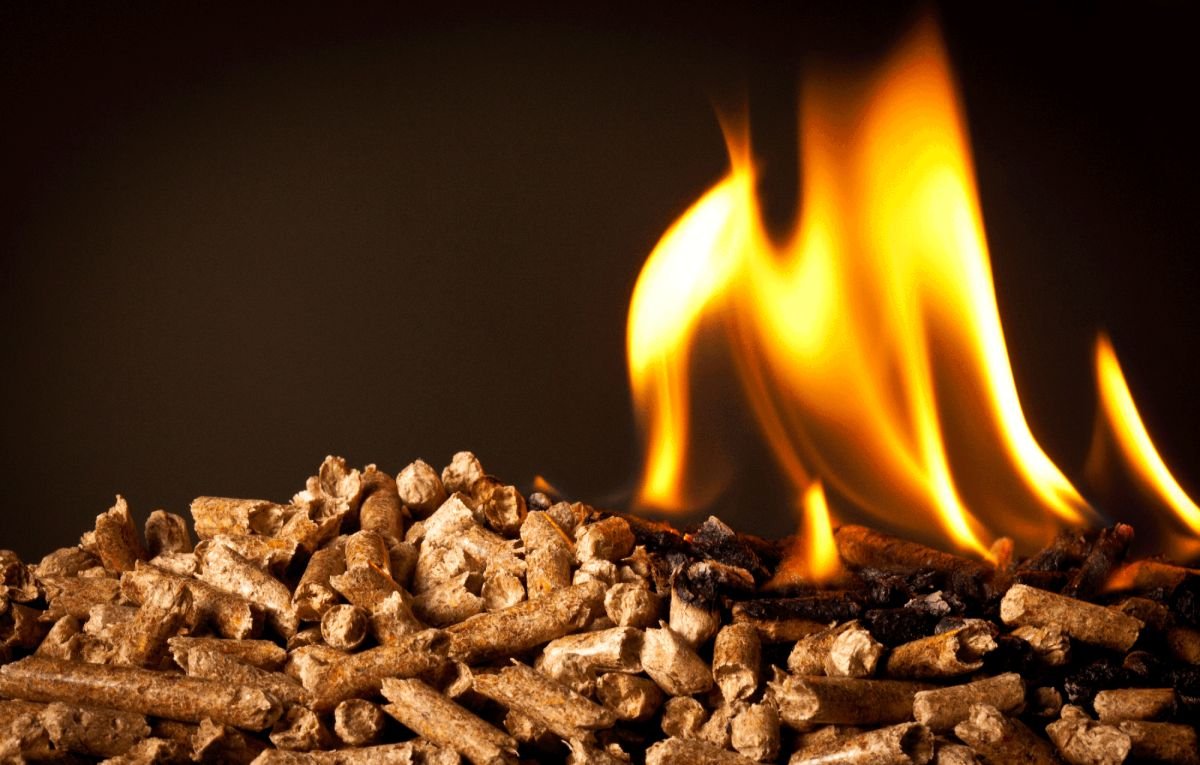
Biomass pellets are compressed cylindrical fuels made from renewable organic materials. Common raw materials include:
- Sawdust
- Wood chips
- Forestry residues
- Agricultural straw
- Corn stalks
- Rice husks
- Coconut shells
- Sugarcane bagasse
These materials are dried, ground, and compressed under high pressure through pellet mills to create dense fuel pellets. The compression process increases energy density while reducing storage and transportation costs.
Compared with loose biomass materials, pellets provide:
- Higher combustion efficiency
- Uniform size and quality
- Easier handling
- Reduced moisture content
- Lower transportation expenses
As a result, biomass pellets have become one of the most practical forms of renewable solid fuel.
The Growing Need for Sustainable Energy
Global energy demand continues to rise due to population growth, urbanization, and industrial development. However, dependence on fossil fuels presents several challenges:
Climate Change
Burning coal, oil, and natural gas releases significant amounts of carbon dioxide into the atmosphere, contributing to global warming.
Resource Depletion
Fossil fuel reserves are finite and become increasingly expensive to extract as easily accessible resources diminish.
Energy Security
Many countries rely heavily on imported fossil fuels, making them vulnerable to supply disruptions and price fluctuations.
Environmental Pollution
Traditional energy sources contribute to air pollution, acid rain, and environmental degradation.
To address these challenges, governments and industries are accelerating the transition toward renewable energy sources, including solar, wind, hydropower, and biomass energy.
Why Biomass Pellets Are Considered Renewable
Biomass pellets are often regarded as carbon-neutral because the carbon dioxide released during combustion is roughly equivalent to the carbon absorbed by plants during growth.
Unlike fossil fuels, which release carbon stored underground for millions of years, biomass participates in a relatively short carbon cycle.
When sustainably managed forests and agricultural systems continuously regenerate biomass resources, pellet production can maintain a balanced carbon footprint.
This renewable characteristic makes biomass pellets a valuable component of national decarbonization strategies.
Reducing Greenhouse Gas Emissions
One of the primary contributions of biomass pellets to sustainable energy development is their ability to reduce greenhouse gas emissions.
Coal-fired power plants are among the largest sources of carbon emissions worldwide. Many facilities are now partially or fully replacing coal with biomass pellets.
Benefits include:
- Lower net carbon emissions
- Reduced sulfur dioxide emissions
- Lower nitrogen oxide emissions
- Decreased particulate pollution
Even co-firing biomass pellets with coal can significantly reduce a power plant’s overall environmental impact.
As emission regulations become stricter, biomass pellets provide a practical pathway for industries seeking compliance while maintaining energy production capacity.
Supporting Circular Economy Principles
Biomass pellet production transforms waste materials into valuable energy products.
Large quantities of agricultural and forestry residues are generated annually, including:
- Wheat straw
- Corn stalks
- Rice husks
- Wood processing residues
- Logging waste
Without proper utilization, these materials may be burned openly, landfilled, or left to decompose, releasing greenhouse gases and creating environmental issues.
Pelletization converts these low-value residues into high-value fuel, supporting circular economy principles by:
- Minimizing waste
- Increasing resource efficiency
- Creating additional revenue streams
- Reducing environmental pollution
This approach aligns with global sustainability goals and resource conservation efforts.
Enhancing Rural Economic Development
Biomass pellet industries often develop in rural areas where raw materials are readily available.
The establishment of pellet manufacturing facilities creates employment opportunities across multiple sectors:
Agriculture
Farmers can earn additional income by selling crop residues previously considered waste.
Forestry
Forest owners and logging companies can monetize wood waste and thinning materials.
Transportation
Biomass supply chains require transportation services for raw material collection and pellet distribution.
Manufacturing
Pellet plants create jobs in equipment operation, maintenance, quality control, and administration.
As a result, biomass pellet production stimulates rural economic growth while promoting renewable energy development.
Improving Energy Security
Countries that rely heavily on imported fossil fuels face significant energy security risks.
Biomass pellets offer a locally sourced energy solution by utilizing domestic agricultural and forestry resources.
Benefits include:
- Reduced dependence on imported fuels
- Enhanced energy diversification
- Greater price stability
- Improved supply chain resilience
By developing local biomass industries, nations can strengthen their energy independence while supporting environmental objectives.
Biomass Pellets in Industrial Applications
Industrial facilities consume enormous amounts of thermal energy.
Industries increasingly use biomass pellets for:
- Steam generation
- Process heating
- Industrial boilers
- Combined heat and power systems
Compared with traditional fossil fuels, biomass pellets provide a cleaner and more sustainable alternative.
Many food processing plants, textile manufacturers, chemical facilities, and agricultural enterprises have successfully integrated pellet-fired systems into their operations.
The growing adoption of biomass fuels demonstrates their practicality in large-scale energy applications.
Biomass Pellets for Power Generation
Electricity generation represents one of the largest opportunities for biomass pellet utilization.
Power plants can use pellets through:
Dedicated Biomass Plants
Facilities specifically designed to burn biomass fuel.
Co-Firing Systems
Existing coal power plants partially replace coal with biomass pellets.
Biomass Combined Heat and Power (CHP)
Systems simultaneously produce electricity and useful heat, maximizing energy efficiency.
These technologies help countries achieve renewable energy targets while utilizing existing infrastructure.
The Role of Pellet Production Technology
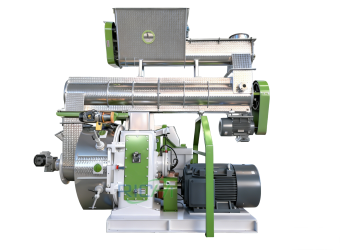
The quality and efficiency of biomass pellet production largely depend on advanced pellet manufacturing equipment.
(Learn mpre about automatic wood pellet production line price)
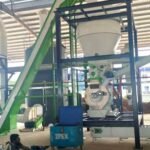
Modern pellet plants typically include:
- Raw material crushers
- Drying systems
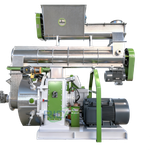
- Pellet mills
- Cooling equipment
- Screening systems
- Packaging units
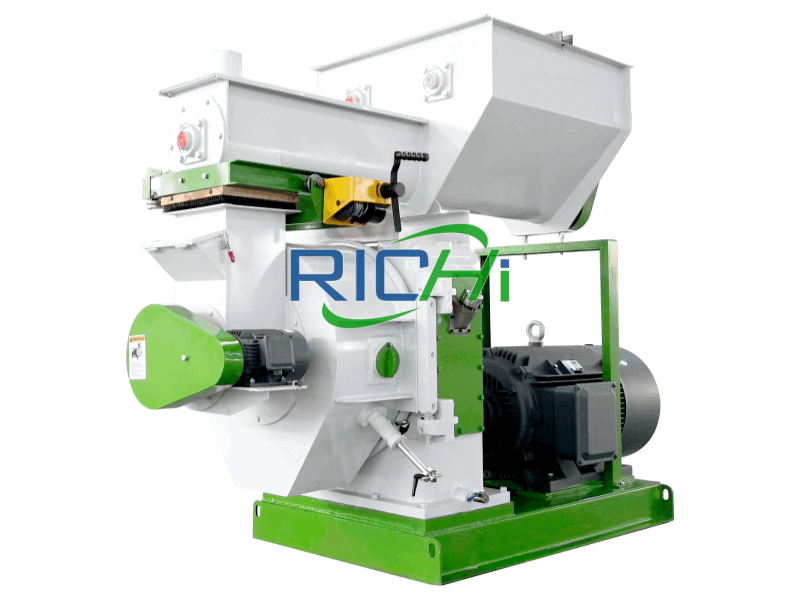
Among these components, the pellet mill is the core machine responsible for compressing biomass into durable pellets.
Advancements in pellet mill technology have improved:
- Production capacity
- Pellet density
- Energy efficiency
- Equipment reliability
- Product consistency
These improvements have made biomass pellet production increasingly competitive in global energy markets.
Factors Influencing Wood Pellet Mill Price
For investors entering the biomass energy industry, equipment costs are a major consideration.
One of the most frequently researched topics is the wood pellet mill price, which can vary significantly depending on several factors.

Production Capacity
Larger pellet mills generally cost more but offer higher output and lower production costs per ton.
Equipment Configuration
Complete pellet production lines include crushers, dryers, coolers, and packaging systems, increasing overall investment.
Automation Level
Advanced automation systems improve efficiency and reduce labor requirements but may increase equipment costs.
Raw Material Characteristics
Different biomass materials require specialized processing equipment, influencing the final investment.
Manufacturer Reputation
Well-established manufacturers often provide higher-quality equipment, technical support, and longer service life.
When evaluating a wood pellet mill price, investors should consider not only the initial purchase cost but also operating expenses, maintenance requirements, and long-term productivity.
https://richipelletizer.com/wood-pellet-mill-price
Environmental Benefits Beyond Carbon Reduction
Biomass pellets provide several environmental advantages beyond greenhouse gas mitigation.
Waste Management
Pelletization offers an effective solution for managing agricultural and forestry residues.
Forest Health
Utilizing thinning materials and forestry residues can improve forest management and reduce wildfire risks.
Reduced Open Burning
Farmers often burn crop residues in fields, creating air pollution. Pellet production provides an alternative utilization pathway.
Lower Landfill Usage
Organic waste diverted into pellet production reduces landfill volumes and associated methane emissions.
These benefits contribute to broader environmental sustainability objectives.
Global Market Growth for Biomass Pellets
The global biomass pellet market has experienced substantial growth over the past decade.
Several factors are driving demand:
- Renewable energy policies
- Carbon reduction commitments
- Rising fossil fuel costs
- Industrial decarbonization initiatives
- Increasing energy security concerns
Major pellet-producing regions include:
- North America
- Europe
- South America
- Southeast Asia
Countries such as Germany, Sweden, Denmark, Japan, and South Korea continue expanding biomass energy investments.
This growing demand creates significant opportunities for pellet producers and equipment manufacturers.
Challenges Facing Biomass Pellet Development
Despite numerous advantages, biomass pellet industries face several challenges.
Feedstock Availability
Consistent raw material supply is essential for stable production.
Transportation Costs
Biomass materials are often bulky before processing, increasing logistics expenses.
Sustainability Certification
Many markets require proof that biomass feedstocks originate from sustainably managed sources.
Initial Investment
Pellet production facilities require substantial capital investment in equipment and infrastructure.
Addressing these challenges through technological innovation and effective supply chain management is critical for continued industry growth.
Future Prospects of Biomass Energy
The future of biomass pellets remains promising as global efforts to achieve carbon neutrality accelerate.
Emerging trends include:
- Advanced pellet manufacturing technologies
- Smart production systems
- Improved feedstock utilization
- Integrated biomass energy solutions
- Expansion of international pellet trade
As governments implement stronger renewable energy policies, biomass pellets are expected to play an increasingly important role in sustainable energy systems.
Continued innovation will further improve efficiency, reduce costs, and expand the range of biomass resources suitable for pellet production.(best site)
Conclusion
Biomass pellets have become a vital component of sustainable energy development by transforming renewable organic materials into efficient, low-carbon fuel. Their ability to reduce greenhouse gas emissions, support waste recycling, enhance energy security, and stimulate rural economic growth makes them an attractive alternative to fossil fuels.
As demand for renewable energy continues to increase, biomass pellet production will remain a key industry supporting global decarbonization efforts. Advances in pellet manufacturing equipment, growing market opportunities, and increasing awareness of environmental sustainability are driving further investment in this sector. For businesses considering entry into the biomass energy market, understanding factors such as feedstock supply, production technology, and wood pellet mill price can help ensure long-term success in this rapidly expanding industry.