
The aquaculture industry is entering a new phase of transformation. As global seafood demand continues to rise, feed manufacturing is becoming one of the most strategically important segments in the entire food production chain. Unlike traditional agriculture sectors, aquaculture depends heavily on precision nutrition, controlled production environments, and highly efficient feed conversion systems.
Over the next decade, feed manufacturers will face increasing pressure from three main directions: rising raw material costs, stricter environmental regulations, and growing demand for high-performance aquatic feed products. These challenges are accelerating innovation across the industry.
The Shift From Traditional Production to Smart Manufacturing
In the past, feed production was largely mechanical and experience-based. Operators relied on manual adjustments and basic equipment configurations. Today, however, the industry is moving rapidly toward intelligent and data-driven production systems.
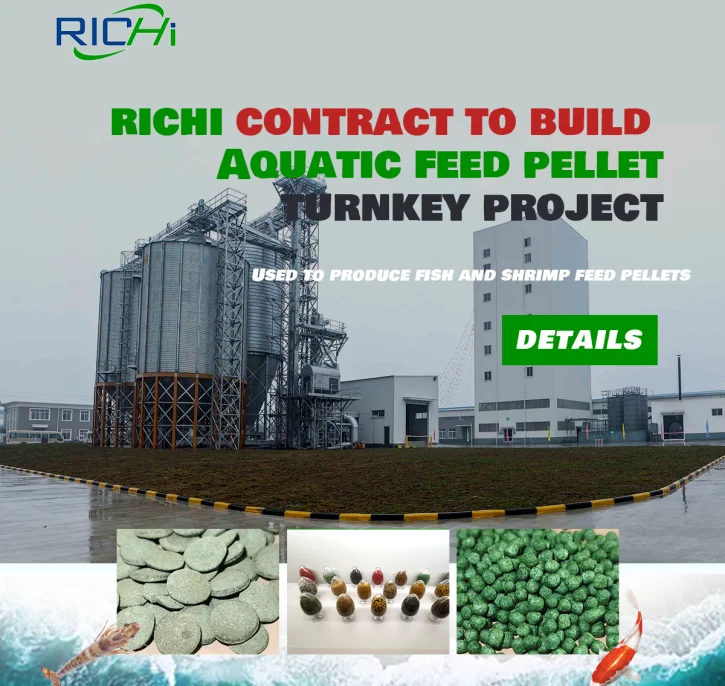
Modern facilities now integrate sensors, automation platforms, and real-time monitoring tools to improve consistency and reduce human error. This transformation is especially visible in large-scale aquafeed plant developments, where production efficiency and product quality must be maintained at industrial levels.
Smart manufacturing allows operators to control every stage of production, from raw material intake to final pellet packaging. This level of precision significantly improves feed quality and reduces operational waste.
Rising Demand for High-Performance Feed Plants
As aquaculture becomes more commercialized, producers are increasingly focused on scalable production systems that can support regional and export markets.
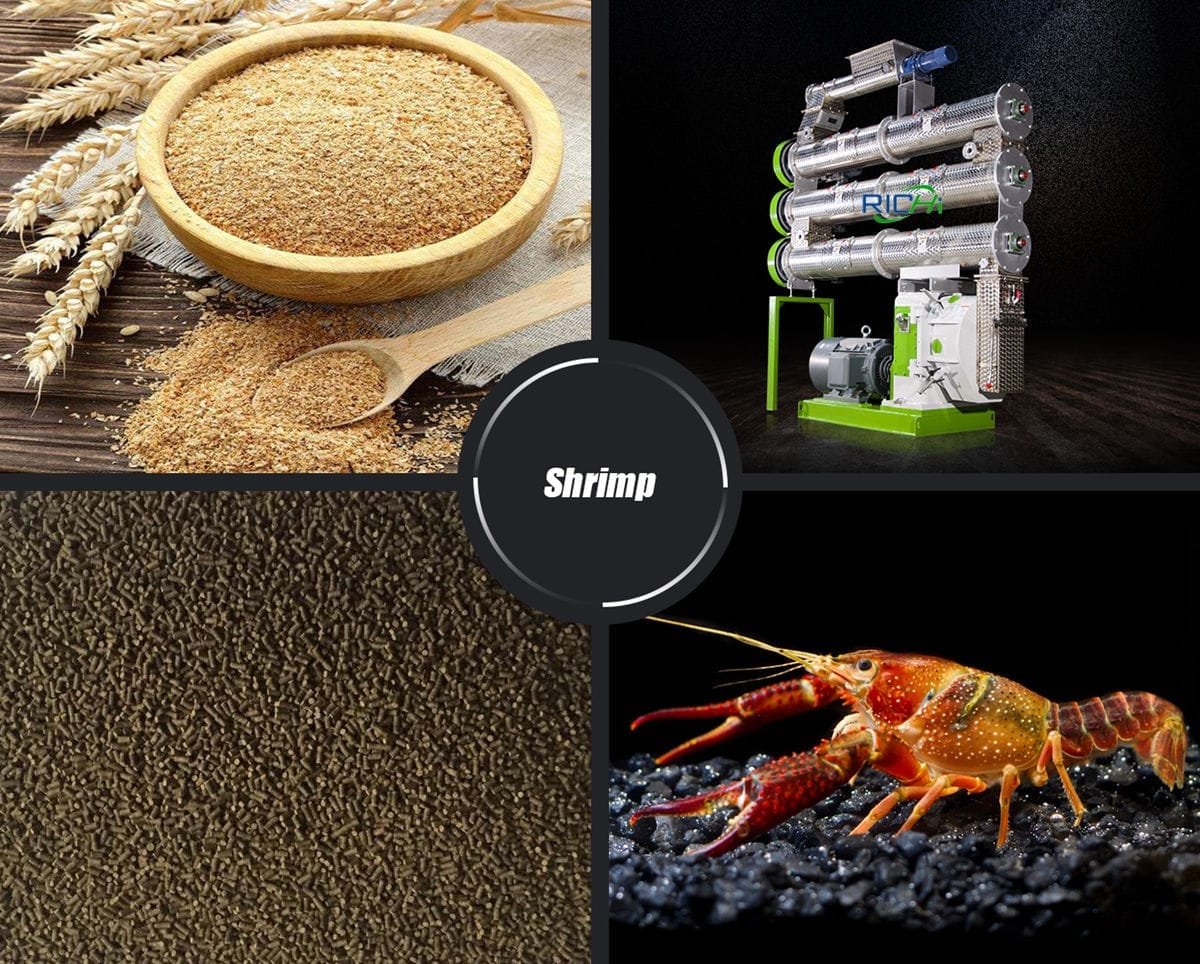
This has created strong global interest in turnkey solutions such as industrial shrimp feed plant solution, especially in countries expanding shrimp farming operations.
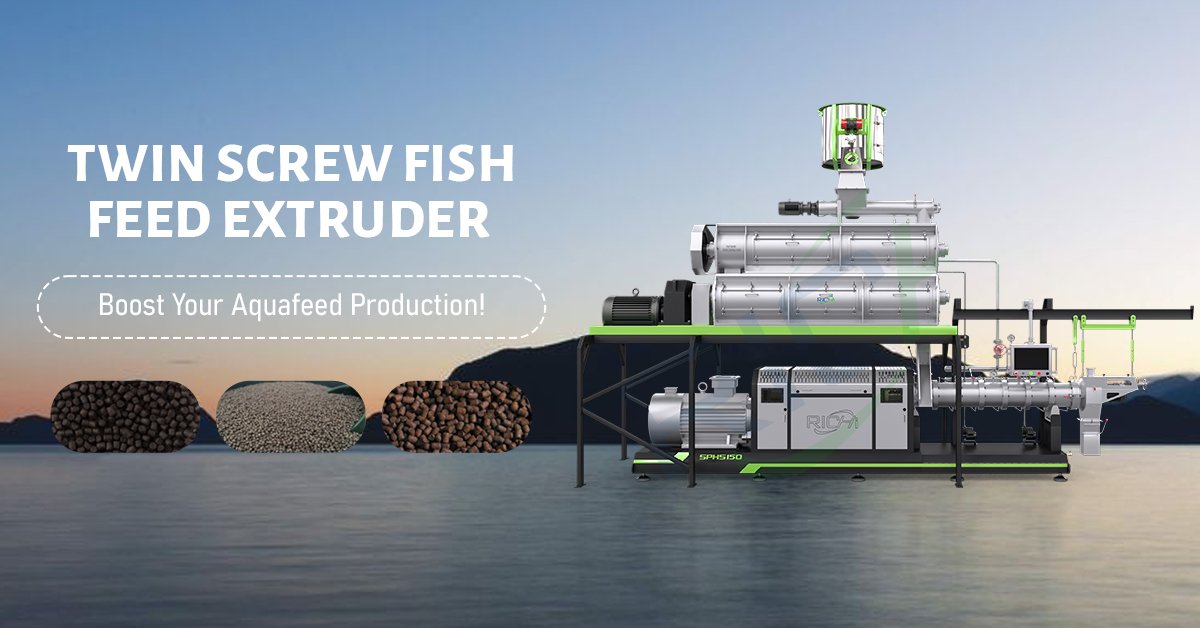
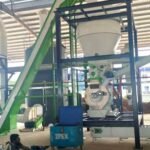
These systems are designed to integrate multiple production stages into a continuous workflow, including grinding, mixing, extrusion, drying, cooling, and packaging. By optimizing the entire process, manufacturers can achieve higher throughput while maintaining stable feed quality.
The ability to scale production efficiently is becoming a critical competitive advantage in the aquafeed industry.
Equipment Innovation Driving Industry Change
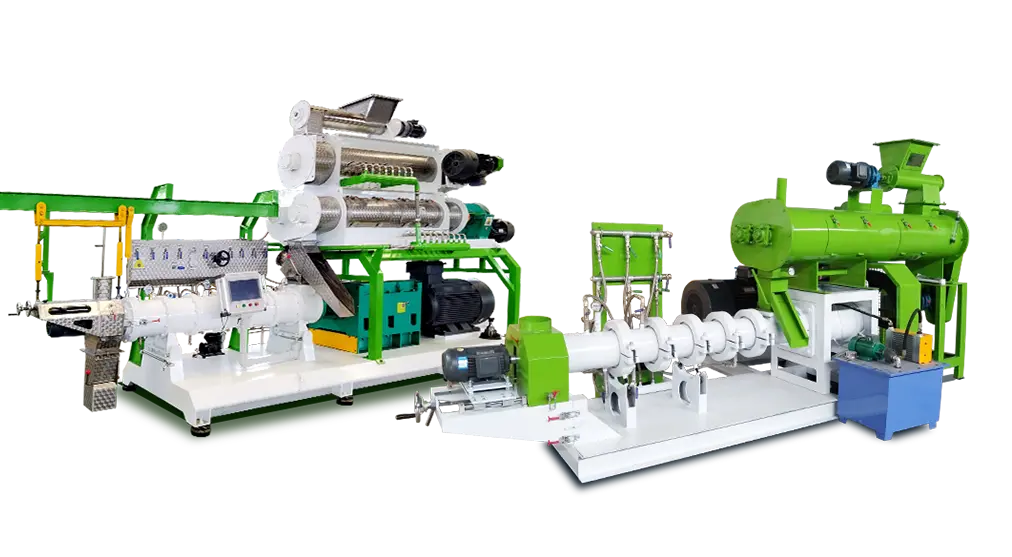
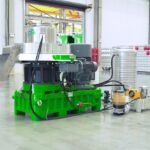
One of the most important factors shaping the future of feed manufacturing is equipment innovation. Modern machinery is becoming more energy-efficient, automated, and adaptable to different raw materials.
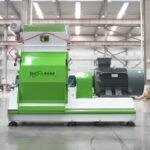
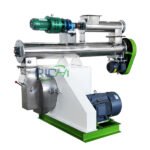
Advanced systems such as those developed by Richi Pellet Machine manufacturers are improving production accuracy and reducing downtime.
These innovations include:
- Improved extrusion stability
- Enhanced energy efficiency
- Better control of pellet density
- Reduced material waste
- Faster production changeover
As a result, feed manufacturers can respond more quickly to market changes and customer requirements.
Sustainability Is Now a Core Business Strategy
Environmental sustainability has moved from a secondary concern to a core industry requirement.
Feed manufacturers are now expected to minimize environmental impact across the entire production cycle. This includes reducing energy consumption, improving raw material utilization, and lowering nutrient discharge into aquatic ecosystems.
Sustainable production practices include:
- Optimized feed formulation to reduce waste
- Energy-efficient processing systems
- Recycling heat and steam in production lines
- Using alternative protein sources
- Reducing carbon footprint per ton of feed produced
These improvements not only benefit the environment but also enhance long-term profitability by reducing operational costs.
Market Competition Is Becoming More Global
The aquafeed market is no longer regional. Manufacturers now compete across continents, especially as international trade expands.
Companies that once operated locally are now facing competition from large-scale producers with advanced technology and lower production costs. This is driving smaller manufacturers to upgrade their facilities or risk losing market share.
In such a competitive environment, access to reliable technical knowledge becomes crucial. Many professionals rely on industry resources and technical references such as top article platforms to stay updated on global developments and best practices.
The Role of Automation and Digital Control Systems
Automation is no longer optional in modern feed production. It has become a standard requirement for competitive manufacturing.
Digital control systems help improve:
Production Accuracy
Automated dosing systems ensure precise ingredient ratios.
Operational Efficiency
Real-time monitoring reduces downtime and increases output.
Quality Consistency
Standardized processes ensure uniform pellet quality across batches.
Cost Control
Automation reduces labor requirements and operational waste.
These improvements are particularly important in large-scale aquaculture feed production where even small inefficiencies can lead to significant financial losses.
Raw Material Pressure and Ingredient Innovation
Another key challenge facing the industry is raw material volatility. Prices of fishmeal, soybean meal, and other key ingredients fluctuate significantly due to global supply chain disruptions and climate-related factors.
To address this, manufacturers are increasingly exploring alternative protein sources, including:
- Plant-based proteins
- Insect meal
- Fermented biomass
- Microalgae-based ingredients
These innovations help reduce dependency on traditional raw materials while maintaining nutritional performance.
Why Production Flexibility Matters More Than Ever
Modern feed manufacturers must be able to adapt quickly to changing market demands. This includes adjusting formulations, switching production lines, and responding to seasonal variations in demand.
Flexible production systems allow manufacturers to:
- Produce multiple feed types
- Adjust pellet sizes easily
- Switch between species-specific formulations
- Scale production up or down efficiently
This flexibility is becoming a defining feature of successful feed businesses.
Technology Integration as a Competitive Advantage
Companies that invest in integrated production systems are better positioned for long-term success. Integration allows different parts of the production process to work seamlessly together, reducing inefficiencies and improving output quality.
Manufacturers exploring new projects often evaluate technical resources such as find out here now references to better understand system design, equipment configuration, and operational strategies.
(Related Post: https://www.richipelletmill.com/fish-feed-production-line/)
Conclusion: A Rapidly Evolving Industry
The aquaculture feed manufacturing industry is undergoing rapid transformation. Driven by technology, sustainability requirements, and global market competition, the sector is becoming more advanced and more complex.
Future success will depend on how well manufacturers can integrate innovation, efficiency, and sustainability into their production systems. Companies that invest early in modern technology and intelligent production systems will be better positioned to lead in the global aquafeed market.
As the industry continues to evolve, staying informed and adopting advanced production strategies will remain essential for long-term competitiveness.