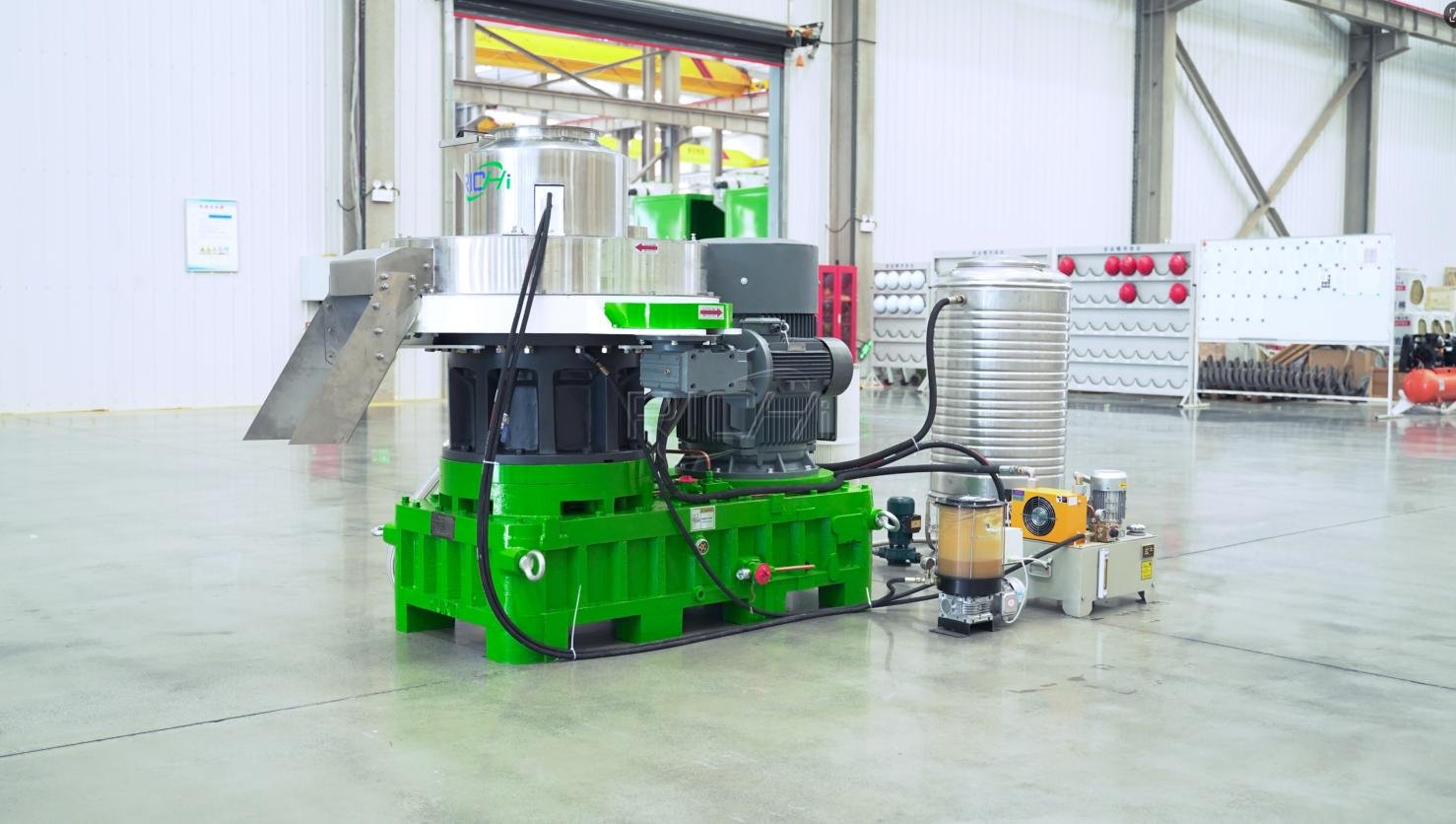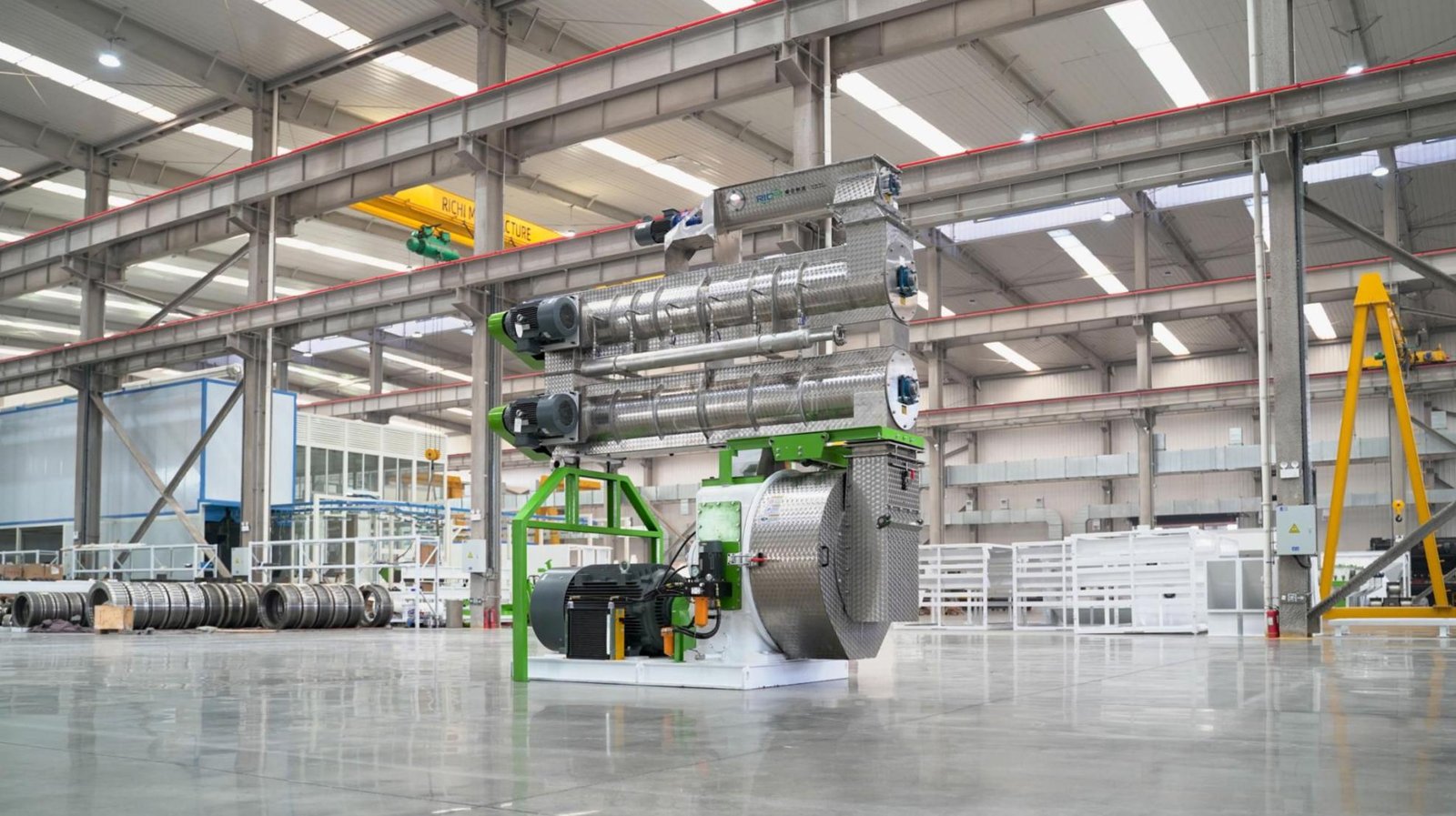


A wood pellet machine is not ready for commercial production simply because it can produce acceptable pellets during a short trial. The more important milestone is whether the plant can reproduce stable output with the same raw-material preparation, operating settings, utility conditions, and operator actions over an extended run. That is why the ramp-up stage should end with a documented acceptance baseline rather than only a verbal statement that the machine is working.
For a buyer commissioning a wood pellet machine, the final ramp-up record should connect production rate with the conditions that made that rate possible. Without that reference, future changes in moisture, particle size, die condition, feeder stability, cooling, or operator practice can make performance appear inconsistent even when the equipment itself is functioning normally.
Define Acceptance Around a Stable Operating Window
The first step is to define an operating window rather than a single best number. A short peak output does not prove that the plant can maintain that rate. The acceptance target should combine throughput, motor load, pellet quality, fines, temperature, and downstream stability over a sustained period.
This distinction is important because wood pellet production is highly sensitive to raw-material condition. A machine may briefly reach a high tonnage when material is ideal, but the commercial target should reflect the range the plant can hold without repeated overloads, unstable feeding, or excessive product loss.
Record the Raw Material Before Recording the Machine
Every ramp-up result should be tied to a defined raw-material condition. The record should include material type, approximate moisture, particle-size distribution, bulk density, contamination status, and whether the material is blended from multiple sources.
This matters because output cannot be interpreted correctly without knowing what entered the pelletizer. A change from dry sawdust to wetter mixed wood residues can alter feeder behavior, conditioning demand, motor load, die throughput, and cooling requirements. If the raw-material condition is not documented, later comparisons become unreliable.
Lock the Pre-Pelletizing Condition
The pellet mill should receive material within a repeatable range. The ramp-up team should therefore record the discharge condition from grinding and drying before focusing on the pelletizer itself. Moisture and particle size are especially important because both can change the way material compacts inside the die.
If upstream preparation is still unstable, the pelletizer will appear unstable as well. For acceptance, the stronger approach is to wait until the drying and size-reduction sections are producing a consistent feed, then measure pelletizer performance under those controlled conditions.
Establish a Repeatable Feeder Setting
Feeder behavior should be recorded as part of the baseline. The team should note the feeder setting used at the stable operating point and whether the flow remained even or required frequent manual correction.
A stable feeder is more valuable than a high feeder setting that causes repeated load swings. If material bridges in the bin, surges into the machine, or changes density significantly, motor current and pellet quality can fluctuate even when the die and rollers are in good condition.
Track Motor Load Together With Throughput
Motor current is useful only when it is linked to actual production. The ramp-up record should therefore pair throughput with the corresponding current range. This helps the production team understand what a normal load looks like at the accepted operating point.
If motor load rises sharply without a proportional increase in output, the process is moving away from an efficient condition. The cause may be changing moisture, irregular feeding, die resistance, inadequate preparation, or another process constraint. The acceptance baseline should capture the point before that instability begins.
Document Die and Roller Condition at Acceptance
Performance results are easier to interpret when the die and rollers are described at the same time. The team should record whether the die is new or conditioned, whether the roller adjustment is stable, and whether abnormal wear or temperature has been observed.
This becomes important later because a plant may compare future output against commissioning data without recognizing that the die condition has changed substantially. The original baseline should make clear what mechanical condition existed when the accepted performance was achieved.
Measure Pellet Quality at the Same Operating Point
Throughput should not be accepted separately from pellet quality. The team should record pellet diameter, general appearance, fines trend, density where relevant, and whether pellets remain intact through cooling and handling.
A higher production rate is not necessarily better if it produces more breakage, more recycle, or a less consistent finished product. The commercial operating point should balance output with the quality needed for storage, transport, and customer use.
Confirm the Cooler Can Sustain the Pelletizer
The cooler must be evaluated during the same extended run. The ramp-up record should include cooler discharge temperature, product depth or residence behavior, airflow observations, and whether the cooler can receive product continuously at the accepted rate.
If the cooler becomes the limiting section, the pellet mill may appear capable of a higher rate that the line cannot use commercially. Acceptance should therefore reflect the capacity of the connected system rather than the short-term maximum of one machine.
Record Fines and Recycle as Capacity Indicators
Fines and recycle are often overlooked during ramp-up, yet they strongly affect usable output. A plant may report the pelletizer feed rate while a significant portion of material is being screened out and returned to the process.
The acceptance record should distinguish gross throughput from useful finished-product output. If recycle rises as capacity increases, the team should determine whether the higher feed rate actually improves net production or simply increases internal circulation.
Use an Extended Run to Expose Drift
Short tests can hide slow changes. During an extended run, the team can see whether motor load drifts upward, the feeder becomes less stable, the die temperature changes, cooling performance weakens, or fines gradually increase.
The purpose of the extended run is not to prove endurance in an abstract sense. It is to verify that the operating conditions remain stable long enough to represent normal commercial production. A result that can be held is more valuable than a higher result that appears only briefly.
Record Operator Actions During the Test
The ramp-up record should also identify how much operator intervention was required. If the accepted output depends on constant manual correction, the process is not yet truly stable.
Operators should note major adjustments, alarm responses, feed-rate corrections, and any temporary workarounds. The final baseline should ideally represent a condition that trained operators can reproduce with routine supervision rather than continuous engineering support.
Create a Handover Baseline the Plant Can Reuse
At the end of ramp-up, the plant should have one clear reference sheet for the accepted product. It should summarize raw-material condition, moisture, particle size, feeder setting, motor current, throughput, die condition, pellet quality, cooler discharge condition, fines, and major operating notes.
This baseline becomes useful after handover. When output changes, the production team can compare current conditions against a known successful point. That makes troubleshooting faster because the discussion can begin with measurable differences rather than assumptions.
Commercial Production Starts With Reproducibility
The final question during ramp-up is not whether the wood pellet machine has produced pellets. It is whether the complete line can reproduce the agreed operating result under defined conditions. That is what separates a successful startup demonstration from a production-ready plant.
When the acceptance baseline is recorded carefully, the buyer gains more than a performance number. The plant gains a practical operating reference for future shifts, formulas, maintenance decisions, and capacity reviews. That record is what turns commissioning data into long-term production control.