
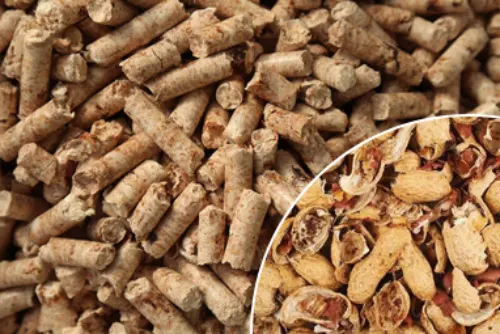
Peanut shells are one of the agricultural residues that can be converted into useful biomass fuel. In regions with significant peanut production, large quantities of shells are generated during processing. If these residues are not properly managed, they may occupy storage space or create disposal challenges.
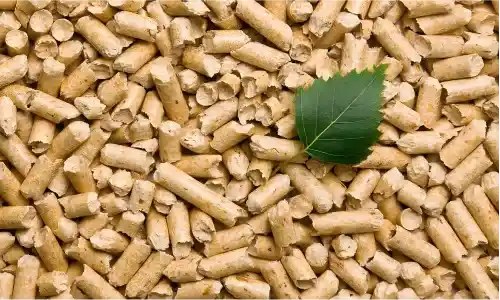
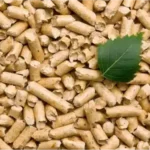
Pelletizing provides one possible way to make better use of this material. By processing peanut shells into dense cylindrical pellets, loose agricultural residues can become easier to transport, store, and use as a solid biofuel.
However, producing consistent biomass pellets requires more than simply placing shells into a pellet machine. Moisture, particle size, raw material cleanliness, compression characteristics, equipment configuration, and storage conditions all influence the final result.
Understanding these factors can help farmers, agricultural processors, and biomass fuel producers determine whether peanut shells are suitable for a pellet production project.
Why Are Peanut Shells Suitable for Biomass Fuel?
Peanut shells contain organic matter and structural components that can contribute to their fuel value. After peanuts are removed from the shells, the remaining material can be collected and processed instead of being discarded.
Their relatively dry nature can make them suitable for mechanical densification, although actual moisture content varies according to harvesting, processing, weather, and storage conditions.
The energy value of the finished pellets depends on the raw material composition and moisture level. Contamination with soil, stones, metal, or excessive foreign material can reduce processing efficiency and affect combustion equipment.
Before pelletizing, therefore, peanut shells should be inspected and cleaned when necessary.
Do Peanut Shells Need to Be Dried?
Moisture is one of the most important variables in biomass pellet production.
If peanut shells contain too much moisture, they may be difficult to grind and compress effectively. Excessive moisture can also produce pellets that are soft or unstable.
On the other hand, material that is excessively dry may not always form pellets efficiently. Some moisture is useful during the densification process because it can influence friction, heat generation, and material binding.
The appropriate moisture range depends on the pellet mill, raw material characteristics, and process conditions. Instead of assuming that every batch has the same moisture level, producers should measure it regularly.
If the shells are already sufficiently dry, additional drying may not be necessary. If they have been exposed to rain or stored under humid conditions, a drying stage may become necessary.
How Should Peanut Shells Be Prepared Before Pelletizing?
Raw material preparation generally includes cleaning, crushing or grinding, and moisture adjustment.
Peanut shells may contain stones, soil, metal fragments, or pieces of other agricultural materials. Removing these contaminants protects downstream equipment.
Grinding is then used to reduce the shell material to a suitable particle size. The exact size depends on the pellet mill and the desired pellet characteristics.
Large pieces can interfere with feeding and compression, while excessively fine grinding can increase energy consumption.
The goal is therefore not to make the material as fine as possible, but to achieve a particle size that allows stable feeding and efficient densification.
How Does Pelletizing Work?
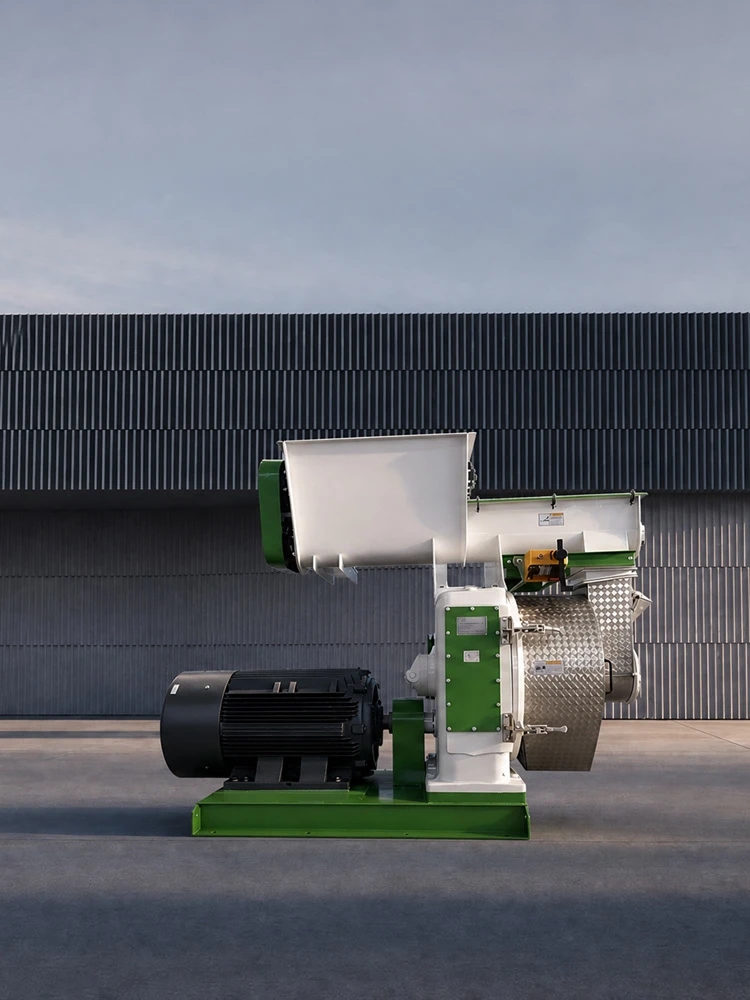
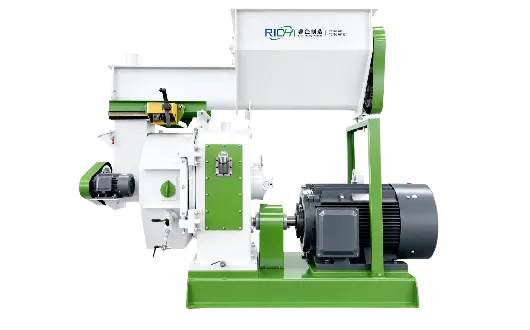
Pelletizing uses mechanical pressure to compress prepared biomass through holes in a die.
As the material enters the compression zone, friction and pressure increase the temperature of the biomass. Under suitable conditions, natural lignin and other components within the biomass can contribute to binding.
The compressed material emerges through the die and is cut into pellets of a defined length.
The exact process depends on the pellet mill design, die specifications, raw material moisture, particle size, and operating conditions.
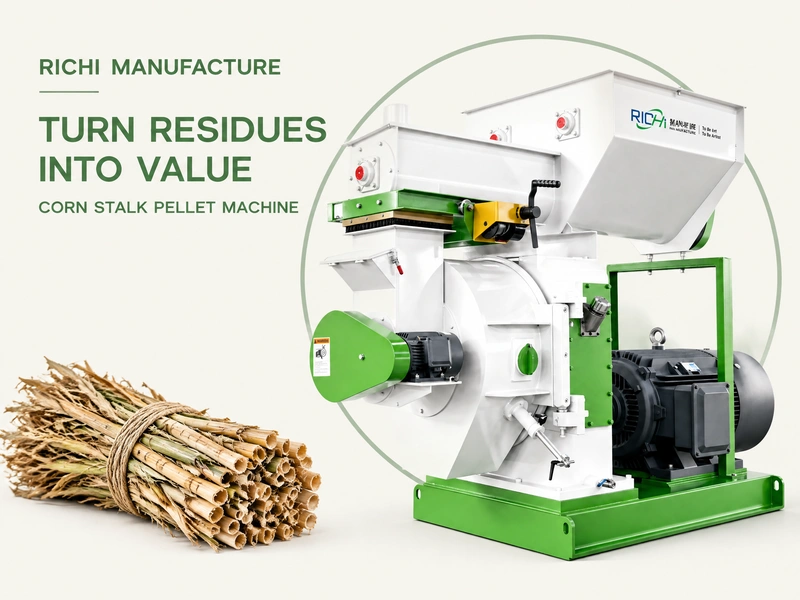
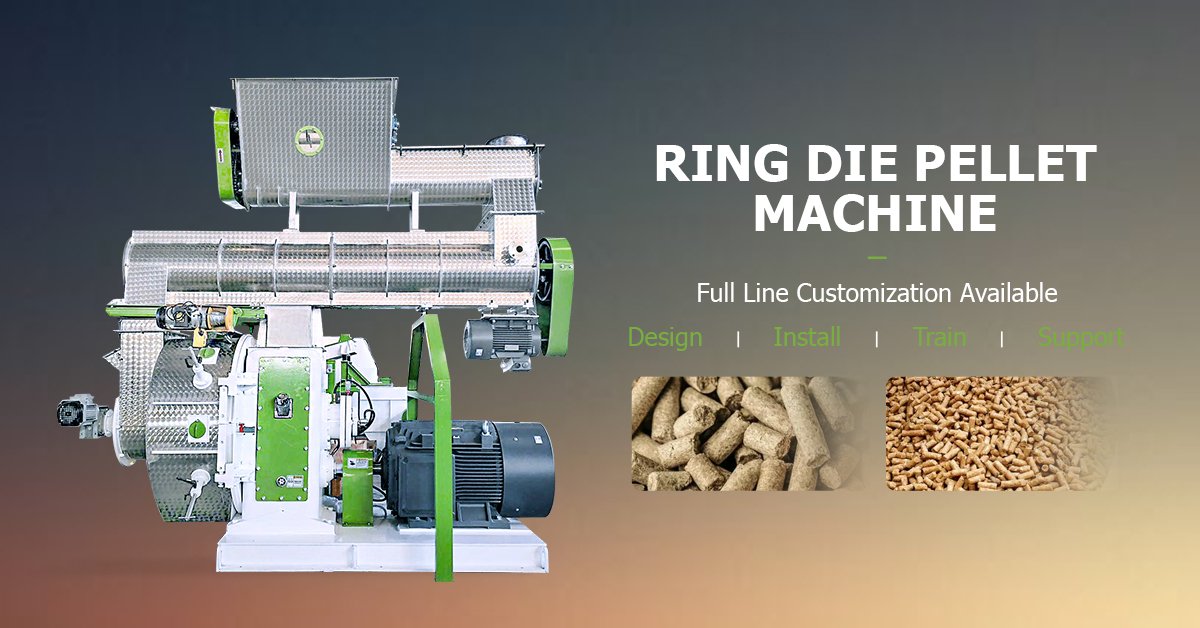
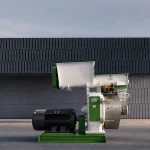
A peanut shell pellet machine is therefore selected not only according to its nominal capacity but also according to the physical characteristics of the shells being processed.
What Pellet Size Is Suitable for Peanut Shell Fuel?
Pellet diameter depends on the intended application.
Industrial boilers may accept different pellet sizes from residential heating systems or small biomass burners.
Common biomass pellets are cylindrical, but the diameter and length can vary.
A larger pellet may be appropriate for certain industrial fuel systems, while smaller pellets may be easier to handle in some automated feeding equipment.
Before choosing the die, producers should understand the requirements of the final combustion system.
Pellet size also affects production efficiency. Different die specifications can influence compression resistance, energy consumption, and output.
Can Peanut Shells Be Mixed With Other Biomass?
Yes. Peanut shells can sometimes be blended with other agricultural residues or woody biomass.
Possible materials include rice husks, sawdust, corn stalks, cotton residues, or other suitable biomass materials.
Blending can help balance different physical characteristics. For example, one material may have higher moisture while another is relatively dry. One may have better binding characteristics while another contributes a different ash or energy profile.
However, blending should not be performed without testing.
Different biomass materials can behave differently during grinding, drying, and pelletizing. The optimal blend ratio depends on the characteristics of each raw material and the intended fuel application.
How Is Peanut Shell Pellet Production Different From Wood Pellet Production?
Wood and agricultural residues are both biomass, but their processing behavior can differ.
Wood pellets are often produced from relatively uniform materials such as sawdust and wood chips. Peanut shells are an agricultural residue with a different structure and mineral composition.
Agricultural residues can also have different ash characteristics. This matters because ash content and ash behavior can influence combustion equipment and maintenance requirements.
The production line should therefore be designed around the actual biomass available rather than assuming that all pellet materials behave like sawdust.
This is also why testing the raw material before final equipment selection can be useful.
What Equipment Is Needed for a Peanut Shell Pellet Line?
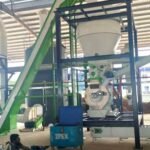
A small biomass pellet system may include:
- Raw material cleaning equipment
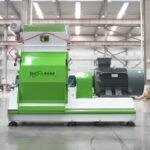
- Crusher or hammer mill
- Dryer, when required
- Conveyor
- Pellet mill
- Cooler
- Screener
- Packaging equipment
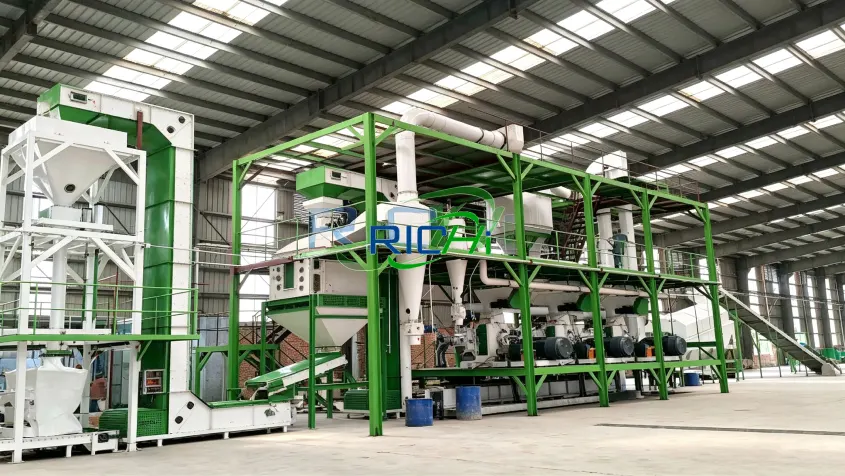
Larger facilities may also require storage silos, automatic feeding systems, dust collection, magnetic separators, and centralized control systems.
The configuration depends on raw material moisture, production capacity, pellet specifications, and the level of automation required.
Not every project needs every machine. If the peanut shells already have suitable moisture and particle size, some preparation stages may be simplified.
How Should Production Capacity Be Determined?
Capacity should be based on the quantity of peanut shells available rather than simply selecting the largest pellet mill.
Suppose a peanut processing facility generates a certain quantity of shells every day. The producer can calculate how much material is available for pelletizing and how many hours the equipment can operate.
Seasonality is also important.
Peanut processing may be concentrated in particular periods of the year. If raw material availability fluctuates significantly, the pellet plant may need sufficient storage capacity to maintain production during periods of lower supply.
The difference between theoretical and actual output should also be considered. Equipment may have a rated capacity, but real output can be affected by moisture, particle size, feeding consistency, maintenance, and downtime.
What Are the Main Factors Affecting Biomass Pellet Output?
There are several factors affecting biomass fuel pellet production line output that should be considered when planning a project.
Raw material moisture is one of the most important. Material that is too wet or too dry can reduce pelletizing efficiency.
Particle size is another factor. Inconsistent particles can lead to unstable feeding and variable pellet quality.
Die specifications also influence output. A die with a different hole diameter or compression ratio can change both production capacity and power consumption.
The operating condition of the pellet mill matters as well. Worn dies, rollers, bearings, and other components can reduce efficiency.
Finally, the capacity of upstream and downstream equipment must match the pellet mill. A high-capacity pellet mill cannot maintain high overall production if the dryer or cooler is undersized.
Does the Pellet Mill Need a Dryer?
A dryer is not always required.
The need for drying depends mainly on the moisture content of the incoming biomass.
If peanut shells are already within a suitable moisture range, mechanical drying may be unnecessary. This can simplify the production process and reduce energy consumption.
However, if the shells have high moisture content, a dryer may be necessary.
Drying capacity should be matched to the pellet mill. An oversized pellet machine combined with an undersized dryer can create a bottleneck.
The dryer should also provide reasonably consistent moisture reduction rather than simply heating the material.
Why Is Cooling Necessary?
Fresh biomass pellets can leave the pellet mill at an elevated temperature.
Cooling helps reduce pellet temperature and stabilize moisture before storage or packaging.
If hot pellets are packed immediately, condensation can occur inside bags or storage containers. This may increase the risk of deterioration.
A counterflow cooler is commonly used in larger pellet production systems, although smaller facilities may use simpler cooling arrangements depending on output.
Cooling should be considered part of the overall production balance. Its capacity needs to correspond with the pellet mill output.
How Much Does a Biomass Pellet Project Cost?
The investment depends on the production capacity and the number of processing stages required.
A small system with dry raw material may require relatively few machines. A larger plant handling wet biomass may require grinding, drying, pelletizing, cooling, screening, packaging, and storage equipment.
Infrastructure also contributes to total investment.
Costs may include:
- Main pelletizing equipment
- Raw material preparation
- Drying
- Cooling
- Conveying
- Electrical systems
- Dust collection
- Workshop construction
- Installation
- Packaging
- Storage
- Maintenance and spare parts
Therefore, machine price alone does not represent the total project investment.
What Can We Learn From Other Biomass Projects?
Different biomass materials have different processing requirements.
For example, rice husk pellet mill cost and investment can provide a useful comparison when evaluating agricultural-residue pellet projects.
Related Post: https://commercialpelletmill.com/rice-husk-pellet-mill/
Rice husk has its own physical and mineral characteristics, so the equipment configuration may differ from a peanut shell project.
The comparison is useful not because the two materials are identical, but because it demonstrates how raw material characteristics influence equipment selection, energy use, and overall project economics.
When evaluating any biomass project, it is better to compare complete process configurations than simply compare the prices of individual pellet machines.
How Can Energy Consumption Be Reduced?
Energy efficiency is an important consideration because grinding, drying, and pelletizing can consume significant amounts of electricity or thermal energy.
The first step is to avoid unnecessary processing.
If the raw material already has suitable moisture, unnecessary drying should be avoided.
Grinding should also be optimized. Excessively fine grinding consumes additional energy without necessarily improving pellet quality.
Proper equipment maintenance is another factor. Worn components can increase mechanical resistance and reduce processing efficiency.
Finally, the entire process should be balanced. Producing pellets at a high rate is not necessarily efficient if excessive fines, overheating, or frequent shutdowns occur.
What Role Does Storage Play?
Biomass storage can strongly influence the reliability of a pellet plant.
Peanut shells should be protected from rain and excessive humidity. Storage areas should also be designed to reduce contamination with soil and other foreign materials.
Large quantities of agricultural residue can present dust and fire risks, so appropriate ventilation, housekeeping, and safety procedures are necessary.
Raw material storage capacity should correspond to the seasonality of supply.
Finished pellets also require dry storage. Exposure to moisture can cause pellets to soften and lose their mechanical integrity.
How Should Finished Pellets Be Packaged?
Packaging depends on how the pellets will be transported and used.
Small bags can be convenient for retail or household applications, while larger bags or bulk transportation may be more suitable for industrial users.
The packaging material should protect the pellets from moisture during transportation and storage.
Before packaging, pellets should be cooled and screened appropriately.
Screening removes excessive fines and helps produce a more consistent final product.
How Can Pellet Quality Be Evaluated?
Several characteristics can be monitored.
Moisture
Appropriate moisture helps maintain storage stability.
Pellet Durability
Pellets should withstand reasonable transportation and handling without producing excessive fines.
Size Consistency
Uniform diameter and length make automated handling easier.
Bulk Density
Density influences transportation, storage volume, and combustion behavior.
Ash Characteristics
Agricultural biomass may contain more mineral components than some woody materials, so ash behavior should be considered when selecting the combustion system.
Laboratory analysis and practical combustion tests can provide more reliable information than visual inspection alone.
How Often Should the Pellet Machine Be Maintained?
Maintenance frequency depends on operating hours, raw material characteristics, and machine design.
The die and rollers should be inspected regularly. Bearings should be lubricated according to the manufacturer’s instructions.
The feeding system should also be checked because unstable feeding can reduce production efficiency.
Grinding equipment requires inspection of hammers and screens.
Conveyors, coolers, and other auxiliary equipment should be included in the maintenance schedule.
Keeping a maintenance log helps operators track component wear and identify recurring problems.
Can a Peanut Shell Pellet Plant Be Automated?
Yes, automation can be introduced at different levels.
A small plant may use manual feeding and simple controls, while a larger facility can use automatic material handling, moisture monitoring, centralized control, and automatic packaging.
Automation can improve production consistency and reduce repetitive manual work.
However, automation also increases system complexity. Sensors, electrical components, and control systems require proper maintenance.
For smaller operations, a semi-automatic system may provide a reasonable balance between investment and operational convenience.
What Should Be Considered When Designing the Workshop?
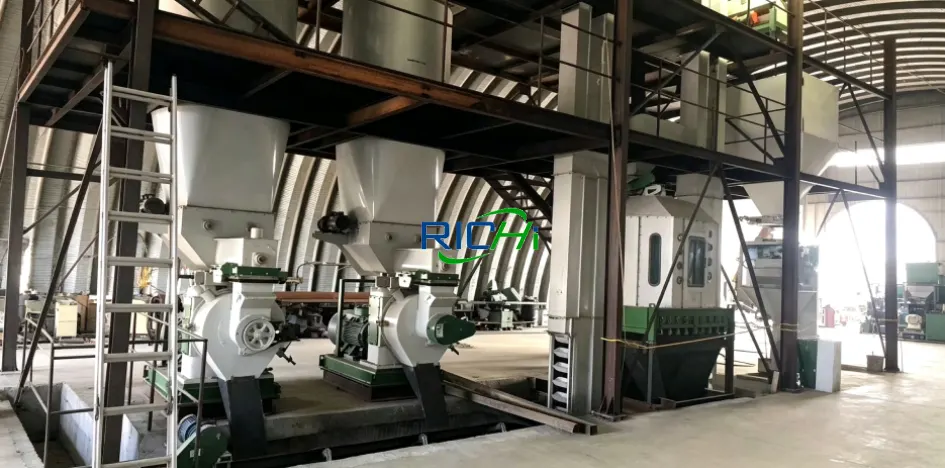
Workshop layout should follow the material flow.
Raw peanut shells should move from receiving and storage to cleaning, grinding, drying if necessary, pelletizing, cooling, screening, and packaging.
Unnecessary back-and-forth movement should be avoided.
There should also be enough space around major equipment for maintenance and inspection.
Dust collection and ventilation deserve particular attention because biomass processing can generate fine particles.
Electrical systems should be designed according to the total installed power and local safety requirements.
How Can a Biomass Pellet Project Be Made More Economical?
One of the most effective approaches is to match equipment capacity to raw material availability.
Oversized equipment can increase initial investment and may operate inefficiently when raw material supply is insufficient.
Another approach is to reduce unnecessary processing. If the material does not require intensive drying or grinding, eliminating those stages can reduce energy consumption.
Equipment should also be selected based on actual production requirements rather than purchasing every available auxiliary system.
A detailed process analysis can reveal where investment provides genuine value and where a simpler configuration may be sufficient.
What Should Buyers Ask Equipment Suppliers?
Before selecting equipment, buyers should provide information about the raw material.
Useful information includes:
- Raw material type
- Daily available quantity
- Moisture content
- Particle size
- Expected pellet diameter
- Target production capacity
- Operating hours
- Final fuel application
- Packaging method
- Workshop conditions
Suppliers can then use this information to develop a more suitable process configuration.
For additional information about biomass processing technologies, raw material preparation, and pellet production systems, discover more here can be used as a natural transition to related technical resources.
What Technical Support Is Useful During Installation?
Installation is more than simply positioning machines.
Equipment needs to be aligned correctly, electrical systems must be connected safely, and conveyors need to match the material flow.
Commissioning should include testing of raw material feeding, grinding, moisture control, pellet formation, cooling, screening, and packaging.
Operators should also learn how to adjust the system when raw material characteristics change.
Technical training can help prevent common operating problems and reduce unnecessary downtime.
Companies such as pellet maker may provide technical information related to biomass pellet equipment, process configuration, installation, and production-line planning.
The actual system should still be designed around the project’s specific raw materials and capacity rather than using a standard configuration for every location.
Can Peanut Shell Pellets Be Used as a Long-Term Fuel?
Peanut shell pellets can be considered as a renewable solid fuel where local regulations and suitable combustion equipment allow their use.
Their practicality depends on fuel quality, ash characteristics, local biomass availability, transportation costs, and the requirements of the boiler or heating system.
For agricultural regions with a stable supply of peanut shells, pelletizing can provide a way to convert an otherwise low-value residue into a more standardized fuel.
However, the economics should be evaluated over the entire supply chain, including collection, transportation, storage, processing, packaging, and final fuel use.
Final Thoughts
Peanut shells can be a useful agricultural residue for biomass pellet production when their moisture, particle size, cleanliness, and supply are suitable.
The production process normally involves raw material preparation, grinding, moisture adjustment, pelletizing, cooling, screening, and packaging. Not every project requires all of these stages, and the appropriate configuration depends on the condition of the raw material.
Capacity planning is particularly important. The pellet mill should be matched with the available quantity of peanut shells, while the dryer, cooler, conveyors, and other auxiliary equipment should be balanced with the main machine.
Investment should also be evaluated as a complete project rather than as a single machine purchase.
Ultimately, a successful biomass pellet project begins with understanding the raw material. Once its physical characteristics, supply volume, moisture content, and intended fuel application are clear, it becomes much easier to determine the appropriate processing technology and production-line configuration.