
Rabbits are one of the most efficient livestock species when it comes to converting feed into meat. They reproduce quickly, require relatively little space, and produce meat with a lower environmental footprint than many other animals. But there’s a catch. Their digestive system is delicate, and the quality of their feed directly affects their health, growth, and reproductive performance.
Feed that works well for chickens or pigs may not work at all for rabbits. The texture, particle size, and physical form of the feed all matter. Rabbits are selective eaters with a unique digestive physiology that demands a careful balance of fiber, protein, and energy. Getting that balance wrong leads to digestive disorders, reduced growth, and higher mortality. Getting it right, however, unlocks exceptional productivity.
The Unique Digestive System of Rabbits
Rabbits are hindgut fermenters. Unlike ruminants, which have a multi-chambered stomach where fermentation occurs before the food reaches the small intestine, rabbits ferment food in the cecum, a large pouch located at the junction of the small and large intestines. This means the fiber they consume must be of the right type and particle size to promote proper fermentation.
The rabbit’s digestive system is designed to process high-fiber diets. The fiber provides bulk that stimulates gut motility and prevents digestive stasis—a common and often fatal condition in rabbits. The cecal fermentation produces volatile fatty acids that serve as an energy source, and it also generates microbial protein that can be absorbed.
Rabbits practice cecotrophy—they eat their own soft fecal pellets, called cecotropes, to capture the nutrients produced by fermentation. This means that a portion of what they consume goes through the digestive system twice. The process is essential for their nutrition, but it also means the initial feed must provide the right balance of fermentable fiber.
The physical form of the feed plays a significant role in how rabbits eat. They prefer feed that’s compressed into small, uniform pellets. Mash feed tends to be wasted, as rabbits sort through it, eating the parts they like and leaving the rest. Pelleted feed ensures that every bite contains the correct nutritional balance.
The Role of Fiber in Rabbit Nutrition
Fiber is the most critical component of rabbit feed. It must be present in sufficient quantity and in the right form to maintain digestive health. The fiber content is typically measured as crude fiber, and for adult rabbits, the target is usually 12% to 15% of the diet.
But the total fiber content doesn’t tell the whole story. The length of the fiber particles matters just as much. Long fiber particles (longer than 0.5 millimeters) stimulate gut motility and prevent the formation of hairballs. Short fiber particles are digested more readily and provide energy.
In pelleted feed, the fiber length is determined by the grinding step. The material is ground before pelleting, and the particle size affects how the fiber functions in the digestive system. For rabbits, the goal is to maintain a mix of fiber lengths that provides both the physical stimulation for gut motility and the fermentable material for cecal production.
The pelleting process itself doesn’t destroy the fiber, but it does change its physical characteristics. The compression and heat can soften the fiber particles. The binding process can make the fiber less able to provide physical stimulation. That’s why the selection of equipment and the adjustment of processing parameters are important in rabbit feed production.
How Pelleting Affects Rabbit Feed Quality
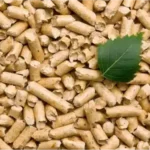
Pelleting rabbit feed is not the same as pelleting feed for other species. The target pellet size is smaller—typically 3 to 5 millimeters in diameter. The compression must be sufficient to produce durable pellets that don’t crumble during handling, but not so high that the pellets become too hard for rabbits to chew.
The quality of rabbit pellets is measured by several criteria. The durability of the pellets should be high enough to withstand transport and storage. The dust content should be low, as dust can cause respiratory issues. The hardness should be moderate—firm enough to hold together but soft enough for rabbits to eat comfortably.
The pelleting process also allows for the inclusion of ingredients that might otherwise be difficult to incorporate into a balanced diet. The compression and binding of the ingredients create a uniform product that delivers consistent nutrition.
Equipment for Rabbit Feed Production
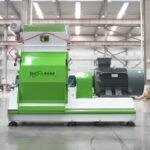
The production of rabbit feed starts with ingredient preparation. The grains and other ingredients must be ground to the appropriate particle size. For rabbits, the particle size should be consistent, but not too fine. Very fine particles can reduce the effectiveness of the fiber.
The mixed ingredients are then conditioned with steam. The conditioning softens the ingredients and prepares them for pelleting. The steam adds moisture, which improves the binding of the particles.
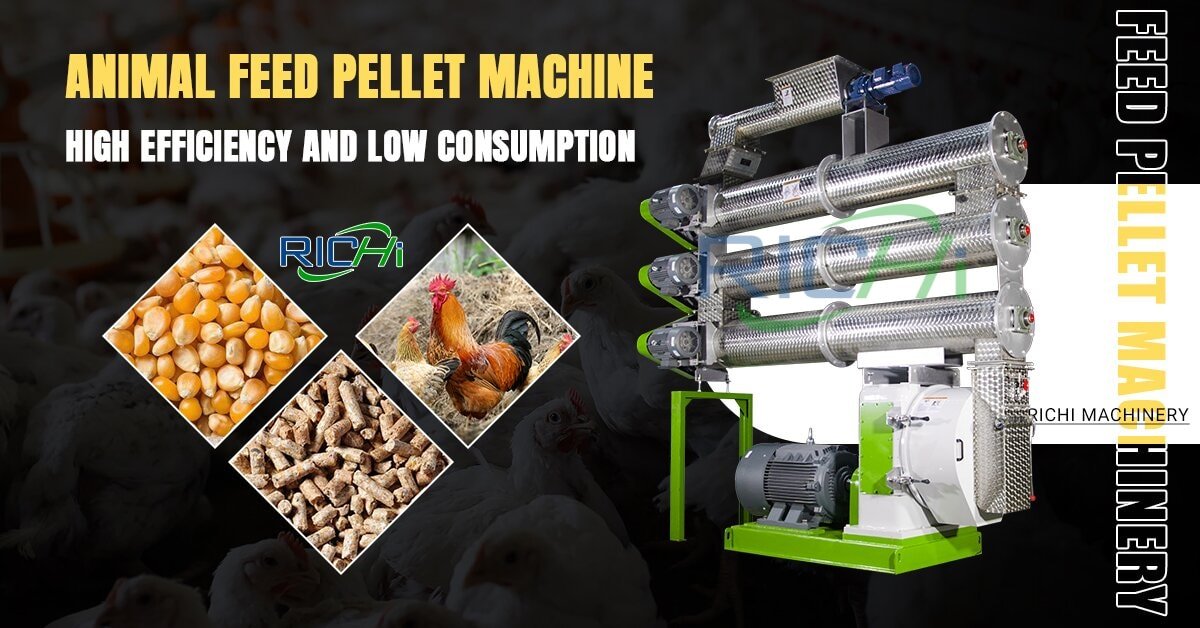
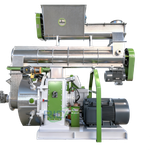
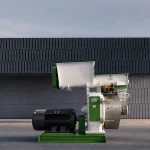
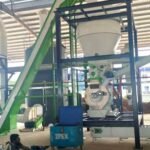
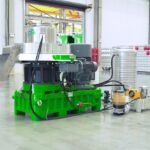
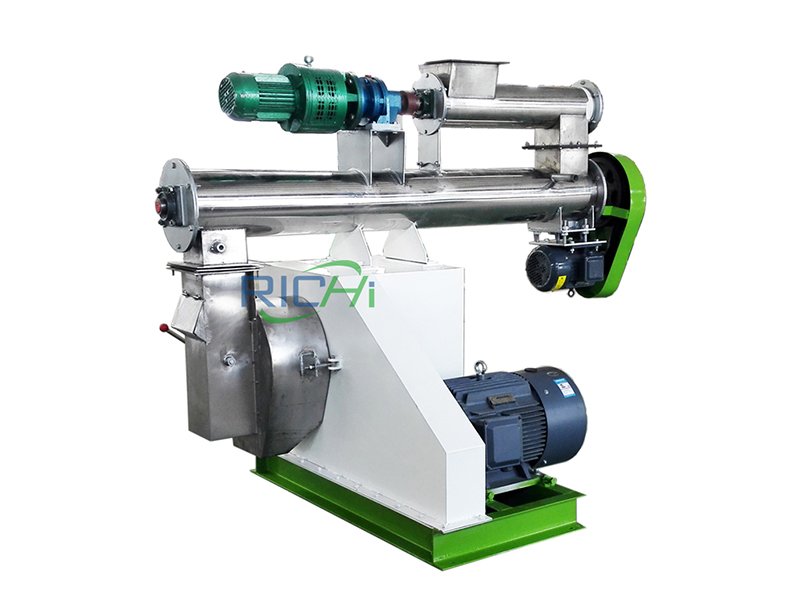
The conditioned material enters the pellet mill. A feed pellet machine for sale on the market can range from small units suitable for a few hundred animals to larger systems for commercial feed production. For rabbit feed, the pellet mill must be configured with the correct die and roller settings.
The die is the component that determines the pellet diameter. For rabbit feed, dies with hole diameters of 3 to 5 millimeters are typical. The die must be made from wear-resistant material, as the abrasive nature of some ingredients can cause wear over time.
The rollers press the material through the die holes. The gap between the rollers and the die must be precisely set. The bearings must be sealed to prevent contamination.
The control system manages the process. In a modern pellet mill, the control system monitors temperature, pressure, and feed rate, adjusting parameters as needed.
The 2-3 T/H Scale
For mid-sized operations, a 2-3 T/H rabbit feed pellet machine for sale is often the right scale. This capacity is suitable for commercial rabbit farms with several thousand breeding does, or for feed mills that serve multiple rabbit operations.
The 2-3 T/H capacity requires equipment that’s built for continuous operation. The components are industrial-grade, with wear-resistant materials in the critical areas. The motor is sized for the load, and the control system includes automation to maintain consistency.
The 2-3 T/H pellet machine is typically a ring-die design. The ring die rotates while rollers press the material through the holes. This design provides high throughput and consistent pellet quality. The conditioning system is integrated, and the cooling system is sized for the capacity.
For a farm or feed mill at this scale, the equipment represents a significant investment. The payback period depends on the volume of feed produced and the cost of purchased feed. For many operations, the savings from producing feed on-site cover the equipment cost within a reasonable period.
The Manufacturer’s Role
The choice of manufacturer is important for the success of a feed production operation. A Richi manufacture of feed pellet equipment has experience with the specific requirements of rabbit feed production. The knowledge of die selection, conditioning parameters, and process optimization is essential for achieving consistent quality.
The relationship with the manufacturer extends beyond the initial purchase. The manufacturer provides installation support, training, and ongoing technical assistance. The availability of spare parts is important, as wear items such as dies and rollers will need to be replaced periodically.
The manufacturer’s quality control during production is also important. The equipment must be built to specified tolerances, with materials selected for the specific application. The testing and commissioning process should ensure that the equipment performs as expected.
Practical Considerations for Rabbit Feed Production
For rabbit farmers considering on-site feed production, several practical factors should be evaluated. The availability and cost of ingredients are key. The storage capacity for ingredients and finished feed must be adequate.
The labor requirements for feed production should be estimated. The operation of a pellet mill requires attention to detail and regular monitoring. The labor cost should be included in the economic analysis.
The quality control process is essential. The feed should be tested regularly for moisture content, pellet durability, and nutritional composition. The equipment settings should be adjusted based on the test results.
The maintenance schedule should be established. The die and rollers will require periodic replacement. The bearings should be lubricated according to the manufacturer’s recommendations. The control system should be checked regularly.
The Economics of On-Site Feed Production
On-site feed production can be cost-effective for rabbit operations. The primary benefit is the reduced cost of feed. By buying ingredients in bulk and processing them on-site, the producer avoids the markup charged by commercial feed mills.
The savings depend on the volume of feed produced and the difference between the cost of ingredients and the cost of purchased feed. For a mid-sized operation, the savings can be significant.
The equipment investment should be considered in the economic analysis. The payback period for a pellet mill is typically two to three years for a well-sized operation. The savings continue for the life of the equipment.
A Practical Path Forward
Producing rabbit feed on-site is a practical option for many operations. The technology is mature, the equipment is available, and the benefits are clear. Consistent feed quality, lower costs, and better control over ingredient sourcing are all achievable.
For rabbit producers looking to improve their operations, the investment in feed production equipment is worth consideration. The equipment is available at the scale needed, and the expertise to operate it is accessible. With the right approach, on-site feed production can support a more efficient and profitable rabbit operation.