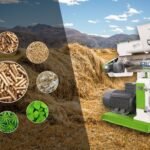

Straw pellet production has become an increasingly important part of the global transition toward renewable and sustainable energy. As the world faces rising energy demands, climate change pressures, and the need to reduce dependence on fossil fuels, biomass energy has emerged as a practical and scalable alternative. Among various biomass resources, agricultural residues such as straw, wheat stalks, rice husks, and corn residues are particularly valuable because they are widely available, renewable, and often underutilized.
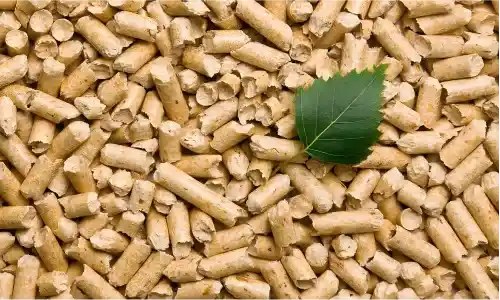
Straw pellets—produced by compressing agricultural waste into dense, uniform fuel or feed pellets—play a significant role in improving energy efficiency and reducing environmental impact. With modern equipment such as the corn stalk pellet machine, farmers and biomass processors can convert crop residues into high-quality pellets suitable for heating, electricity generation, and industrial fuel applications.
This article explores in detail how straw pellet production supports sustainable energy use, including raw material utilization, production technology, environmental benefits, economic advantages, and future development trends.
1. Understanding Straw Pellet Production
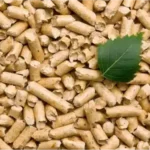
Straw pellet production is the process of converting agricultural residues into compact cylindrical pellets through mechanical compression and heat treatment.
Common raw materials include:
- Wheat straw
- Rice straw
- Corn stalks
- Soybean stalks
- Cotton stalks
- Mixed agricultural residues
These materials are abundant in agricultural regions and are often burned or discarded if not processed.
1.1 Why Straw Pellets Are Important
Straw pellets serve multiple purposes:
- Renewable fuel source
- Industrial biomass energy
- Animal bedding material
- Low-cost heating fuel
Their versatility makes them valuable in both energy and agricultural industries.
2. The Role of Agricultural Waste in Energy Production
Agricultural waste is one of the largest underutilized biomass resources in the world.
2.1 Problems with Traditional Disposal Methods
Historically, straw and crop residues were:
- Burned in fields
- Left to decompose
- Discarded as waste
These methods lead to:
- Air pollution
- Greenhouse gas emissions
- Waste of valuable biomass resources
2.2 Turning Waste into Energy
Straw pellet production transforms waste into:
- Clean fuel
- Usable energy source
- Commercial biomass product
This conversion is key to sustainable energy development.
3. Corn Stalk Pellet Machine and Its Role in Biomass Energy
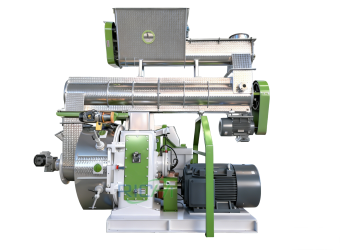
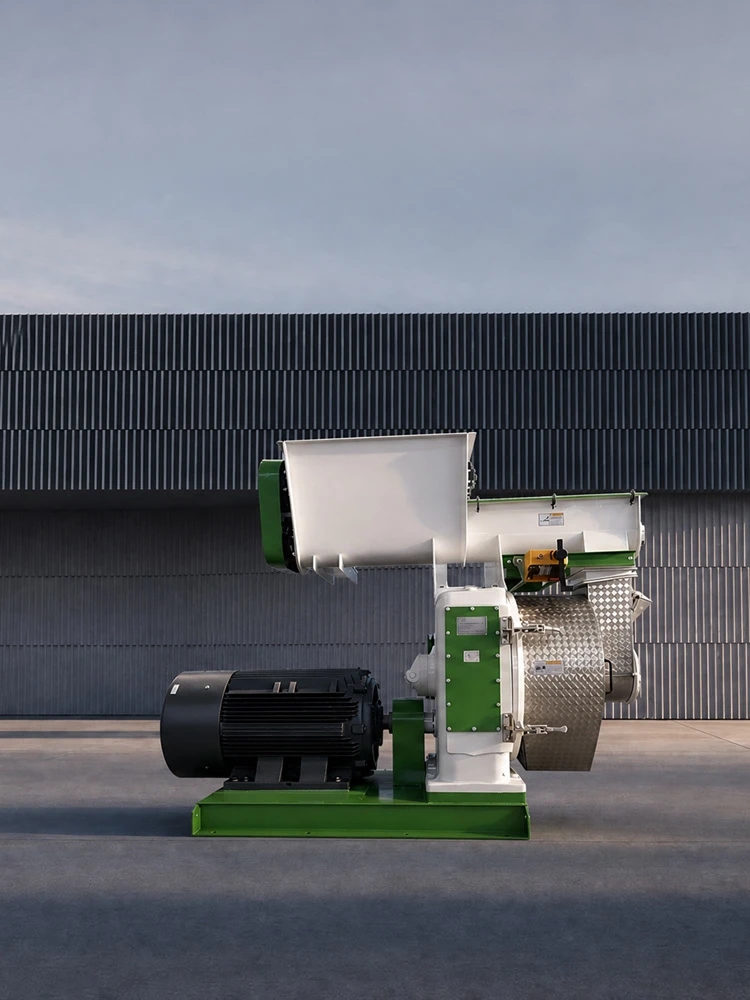
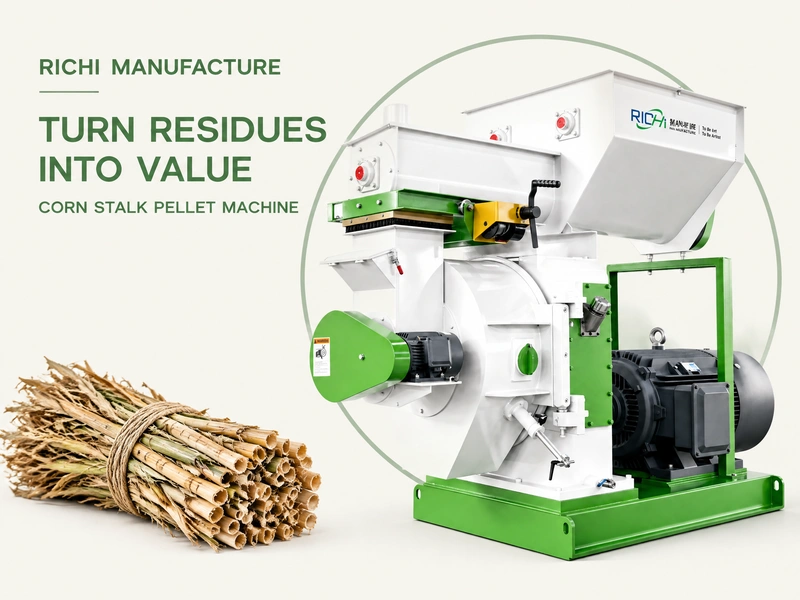
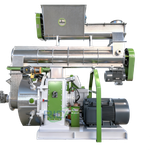
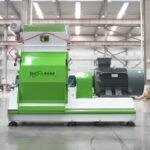
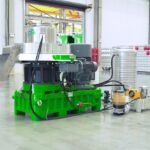
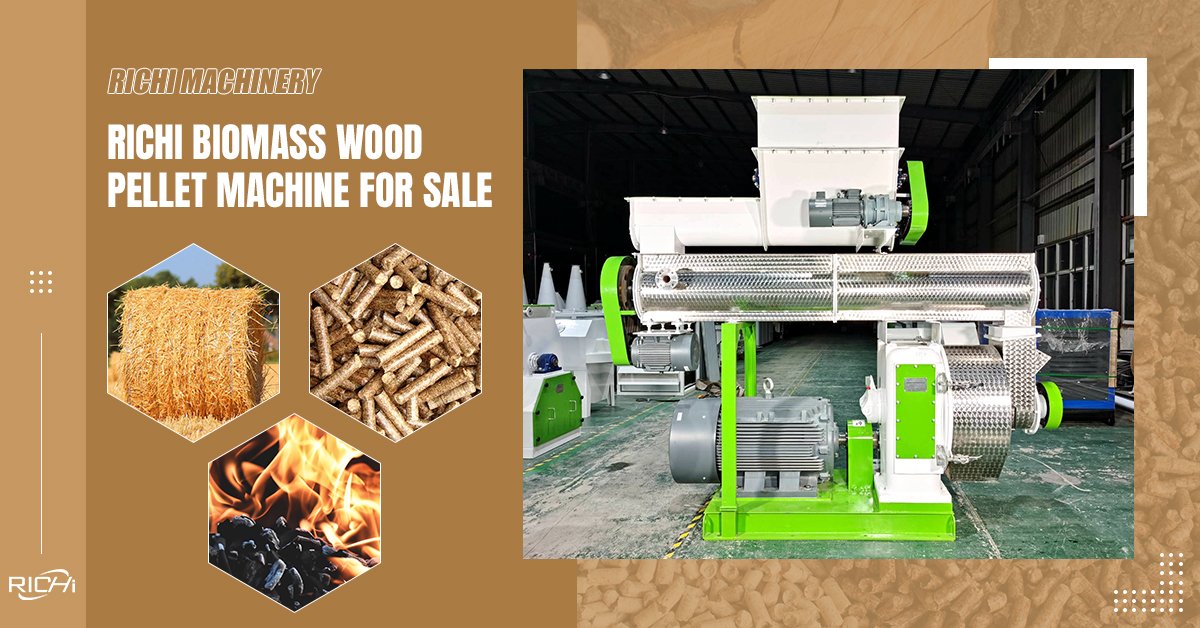
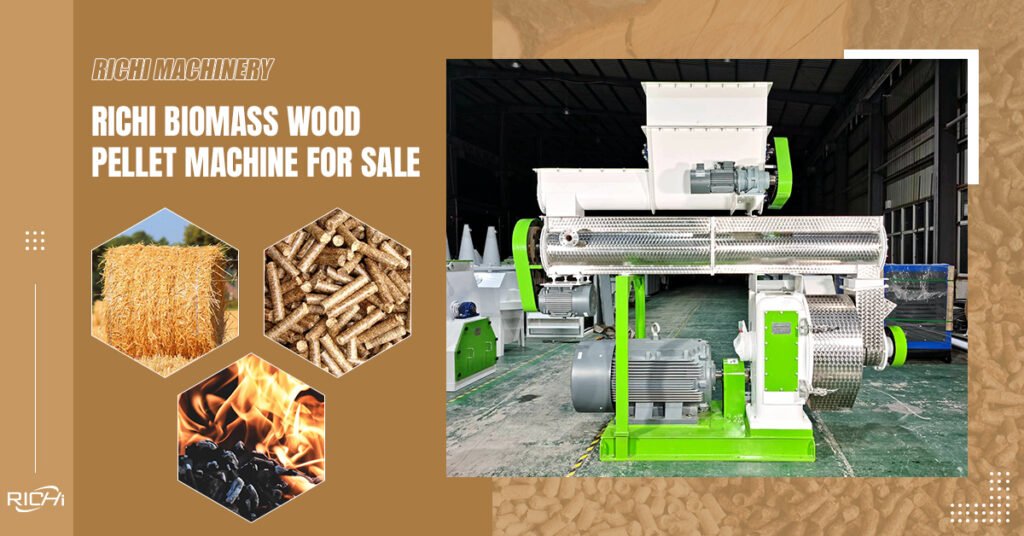
The corn stalk pellet machine is one of the most important pieces of equipment in straw pellet production.
3.1 Why Corn Stalks Are Valuable
Corn stalks are:
- Widely available in agricultural regions
- Rich in cellulose and lignin
- Suitable for combustion and energy production
3.2 Function of Corn Stalk Pellet Machine
This machine processes raw corn stalks by:
- Crushing dried stalks
- Compressing biomass under high pressure
- Forming dense, uniform pellets
3.3 Importance in Energy Production
The corn stalk pellet machine enables:
- Efficient utilization of agricultural waste
- Conversion of low-value residues into high-value fuel
- Stable pellet quality for combustion systems
3.4 Energy Efficiency Benefits
Pellets produced from corn stalks:
- Burn more efficiently than raw biomass
- Produce higher energy output per unit volume
- Reduce transportation costs due to compact size
https://pelletisingmachine.com/corn-stalk-pellet-machine
4. Energy Advantages of Straw Pellets
Straw pellets are an effective renewable energy source.
4.1 High Energy Density
Compared to raw straw:
- Pellets are more compact
- Contain higher energy per volume
- Burn more consistently
4.2 Efficient Combustion
Straw pellets burn:
- Cleanly
- With lower emissions
- With stable heat output
4.3 Reduced Moisture Content
Pelletization reduces moisture, improving:
- Combustion efficiency
- Storage stability
- Energy output
5. Environmental Benefits of Straw Pellet Production
Straw pellet production significantly contributes to environmental protection.
5.1 Reduction of Open Burning
Instead of burning crop residues in fields:
- Straw is collected
- Processed into pellets
- Used as energy
This reduces air pollution dramatically.
5.2 Lower Greenhouse Gas Emissions
Using straw pellets reduces:
- Carbon dioxide emissions compared to coal
- Methane emissions from decomposition
- Particulate pollution from burning
5.3 Waste Utilization
Agricultural residues are converted into:
- Useful energy products
- Marketable materials
- Renewable resources
6. Role of Straw Pellet Production in Renewable Energy Systems
Straw pellets are an important part of biomass energy systems.
6.1 Applications
- Industrial boilers
- Power generation plants
- Residential heating systems
- Commercial energy facilities
6.2 Integration with Energy Infrastructure
Straw pellets can replace:
- Coal
- Oil-based fuels
- Natural gas (partially)
7. Economic Benefits of Straw Pellet Production
Straw pellet production is not only environmentally friendly but also economically valuable.(Learn more about efficient straw pellet mill)
7.1 Value Addition
Agricultural waste is transformed into:
- Marketable energy products
- Industrial fuel sources
- Export commodities
7.2 Cost Efficiency
Using machines like the corn stalk pellet machine helps reduce:
- Raw material costs (waste is cheap or free)
- Energy production costs
- Transportation costs
7.3 Rural Economic Development
Straw pellet production supports:
- Farmers’ income growth
- Local employment
- Rural industrial development
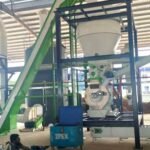
8. Production Process of Straw Pellets
The production process involves several key steps.
8.1 Raw Material Collection
- Harvesting agricultural residues
- Drying and cleaning materials
8.2 Crushing and Grinding
- Reducing particle size
- Improving material uniformity
8.3 Pelletizing with Corn Stalk Pellet Machine
- Compression under high pressure
- Formation of dense pellets
- Cutting into uniform sizes
8.4 Cooling and Packaging
- Stabilizing pellet structure
- Preparing for storage or transport
9. Importance of Corn Stalk Pellet Machine in Production Efficiency
The corn stalk pellet machine is essential for efficient biomass processing.(click over here now)
9.1 Efficiency Advantages
- High production capacity
- Continuous operation
- Stable output quality
9.2 Cost Reduction Benefits
- Lower labor requirements
- Efficient energy use
- Reduced waste
9.3 Impact on Scalability
Allows businesses to:
- Expand production easily
- Serve larger markets
- Improve profitability
10. Challenges in Straw Pellet Production
Despite its benefits, the industry faces challenges.
10.1 Raw Material Variability
- Different moisture levels
- Seasonal availability
10.2 Equipment Wear and Maintenance
- High-pressure processing causes wear
- Regular maintenance required
10.3 Energy Consumption
- Pelletizing requires electricity
- Optimization needed for cost control
11. Solutions for Improving Efficiency
11.1 Better Preprocessing
- Proper drying
- Consistent particle size
11.2 Advanced Machinery
Using efficient equipment such as:
- corn stalk pellet machine
- modern biomass pellet systems
11.3 Automation
- Reduces labor costs
- Improves consistency
12. Global Market Trends for Straw Pellets
The global demand for biomass energy is increasing.
12.1 Key Markets
- Europe
- North America
- Asia-Pacific
12.2 Driving Factors
- Renewable energy policies
- Carbon reduction goals
- Energy diversification strategies
13. Future Development of Straw Pellet Industry
The future of straw pellet production is promising.
13.1 Technological Innovations
- AI-controlled pellet systems
- Smart biomass processing
- Energy-efficient machinery
13.2 Expansion of Biomass Energy Use
Straw pellets will increasingly replace fossil fuels in:
- Heating systems
- Industrial energy
- Power generation
Conclusion
Straw pellet production plays a vital role in supporting sustainable energy use by transforming agricultural waste into valuable renewable fuel. It reduces environmental pollution, improves energy efficiency, and creates economic opportunities for farmers and rural industries.
The corn stalk pellet mill is a key technology in this process, enabling efficient conversion of agricultural residues into high-quality biomass pellets suitable for energy applications. Its role in improving production efficiency, reducing costs, and supporting large-scale manufacturing makes it indispensable in modern biomass energy systems.
As the world continues to move toward cleaner and more sustainable energy sources, straw pellet production will remain a crucial component of the global renewable energy landscape, offering both environmental and economic benefits for the future.