
If you run a palm oil mill, you know the scene. The fresh fruit bunches come in by the truckload. The fruit is stripped, the oil is extracted, and what remains is a mountain of empty fruit bunches—EFB. They pile up in the yard. They get pushed to the back of the property. Some are returned to the plantation as mulch. Some are burned. Some just sit there, taking up space, creating a fire hazard, and slowly decomposing into a mess that nobody wants to deal with.
For years, that was just the cost of doing business in the palm oil industry. EFB was a byproduct with no real value. It was too wet to burn efficiently, too bulky to transport economically, and too inconsistent to sell. The only options were disposal or neglect. But that is changing. Across the palm oil producing world, mill operators are discovering that EFB is not a liability. It is an asset. And the equipment that unlocks that asset is the efb pellet mill.
Why EFB Is Not Like Other Biomass
EFB is not sawdust. It is not straw. It is not rice husks. It has its own unique characteristics, and those characteristics make it difficult to process with standard equipment.
First, it is wet. Fresh EFB contains 60% to 70% moisture. That is far too wet for pelleting or burning. It must be dried, and drying is energy-intensive. Second, it is fibrous. The individual strands are long and stringy. They wrap around rotating parts, clog feeding mechanisms, and bridge in hoppers. Third, it is abrasive. EFB contains silica, which wears down dies, rollers, and bearings. Fourth, it is variable. The quality and moisture content change from load to load, from season to season, and from one mill to another.
These characteristics have historically kept EFB from being widely used as a fuel or a product. The equipment needed to handle it was expensive and specialized. The processing costs were high. The market was uncertain. But as the demand for renewable energy has grown, and as technology has improved, the economics have shifted. EFB pelleting is now a viable business for many mills.
What an EFB Pellet Mill Actually Does
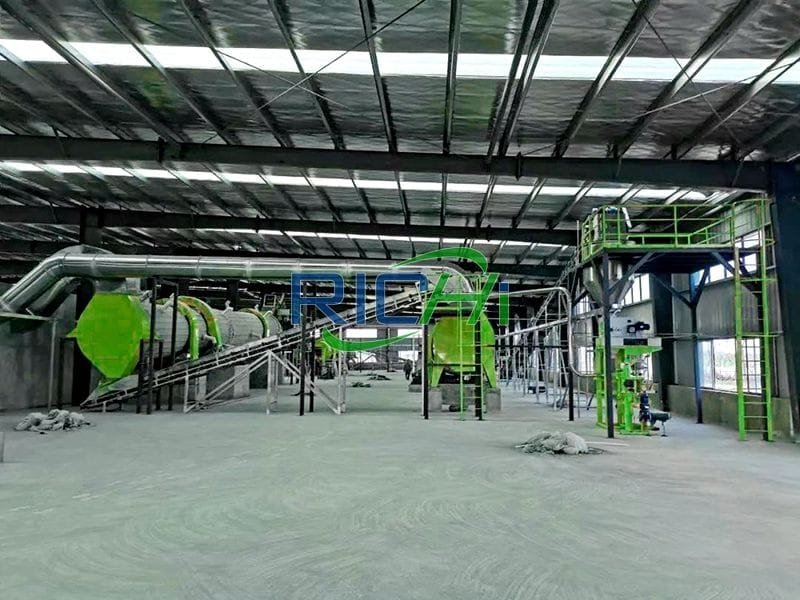
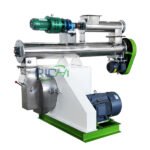
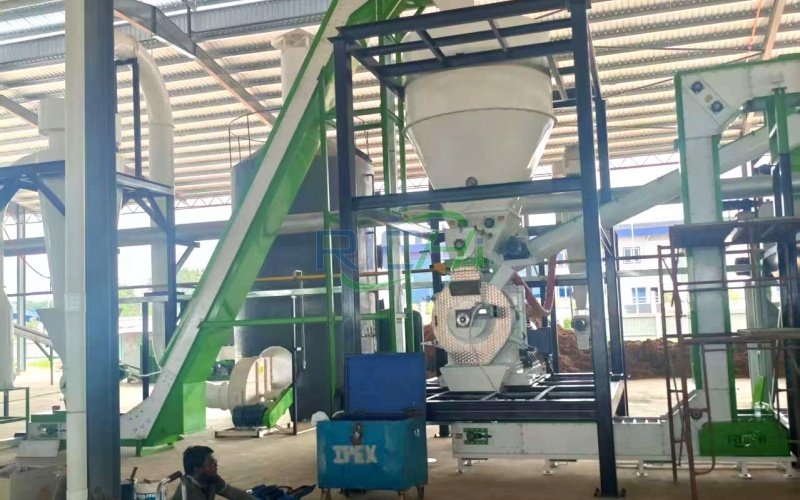
An efb pellet mill is not a single machine. It is the core of a system that prepares EFB, dries it, grinds it, conditions it, and presses it into pellets. Each stage is important. Each stage has its own challenges.
The first step is size reduction. EFB arrives as long, fibrous strands. It must be shredded or chopped into smaller pieces before it can be dried or ground. A hammer mill or a shredder is used for this. The goal is to reduce the material to a size that can be handled by the downstream equipment.
The second step is drying. The moisture content must be reduced from 60% to 70% down to around 12% to 15%. This is typically done with a rotary dryer. The heat source can be biomass, natural gas, or waste heat from the mill. Drying is the most energy-intensive part of the process. It is also the most important. If the material is too wet, it will not pelletize properly. If it is too dry, it may not bind well.
The third step is grinding. The dried EFB is ground to a consistent particle size, usually 3 to 5 millimeters. This ensures that the pellets are uniform and that the die can compress the material evenly.
The fourth step is conditioning. Steam is added to the ground material to soften the fibers and activate the natural lignin. Lignin is the binder that holds the pellet together. Without proper conditioning, the pellets will be weak and crumbly.
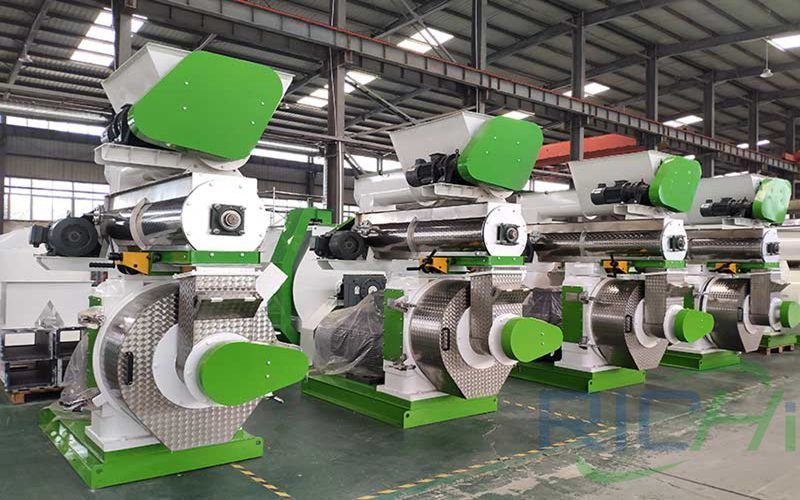
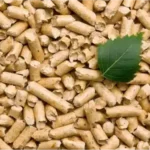
The fifth step is pelleting. The conditioned material is fed into the pellet mill, where rollers press it through a die. The friction generates heat, which melts the lignin and binds the particles into a dense, durable pellet. The pellets are then cooled and screened to remove fines.
The Case for Automation
EFB pelleting is a demanding process. The material is variable, abrasive, and difficult to handle. Manual operation is possible, but it requires constant attention and adjustment. The operator must monitor moisture content, feed rate, die temperature, and pellet quality. Small changes in any of these variables can affect the final product. For a mill that runs several shifts per day, the labor cost and the inconsistency can be significant.
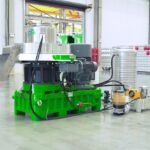
An automatic biomass pellet machine addresses these issues. It uses sensors and controls to monitor the process and adjust parameters in real time. The feed rate is controlled automatically. The moisture content is measured and corrected. The die temperature is maintained within a narrow range. The result is more consistent pellets, lower labor costs, and higher throughput.
Automation also improves safety. The machine can detect abnormal conditions—such as a sudden drop in feed, a rise in temperature, or a blockage—and shut down before damage occurs. This reduces downtime and extends the life of the equipment. For EFB, automation is particularly valuable because the material is so variable. The system can compensate for changes in moisture, particle size, and composition without constant operator intervention.
Why the Manufacturer Matters
Not every pellet mill is suitable for EFB. The material is abrasive, so the die and rollers must be made from wear-resistant alloys. The feeding system must handle fibrous, stringy material without wrapping or bridging. The drive system must provide enough torque to compress the material without stalling. The cooling and screening systems must be sized for the throughput.
RICHI pellet mill has been building biomass processing equipment for decades. They have worked with palm oil mills in Southeast Asia and other regions. They understand the challenges of EFB. They know that it is not the same as wood or straw. They have designed their equipment to handle the specific demands of this material.
Their pellet mills use hardened dies and precision rollers. The feeding systems are engineered for fibrous materials. The control systems are user-friendly and reliable. They also provide support—installation, training, spare parts, and technical assistance—to help operators get the most from their equipment.
The Economics of EFB Pelleting
The economics depend on several factors. The cost of the raw material is usually low—EFB is a byproduct that many mills pay to dispose of. The cost of energy is significant, especially for drying. The cost of labor depends on the level of automation. The cost of maintenance depends on the abrasiveness of the material and the quality of the equipment.
On the revenue side, EFB pellets can be sold as fuel, as bedding, or as a soil amendment. The fuel market is the largest. EFB pellets have a calorific value of about 15 to 17 megajoules per kilogram, comparable to wood pellets. They can be burned in biomass boilers, power plants, and industrial furnaces. In some regions, they qualify for renewable energy subsidies, which improves the economics.
The payback period for an EFB pellet mill depends on the scale and the market. For a mill that produces its own fuel, the savings on energy costs can pay back the investment in a few years. For a commercial pellet plant, the payback depends on the selling price and the utilization rate. In many cases, the payback is three to five years.
What to Look For
If you are considering an EFB pellet mill, there are several things to check. First, the die material. It must be wear-resistant. Second, the feeding system. It must handle fibrous material without clogging. Third, the conditioning system. It must deliver enough steam to soften the fibers. Fourth, the motor and drive. They must be sized for the load. Fifth, the control system. It should be easy to operate and maintain.
It also helps to visit an installation. See the equipment in operation. Talk to the operators. Watch how the material flows through the line. Ask about maintenance and downtime. A firsthand look will tell you more than any brochure.
For more detailed information on EFB pellet mills, automation options, and supplier comparisons, click here to read the resources that can help you make an informed decision. The opportunity is real. The technology is proven. The market is waiting.