Introduction to Wood Pellet Mill Machines
A wood pellet mill machine is a specialized mechanical system designed to convert wood-based biomass materials into compact, energy-dense pellets through compression and extrusion. These machines form the core of modern biomass pellet plants and play a vital role in renewable energy production, waste utilization, and sustainable industrial development.
Unlike small household pellet presses, a wood pellet mill machine for sale is typically engineered for continuous operation, stable output, and long service life. It integrates mechanical force, frictional heat, and material conditioning to produce standardized pellets that meet international quality requirements.
As global interest in renewable fuels and circular economies continues to grow, wood pellet mill machines have become essential infrastructure across forestry, energy, and manufacturing sectors.
Historical Development of Wood Pellet Milling Technology
The origins of pellet milling technology can be traced back to early feed processing equipment used in agriculture. During the mid-20th century, similar principles were adapted for wood waste densification to address rising disposal costs in sawmills.
The oil crises of the 1970s accelerated research into alternative fuels, prompting advancements in pellet mill design. Early machines were limited by low output and frequent wear, but continuous improvements in metallurgy, die machining, and drive systems transformed pellet mills into reliable industrial equipment.
Today’s wood pellet mill machines reflect decades of engineering refinement and are capable of producing thousands of tons of pellets annually with consistent quality.
What Is a Wood Pellet Mill Machine?
A wood pellet mill machine is a mechanical device that compresses prepared wood biomass into uniform pellets by forcing material through precision-drilled die holes under high pressure.
Key Structural Components
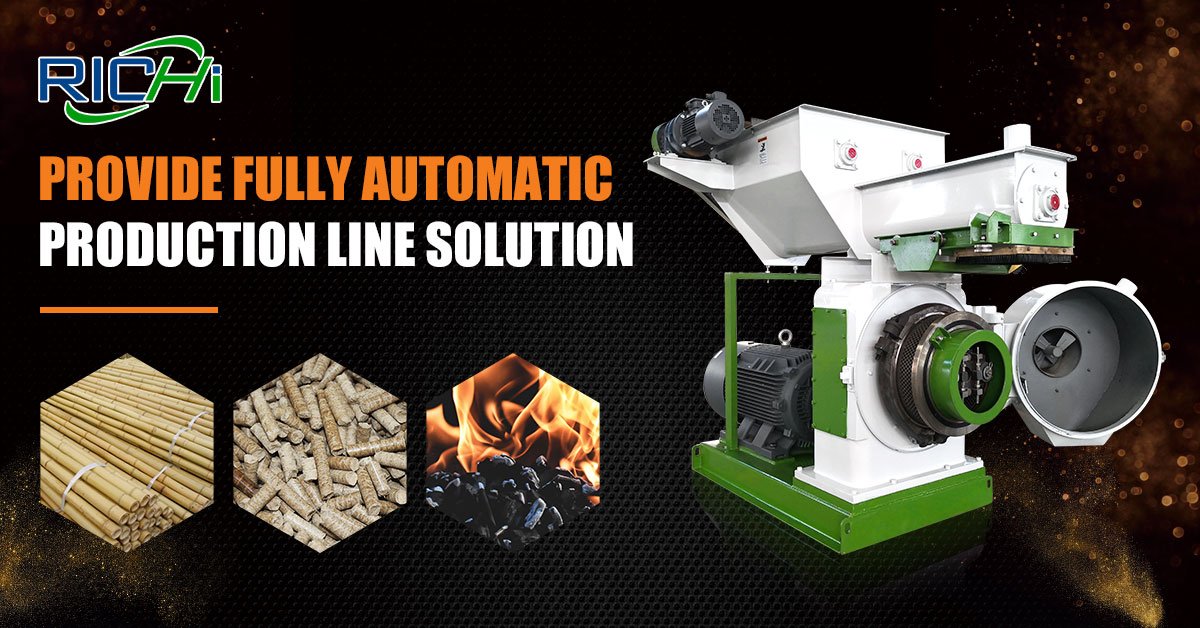
A typical wood pellet mill machine includes:
Raw material feeding system
Pelletizing chamber with ring die or flat die
Compression rollers
Main drive motor and transmission
Automatic lubrication system
Pellet discharge and cutting assembly
The synergy of these components enables efficient pellet formation without chemical binders, relying instead on the natural binding properties of lignin in wood.
Raw Materials Used in Wood Pellet Milling
Wood pellet mill machines are designed to process a wide range of lignocellulosic materials. Common raw materials include:
Sawdust from hardwood and softwood processing
Wood shavings from furniture and panel manufacturing
Wood chips after fine grinding
Forestry residues such as branches and thinnings
Material consistency is critical. Particle size must be uniform, and moisture content is typically controlled between 10% and 15% to ensure optimal pellet strength and machine performance.
The Wood Pellet Milling Process Explained
Material Preparation Stage
Raw wood materials undergo crushing, drying, and screening before entering the pellet mill. Proper preparation prevents blockages, reduces wear, and improves pellet durability. https://richipelletizer.com/wood-pellet-mill-price/
Pellet Formation Stage
Inside the pelletizing chamber, rollers press the biomass against the die surface. As material passes through the die holes, friction generates heat, activating lignin and forming dense cylindrical pellets.
Cooling and Hardening Stage
Fresh pellets exit the wood pellet mill machine at elevated temperatures and must be cooled to stabilize their structure. Cooling improves mechanical strength and reduces moisture reabsorption.
Types of Wood Pellet Mill Machines
Wood pellet mill machines are primarily classified by die structure and production scale.
Ring Die Pellet Mill Machines
Ring die machines dominate commercial pellet production due to their:
High throughput capacity
Continuous operation capability
Uniform pellet density
Lower operating vibration
Many industrial pellet plants rely on ring die systems supplied by manufacturers such as RICHI, which focus on durability and energy efficiency.
Flat Die Pellet Mill Machines
Flat die machines are generally used for small-scale production or research purposes. They are simpler in design but less suitable for high-capacity, long-term operation.
Industrial Applications of Wood Pellet Mill Machines
Wood pellets produced by pellet mill machines serve multiple sectors:
Renewable Energy: Fuel for biomass power plants and heating systems
Residential Heating: Used in pellet stoves and boilers
Animal Bedding: Absorbent bedding material for livestock and poultry
Industrial Fuel: Partial replacement for coal in industrial furnaces
The versatility of pellet applications drives sustained demand for wood pellet mill machines worldwide.
Global Market Overview and Trade Significance
The global pellet industry has expanded rapidly, especially in regions with strong environmental policies. Europe and North America remain major consumers, while Asia and South America are emerging production centers.
Wood pellet mill machines play a crucial role in international pellet trade, as pellet size, density, and durability must meet strict import standards. Machine precision directly influences product acceptance in export markets. From this source
Performance Factors Affecting Pellet Mill Efficiency
Several technical variables determine the effectiveness of a wood pellet mill machine:
Die hole diameter and compression ratio
Roller material and surface finish
Motor power and torque stability
Lubrication system reliability
Raw material consistency
Advanced manufacturers such as RICHI Pellet Machine integrate hardened alloy dies and optimized roller geometry to enhance output stability and reduce maintenance frequency.
Maintenance and Operational Management
Routine maintenance is essential for long-term pellet mill performance. Operators must regularly inspect dies, rollers, bearings, and lubrication systems.
Preventive maintenance programs help reduce downtime and protect high-value components. Proper training ensures operators can identify early warning signs such as abnormal vibration or pellet quality changes.
Environmental Benefits of Pellet Milling Technology
Wood pellet mill machines support environmental sustainability by converting waste biomass into renewable energy products. When responsibly sourced, wood pellets offer lower net carbon emissions compared to fossil fuels.
Pellet milling also reduces landfill waste and improves resource efficiency within forestry and wood processing industries, contributing to broader circular economy goals.
Economic Impact of Wood Pellet Mill Machines
From an economic perspective, pellet mill machines enable value creation from low-cost raw materials. Sawmills and forestry operations can monetize by-products that would otherwise generate disposal costs.
In many regions, pellet plants support local employment, stimulate rural economies, and strengthen energy independence.
Technological Trends in Pellet Mill Machine Design
Modern wood pellet mill machines increasingly incorporate:
Energy-efficient drive motors
Automated lubrication systems
Intelligent monitoring and control platforms
Improved noise and vibration reduction
Enhanced die manufacturing precision
These innovations reflect a broader shift toward smart manufacturing and digitalization in biomass processing industries.
Selecting a Wood Pellet Mill Machine
Choosing a suitable wood pellet mill machine requires careful evaluation of production goals, raw material availability, and operational conditions. Buyers should consider capacity requirements, energy consumption, spare parts availability, and technical support.
Established suppliers such as RICHI often provide system-level solutions, integrating pellet mills into complete production lines for optimized performance.
Conclusion
A wood pellet mill machine is a cornerstone of modern biomass processing technology. By transforming wood waste into standardized pellets, these machines support renewable energy generation, waste reduction, and sustainable industrial growth.
As global demand for clean energy and efficient resource utilization increases, wood pellet mill machines will continue to evolve, offering higher efficiency, improved automation, and broader application potential across industries. Wood pellet mill canada